7 Tips for Choosing the Best Commercial Floor Cleaner

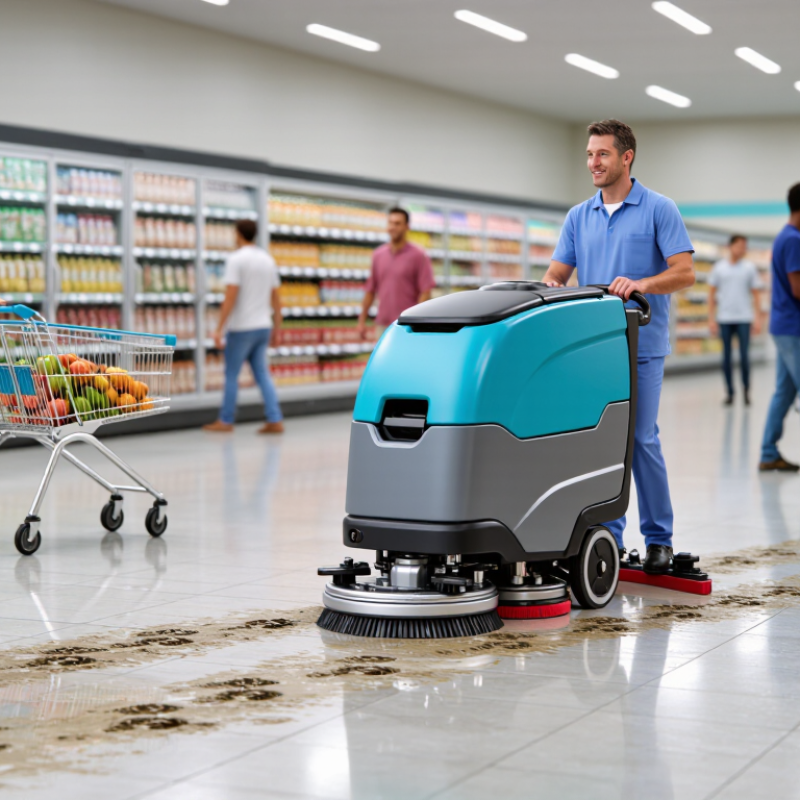
A commercial floor cleaner can make a busy facility safer and easier to maintain, but the wrong choice can waste time and leave soil behind. Picture a grocery aisle after a rainy morning: muddy shoe marks, damp tile, and customers moving through the same space. The machine must clean effectively without creating a slippery trail or disrupting traffic.

Dr. Michael Berry, an indoor environmental quality expert and author on cleaning for health, offers a useful perspective. A fair summary of his approach is: “Choose cleaning methods that protect the surface, the occupants, and the people doing the work.” This is a paraphrase, not a verbatim quotation. That distinction matters; trustworthy buying advice should not disguise a summary as a sourced statement.

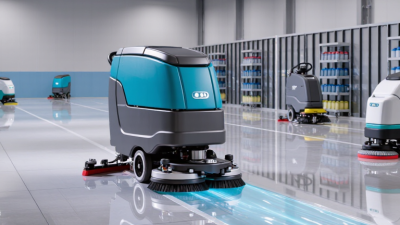
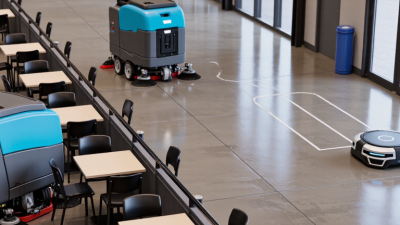
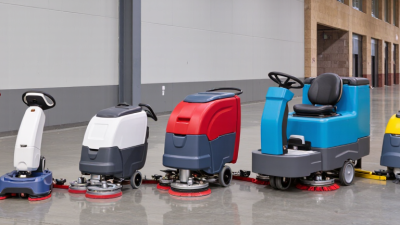
The best machine depends on the floor material, the type of soil, and how often cleaning is needed. A compact scrubber may suit narrow corridors, while a larger automatic model can cover open warehouse floors faster. Check brush pressure, tank capacity, noise, maneuverability, and replacement-part availability. Match the cleaning solution to the floor manufacturer’s guidance, too. Small details count. A heavy machine that cannot turn around a crowded checkout can become a daily frustration.

These seven tips will help facility managers compare options with practical needs in view. No checklist can predict every maintenance problem. Even experienced buyers may overlook storage space or staff training. Ask for a demonstration on the actual floor, then inspect the surface after it dries. A clean-looking pass is not always a clean result.
7 Tips for Choosing the Best Commercial Floor Cleaner

Identify Floor Types and Match Cleaners to Their Materials

A cleaner that works on sealed concrete may haze polished stone or soften a floor finish. Identify the surface before comparing labels: vinyl, linoleum, ceramic tile, natural stone, and sealed wood need different care. The Resilient Floor Covering Institute’s maintenance guidance emphasizes using cleaning methods suited to the flooring material and its finish. That matters in practice. A small test patch near a wall can reveal dulling, tackiness, or color transfer before you treat a whole corridor.

The National Floor Safety Institute reports that slips and falls account for more than one million U.S. emergency-room visits each year. Wet residue can add risk, so match the cleaner to the floor and follow its dilution and rinsing directions. For stone, avoid products that may etch sensitive surfaces; for coated vinyl, choose a compatible neutral cleaner. Porous grout may need more dwell time, but excess liquid can seep into seams. I still double-check older floors, because their finish is not always obvious.

Tip: Read the flooring care sheet, then check the cleaner’s label for approved materials, dilution, and rinse instructions. Test an inconspicuous spot first. Watch for a cloudy film after drying; that can signal residue or an incompatible product. If the surface remains slick, stop and reassess rather than adding more solution.

Compare Formulas, pH Levels, and Soil-Removal Performance

A commercial floor cleaner should match both the surface and the soil. Tip 1: Check the formula before comparing claims. Neutral cleaners often suit routine care on finished floors, while alkaline formulas can help loosen greasy kitchen soil. Acidic products may target mineral deposits, but they can damage sensitive surfaces. Read the floor and cleaner instructions together. Small mismatch, costly result.

Tip 2: Treat pH as a clue, not a score. A higher or lower number does not automatically mean better cleaning. Concentration, contact time, water temperature, and surface finish all affect results. For example, a cleaner that lifts oily marks from tile may dull a coated floor. Test a hidden patch first, then check for haze, color change, or tackiness after it dries.

Tip 3: Compare soil removal under realistic conditions. Use the same dilution, mop, and cleaning area for each option. Try a visible soil such as tracked-in grit or a light grease film, and note how many passes it takes. Less residue matters, too. A quick test can mislead if the floor was unusually dirty—or unusually clean. Recheck on a normal workday before choosing.

7 Tips for Choosing the Best Commercial Floor Cleaner

Compare formulas, pH levels, and soil-removal performance

These approximate pH ranges illustrate common cleaner types, not measured performance scores; actual products vary. Neutral cleaners are often chosen for routine cleaning, while alkaline formulas are commonly used on oily or greasy soils. Acidic cleaners target mineral deposits and may damage acid-sensitive surfaces. Match the formula to the soil and flooring, and confirm suitability and dilution instructions on the product label.

Check Safety Requirements for Workers, Customers, and the Environment

Choosing a commercial floor cleaner starts with the people who use the space. The U.S. Bureau of Labor Statistics reported 865 fatal workplace injuries from falls, slips, and trips in 2022. That figure covers many hazards, not just wet floors, but it shows why drying time and clear warning signs matter. Check the product label and Safety Data Sheet (SDS) for dilution, ventilation, and protective equipment instructions. A powerful formula is not automatically a safer choice.

Tip: Match the cleaner to the floor and the work schedule. In a busy lobby, a product that leaves a slick film or takes too long to dry can put visitors at risk. Test a small area first, and follow the stated dilution rate. I still double-check the instructions; small measuring errors are easy to make during a rushed shift.

Tip: Consider exposure and disposal, too. Ask whether staff can apply the product without breathing concentrated mist, and provide gloves or other listed protection. Review the SDS before switching products, and never mix cleaners. For ingredient information, consult the U.S. EPA’s Safer Choice program; its criteria help identify products assessed for human and environmental health. Certification is useful, but it does not replace site-specific ventilation, training, or careful use.

Confirm Compatibility With Cleaning Equipment and Application Methods

A cleaner can perform well on a bucket test and still fail in a scrubber. Check the label for approved application methods, dilution, and required wet-contact time. CDC’s 2019 Best Practices for Environmental Cleaning in Healthcare Facilities emphasizes following product instructions for dilution and contact time. Those details affect cleaning results and whether residue remains on a floor.

Tip: Match the chemistry to the machine. For an auto-scrubber, confirm the cleaner is low-foaming and suitable for the tank, pad, and recovery system. For spray-and-mop use, check whether it needs rinsing. Test a small, inconspicuous area first. Watch for dulling, sticky residue, or unexpected foam. Small signs matter.

Ask the supplier for compatibility details covering your floor finish, water hardness, and equipment model. Then trial the cleaner during a normal shift, not just in a quiet showroom. Record dilution, passes, drying time, and residue. Results can vary. That is worth admitting. CDC’s guidance is healthcare-focused, so facility teams should also follow flooring and equipment manufacturers’ instructions for their own site.

Evaluate Concentration, Cost, Certifications, and Long-Term Value

Concentration can make a low-priced cleaner expensive if staff use too much. Compare cost per ready-to-use gallon, not just the bottle price. Check the dilution instructions, required contact time, and whether the product suits your floor. A measured dosing system helps reduce guesswork. Small spills matter over a year.

Tip: Test the cleaner on a small, inconspicuous area first. Then time a normal cleaning task and note the amount used. One caveat: a quick test may not reflect a busy shift.

For long-term value, include labor, rinsing, rework, and floor wear in your comparison. The U.S. Bureau of Labor Statistics reported a median annual wage of $35,930 for janitors and building cleaners in May 2024. That makes minutes spent mixing or repeating a task worth tracking, not overlooking. EPA’s Safer Choice program reviews product ingredients against human-health and environmental criteria; check whether a product carries the label and whether its use fits your facility.

Tip: Compare two or three options over several weeks. Record cost, cleaning time, residue, and staff feedback. Certifications are useful signals, not guarantees that a product suits every surface. I would revisit the choice after a season; usage can change, and the first estimate may be off.

7 Tips for Choosing the Best Commercial Floor Cleaner — Evaluate Concentration, Cost, Certifications, and Long-Term Value
Tip What to Evaluate Realistic Example or Calculation Why It Matters What to Verify Before Buying
1. Compare dilution and concentration Check the product’s labeled dilution rate, measuring method, and whether it is intended for routine cleaning or heavier soil. A 1:128 dilution means 1 fluid ounce of concentrate per gallon of prepared solution. A 1-gallon container of concentrate makes about 128 gallons when mixed at that rate. A concentrated cleaner may reduce packaging and storage needs, but only when staff measure and dilute it correctly. Confirm the dilution directions on the product label. Do not assume that a more concentrated formula is more effective at every task.
2. Calculate cost per usable gallon Compare cost after dilution rather than comparing container prices alone. Example: a $24 concentrate mixed at 1:128 costs about $0.19 per prepared gallon ($24 ÷ 128), before labor, water, and equipment costs. This provides a more useful comparison between products with different container sizes and dilution rates. Use the actual quoted price and labeled dilution rate. Check whether the stated rate is suitable for your cleaning task.
3. Match the cleaner to the floor Check compatibility with the flooring material, finish, grout, and any protective coating. Natural stone, resilient flooring, finished wood, and coated concrete can have different care requirements. A cleaner approved for one surface may not be suitable for another. Using an incompatible product can dull finishes, leave residue, or damage the surface over time. Review the cleaner label and the flooring or finish manufacturer’s care instructions. Test in a small, inconspicuous area when appropriate.
4. Match performance to soil and equipment Consider the type of soil, cleaning frequency, water conditions, and method of use, such as a mop, automatic scrubber, or spray-and-wipe routine. A low-foaming formula is generally preferable for many automatic scrubbers because excess foam can interfere with recovery and operation. The right formulation can improve cleaning consistency and reduce residue, rework, and equipment interruptions. Check label directions for the intended application and equipment. Follow the machine manufacturer’s guidance as well.
5. Verify certifications and claims Look for independently verified environmental certifications and confirm that any antimicrobial claims are properly supported. EPA Safer Choice and Green Seal GS-37 address different product criteria. EPA registration is relevant to products making regulated antimicrobial or disinfectant claims. Certifications and registrations apply to specific products and claims; they are not interchangeable or a guarantee of suitability for every facility. Check current certification directories and the product label. Use a disinfectant only when the required use, surface, and contact time match the label.
6. Assess safety and staff usability Review required personal protective equipment, handling instructions, fragrance, and staff training needs. Using a labeled dilution-control system can help reduce measurement errors and worker contact with concentrate. Clear procedures and suitable dispensing can support safer, more consistent cleaning and reduce solution waste. Read the Safety Data Sheet and product label. Follow workplace safety requirements and never mix cleaning chemicals unless the label specifically directs it.
7. Measure long-term value Include product use, labor, dilution accuracy, packaging, storage, equipment compatibility, and cleaning results in the comparison. Compare monthly cost per cleaned area: total monthly cleaning cost ÷ square feet cleaned. Include labor and rework, not just chemical spend. A lower purchase price may not be the lowest-cost option if the product requires more labor, causes residue, or needs frequent re-cleaning. Trial shortlisted products on representative floors and track dilution, usage, cleaning time, results, and any finish or equipment issues.

Cost figures are illustrative calculations, not market quotes. Actual costs and performance depend on the product label, purchase price, dilution, site conditions, and cleaning procedure.

Go to Top