10 Best Commercial Floor Scrubbers for Global Buyers

Choosing a commercial floor scrubber is about more than covering the largest area per hour. Facility managers also need to consider floor type, cleaning schedule, noise limits, operator comfort, and available maintenance support. A machine that works well in a warehouse may be too large for a hotel corridor. Small details matter. A tight turning radius, clear controls, and easy-to-reach recovery tank can make daily cleaning less frustrating.

This guide introduces 10 commercial floor scrubbers for buyers comparing options across different markets. It looks at practical factors such as cleaning width, battery runtime, water capacity, maneuverability, and upkeep. Product specifications can help narrow the field, but published figures may not reflect every site or operating condition. That judgment is imperfect. Before purchasing, confirm local power compatibility, parts availability, warranty coverage, and any regional equipment requirements with the seller. Consider testing a machine on your actual floor, especially if the surface has textured sections or narrow aisles. The best floor scrubber is not always the most powerful or expensive one. It is the model that fits the building, workload, and support network without creating avoidable costs.
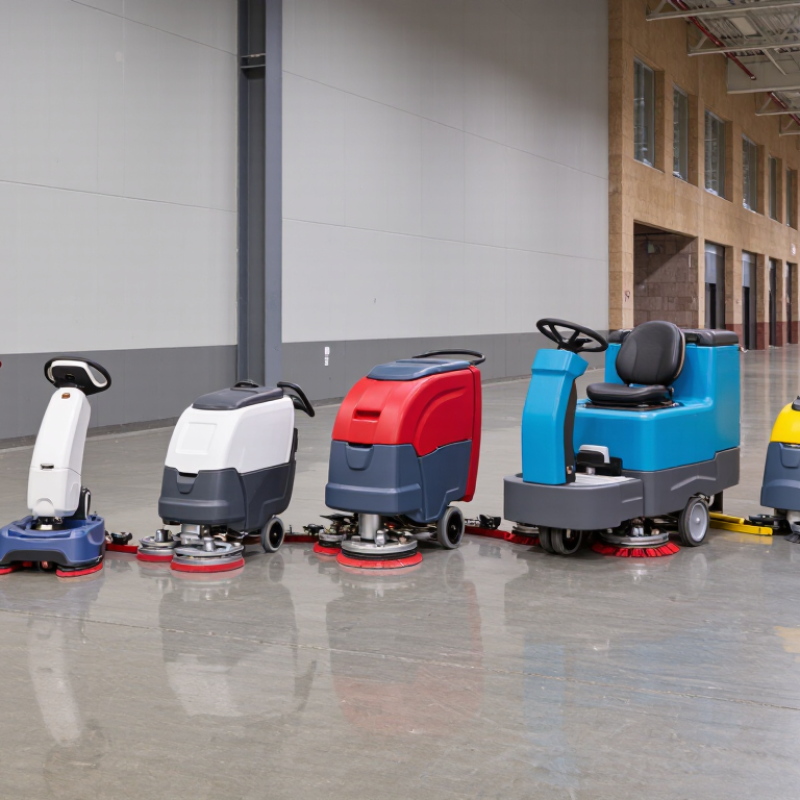
10 Best Commercial Floor Scrubbers for Global Buyers

What Commercial Floor Scrubbers Do and How They Work

Commercial floor scrubbers combine solution delivery, mechanical agitation, and water recovery in one pass. A tank feeds diluted cleaning solution to a brush or pad. The rotating surface loosens soil, grease, and tracked-in grit. An operator guides the machine at a steady pace. On many models, a rear squeegee channels dirty water into a separate recovery tank.

The result is cleaner floors with less standing moisture than traditional mopping, though performance depends on the surface and setup. Choose brush pressure and pad type for the floor finish; too much abrasion can dull coatings. Use cleaning chemicals at their stated dilution, and check that they suit the material.

Small details matter. A clogged pickup hose or worn squeegee can leave streaks behind. The tank may look empty, yet residue can remain in corners.

Walk-behind machines suit tighter aisles and crowded rooms, while ride-on units cover broad, open areas faster. Battery models reduce cord management but need charging time and battery care. Before buying, measure doorways, turning space, and cleaning routes.

Test first. It is easy to overestimate coverage from a brochure; real floors have obstacles, edges, and uneven soil. Operators should inspect brushes, filters, and recovery tanks routinely, then record recurring issues. Log the time needed to charge and clean each area; estimates often improve after several shifts.

Key Types of Commercial Floor Scrubbers for Different Facilities

Commercial floor scrubbers are not one-size-fits-all machines. Cleaning width, tank capacity, and turning radius should suit the facility. Walk-behind scrubbers work well in shops, schools, and smaller corridors. Operators can guide them around desks, displays, and narrow doorways. Compact models fit crowded rooms, though their smaller tanks may require more frequent refilling.

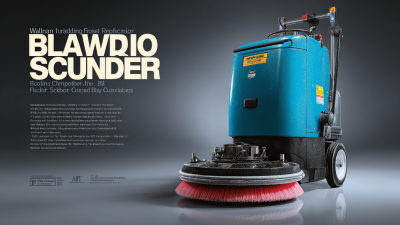
Ride-on scrubbers are useful in large warehouses, terminals, and distribution centers. They cover broad aisles quickly and reduce operator fatigue over long shifts. Cylindrical-brush scrubbers can help on textured floors or in areas with light debris, since their brushes reach into grooves while cleaning. For offices or clinics with frequent obstacles, a compact walk-behind unit may be easier to steer than a larger machine.

Match the machine to the floor finish and the type of soil, not just the building’s total area. Check whether the squeegee leaves a dry path on the actual surface, and confirm that the unit fits through lifts and storage doors. It is not foolproof. A specification sheet cannot show every tight turn or slippery patch, so a supervised trial on a representative section can reveal practical limits.

Key Types of Commercial Floor Scrubbers

Typical cleaning-path width ranges by scrubber type (cm). Use these indicative ranges to compare equipment for different facility sizes; specifications vary by model.

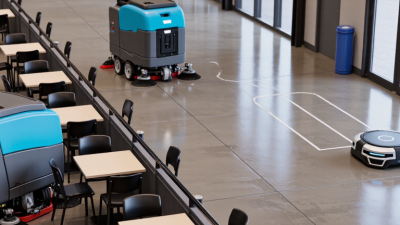
Compact and standard walk-behind scrubbers suit smaller or more confined areas. Ride-on machines cover wider paths for large open floors, while autonomous scrubbers can support routine cleaning in suitable layouts.

How to Evaluate the 10 Best Commercial Floor Scrubbers

To evaluate the 10 best commercial floor scrubbers, compare more than cleaning width and tank capacity. Match each machine to the site: polished concrete, textured tile, or narrow corridors. Check brush pressure, turning radius, water recovery, and whether operators can reach tanks and squeegees without tools. Small details matter. A machine that leaves wet corners may create extra work, even when its coverage rate looks impressive.

Use practical tests, not brochure claims. Measure cleaning time on a marked section, then inspect grout lines and edges under good lighting. Check drying time and how much water remains after a pass. Noise matters too: NIOSH recommends limiting occupational noise exposure to 85 dBA over eight hours. Compare measured operating noise, especially for daytime cleaning. The figure is a screening reference, not a guarantee of comfort.

Include labor and maintenance in the cost comparison. The U.S. Bureau of Labor Statistics reported a 2023 median annual wage of $35,930 for janitors and building cleaners; actual wages vary by country and site. This makes minutes saved worth tracking, but not assuming. Record brush, battery, and service costs alongside cleaning time. A polished floor can hide residue, and one short test may miss it. Repeat trials on different shifts before ranking machines.

Comparing Leading Models by Performance, Cost, and Global Availability

Commercial floor scrubbers are best compared by cleaning rate, water control, operator effort, and service access—not headline power alone. Compact walk-behind units suit narrow aisles and frequent turns, while larger ride-on models cover broad warehouse lanes faster. A practical test is to time a 500-square-meter route with corners, shelving, and a damp patch. Check how evenly the brushes lift grime and whether the floor dries before staff return. Small details matter.

Purchase cost tells only part of the story. Battery runtime, brush replacement, squeegee wear, and local parts pricing shape the cost per shift. A lower-priced machine may become expensive if common consumables take weeks to arrive. For global buyers, confirm voltage options, charger compatibility, translated operator guidance, and service coverage in the destination market. Ask for written parts lead times. Availability can vary by region, even for similar configurations. A comparison table can still miss what happens after the first year; supplier claims deserve a real site trial. Not always convenient, but useful. For each of ten shortlisted models, record tested area per hour, water use, noise, and downtime assumptions before comparing quotations.

How to Choose, Operate, and Maintain a Scrubber in Your Region

Start with the floor, not the machine. Smooth concrete, textured tile, and coated floors need different brushes or pads. Check the cleaning width against aisles, doorways, and storage areas. A compact scrubber may suit crowded rooms; larger sites may need more tank capacity. Consider local water hardness, available replacement parts, charging access, and service support before buying. These details can matter more than a long feature list.

Before each shift, sweep loose grit so it does not scratch the floor or clog the pickup system. Use the detergent concentration recommended for the machine and surface. More soap is not always better. It can leave a slippery film. Set a steady walking pace, overlap passes slightly, and slow down around corners. Operators should follow the equipment manual and site safety procedures. Floors may look clean while still being wet.

After use, empty and rinse both tanks, then wipe the squeegee blades. Check brushes, hoses, and power connections for wear or debris. In areas with hard water, regular rinsing can help limit mineral buildup. Store batteries as the manual directs, especially where temperatures vary widely. No checklist catches everything. A blade can look fine and still leave streaks, so inspect the floor during the next run and adjust as needed.

Go to Top