What Are the Top Floor Scrubber Machine Types in 2026?

Choosing a floor scrubber machine in 2026 means matching equipment to the building, the floor, and the cleaning schedule. A compact walk-behind model can turn through narrow aisles and around café tables. A ride-on scrubber covers broad warehouse lanes faster, while robotic units can handle repeatable routes with less operator input. None is best everywhere. Floor finish, doorway width, battery runtime, water recovery, and service access all affect daily performance.

This guide compares the leading machine types and explains where each one makes practical sense. It also looks at trade-offs that product pages may gloss over: a larger tank adds weight, autonomous cleaning still needs oversight, and a low purchase price may hide costly upkeep. Small details matter. A squeegee that leaves damp streaks can create extra work, not save it. One sourcing note matters, too: without a verifiable source, I can’t honestly attribute a direct quotation on 2026 scrubber types to a named industry expert. The guiding principle here is simple: “Choose for the floor you clean, not the features you rarely use.” Use that lens to compare machines, ask sharper supplier questions, and avoid buying capacity your site cannot use.
What Are the Top Floor Scrubber Machine Types in 2026?

How Floor Scrubber Machines Clean and Dry Hard Floors

What Are the Top Floor Scrubber Machine Types in 2026?

How Floor Scrubber Machines Clean and Dry Hard Floors

A floor scrubber cleans through a coordinated sequence: it applies solution, agitates the surface, then recovers dirty water. Disc brushes suit open, relatively smooth floors; cylindrical brushes can pick up small debris while scrubbing. In both designs, a rear squeegee channels slurry toward a vacuum intake and recovery tank. The floor should look evenly damp, not streaked with standing water.

Drying depends on more than the machine. Worn squeegee blades, clogged vacuum filters, excess solution, or a fast turn can leave wet patches behind. That matters: the U.S. Bureau of Labor Statistics recorded 450,540 nonfatal workplace cases involving days away from work from falls, slips, and trips in 2022. That figure does not mean wet floors caused every case, but it underscores why recovery performance deserves attention. See the BLS Survey of Occupational Injuries and Illnesses, 2022.

Operators should match brush pressure and solution flow to the floor finish, then inspect edges and tight turns where water can linger. A quick visual check helps, but it is not a moisture test. There is no perfect shortcut. If a surface remains slick, pause traffic and investigate the squeegee, vacuum pickup, and cleaning settings before continuing.

What Are the Top Floor Scrubber Machine Types in 2026?

How they clean and dry: Scrubbing brushes or pads loosen soil while the machine dispenses cleaning solution. A rear squeegee collects the dirty water, and a vacuum system draws it into a recovery tank, leaving the floor drier. Widths shown are representative examples, not fixed specifications; actual sizes vary by model.

Which Features Distinguish the Main Scrubber Categories?

Walk-behind scrubbers suit corridors, kitchens, and crowded retail aisles. Their compact turning radius matters more than headline speed when staff must clean around shelving. Check the cleaning width, solution and recovery tank sizes, and whether brushes can match the floor finish. Small tanks mean more refill stops. That trade-off is easy to underestimate.

Ride-on machines cover broad warehouse or terminal floors faster, but need clear routes and enough space to turn. Larger tanks can extend cleaning runs; battery capacity and charging time affect how much area gets done per shift. Compact single-disc machines offer control for edges and smaller rooms, though they usually require more operator effort. Robotic scrubbers can repeat mapped routes and reduce routine driving. They still need staff to handle obstacles, refill tanks, and inspect missed spots. Not fully hands-free.

Grand View Research’s floor-cleaning-machines market report estimated the global market at over US$10 billion and forecast high-single-digit annual growth through 2030. That broad category includes more than scrubbers, so it signals market direction, not the best machine for a particular site. Compare measured cleaning performance on your own floors. Water use, drying time, noise, and operator visibility can matter as much as coverage rate. A larger machine is not automatically better.

What Are the Top Floor Scrubber Machine Types in 2026?

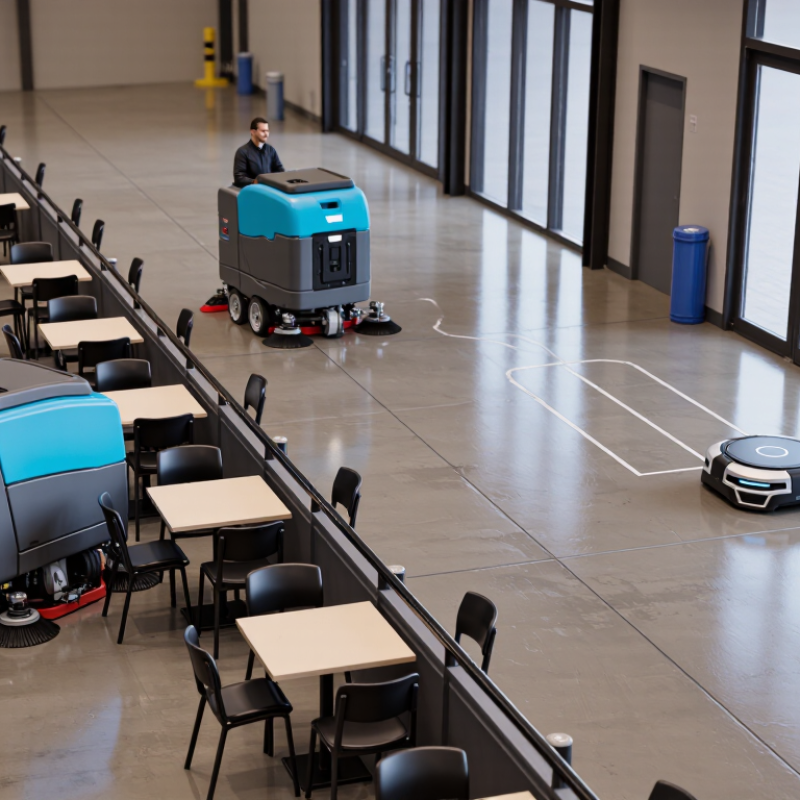
In 2026, the top floor scrubber machine types remain walk-behind, ride-on, compact, and autonomous models. Walk-behind scrubbers suit smaller shops, kitchens, and crowded aisles, where operators need close control around shelves. Ride-on machines cover wide warehouse floors faster, but need clear turning space and room for charging. Compact scrubbers fit narrow corridors and busy entrances. Autonomous units can follow mapped routes in suitable facilities, though staff still need to check obstacles, water levels, and cleaning results. They are not a hands-off answer for every building.

Scrubbing heads matter too. Disc brushes handle many smooth, sealed floors and everyday soil. Cylindrical brushes can collect light debris while scrubbing, which helps in some textured areas. Match the machine to the floor, soil, and daily traffic—not just the advertised cleaning width.

A machine that is too large may miss corners. That happens.

Tips: Measure doorways and turning areas before choosing. Test the scrubber on a representative floor section, and check how easily operators can fill, drain, and clean its tanks. Compare battery runtime with the actual shift, including breaks and setup. Ask who will maintain squeegees, brushes, and filters. Small details matter. A short trial can expose awkward controls or streaking that a specification sheet will not.

Where Each Type of Floor Scrubber Works Best

Walk-behind floor scrubbers suit small and medium spaces with frequent obstacles, such as clinic corridors, kitchens, and crowded shops. Their compact turning radius helps operators clean around shelving and chair legs. They also work well where narrow aisles make larger machines awkward. That matters. But operators still need time to cover broad floors, and tight corners may require a separate edge-cleaning pass.

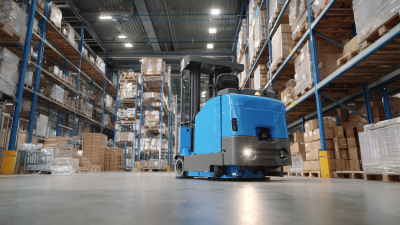
Ride-on scrubbers are a practical fit for warehouses, school halls, and large retail floors with long, open routes. A wider cleaning path can reduce repetitive walking across large areas. Check turning space, door widths, and floor transitions before choosing one; a fast machine is less useful if it cannot reach key rooms. For smaller sites, the extra size may be a poor trade.

Robotic scrubbers work best in predictable, open areas with consistent routes, such as long corridors or uncluttered production spaces. They can handle scheduled maintenance cleaning, but obstacles, spills, and changing layouts may require human attention. They are not entirely hands-off. Compact scrubbers can bridge the gap in small, busy locations where a mop leaves floors wet for too long. Match the machine to the floor, traffic, and staffing plan—not just the square footage. A site survey can reveal awkward bottlenecks that a product sheet misses.

What Are the Top Floor Scrubber Machine Types in 2026? — Where Each Type of Floor Scrubber Works Best

Machine Type How It Works Where It Works Best Key Advantages Things to Consider
Compact Walk-Behind Scrubber An operator guides a small, battery-powered or corded scrubber-dryer. A brush or pad scrubs the floor while a squeegee collects the dirty solution. Small shops, cafés, clinics, restrooms, and other spaces with narrow aisles or limited storage. Easy to maneuver in tight areas; typically simpler to store and transport than larger machines. Smaller tanks and a narrower cleaning path mean more frequent refilling and emptying on larger jobs.
Standard Walk-Behind Disc Scrubber A circular pad or disc brush scrubs the floor as the operator walks behind the machine; the squeegee recovers the cleaning solution. Retail spaces, schools, offices, corridors, and other medium-sized areas with mostly smooth, open floors. Offers good operator control and is available in a range of cleaning widths and tank capacities. Disc brushes and pads work best on relatively even surfaces; edges and tight corners may need separate attention.
Cylindrical-Brush Scrubber One or more cylindrical brushes rotate against the floor. Some designs also collect light debris as they scrub and recover solution. Textured or uneven hard floors, grout lines, entrance areas, and sites where light dry debris may be present. Brush action can reach into surface texture and grout more effectively than a flat pad on some floors. Check brush type and pressure against the floor finish; brush wear and debris handling vary by model.
Ride-On Scrubber An operator sits or stands on the machine and steers it across the floor while its brushes scrub and its recovery system collects solution. Large warehouses, distribution centers, airports, and expansive retail or manufacturing floors. Reduces walking effort and can cover broad, unobstructed areas efficiently. Needs adequate turning space, safe operating routes, and room for charging and maintenance; less suited to cluttered or narrow spaces.
Autonomous Robotic Scrubber Sensors and onboard navigation systems guide a programmed cleaning route; an operator typically sets up, monitors, and maintains the machine. Large, predictable indoor areas with repeatable routes, such as open corridors, facility aisles, and selected warehouse zones. Can repeat routine cleaning routes and reduce the need for an operator to steer continuously. Requires suitable floor conditions, route setup, and site safety procedures. People, temporary obstacles, and changing layouts may require supervision or route adjustments.
Single-Disc Rotary Scrubber A manually guided rotating disc brush or pad agitates the floor. Depending on the task and configuration, it may be used with a separate wet vacuum or extraction step. Targeted deep cleaning, floor preparation, and selected maintenance tasks on compatible hard floors. Versatile for focused work and can use different pads or brushes for different cleaning tasks. Usually does not recover solution in the same pass like a scrubber-dryer; operator technique and the correct pad or brush are important.

How to Choose a Floor Scrubber for Different Cleaning Needs

Choosing a floor scrubber starts with the floor, the soil, and the space—not just the building’s square footage. A compact walk-behind machine can turn around shelving and clean narrow aisles, though its smaller tank may mean more refills. In open warehouses, a ride-on model can cover long routes with less operator walking. That advantage fades in crowded rooms. Check door widths, ramps, turning space, and storage before choosing.

Match the brush or pad to the surface and the kind of dirt. Smooth sealed floors often need a different setup from textured tile, where grime can collect in grout lines. Follow the flooring supplier’s care guidance, and test a small area first. Test a small area. Water recovery matters, too: poor pickup can leave damp tracks, especially near entrances. Noise, battery runtime, and access to charging can also affect daily use.

Estimate how many square metres need cleaning per shift, then compare that with realistic cleaning speed and refill time. Ask operators to try the machine around real obstacles, not only across an empty floor. A specification sheet cannot show every awkward turn. I would reassess the choice after a week; routes, soil levels, and refill needs are easy to misjudge at first.

Go to Top