China Top 10 Commercial Floor Cleaner Manufacturers
Choosing a commercial floor cleaner is an operational decision, not just a product comparison. A scrubber must fit the floor area, soil level, shift length, and available charging space. A compact walk-behind machine may suit a hotel corridor; a ride-on unit may save time across a warehouse. Details matter.
Grand View Research valued the global commercial cleaning services market at USD 415.93 billion in 2023 and forecast growth through 2030. This measures cleaning services, not floor-cleaning equipment sales, so it should be read as market context rather than proof of machine demand. Still, it reflects the scale of professional cleaning operations that depend on practical, reliable tools. China’s manufacturers serve this environment with scrubbers, sweepers, polishers, and related machines. Their specifications can look similar on paper. The difference often appears in daily use: water recovery on a smooth tile floor, battery performance during a long shift, or access to replacement brushes.
This guide to China’s top 10 commercial floor cleaner manufacturers offers a starting point for comparison, not a universal ranking. Buyers should verify cleaning width, runtime, noise levels, warranty terms, and local service support against their own site conditions. Ask for test data where available. Ask harder questions, too. A low purchase price can hide downtime or difficult maintenance. That is easy to overlook. The right choice depends on the work, not the brochure.
Commercial Floor Cleaner Manufacturing in China: Industry Overview
China’s commercial floor cleaner industry serves hotels, hospitals, warehouses, shopping centers, and other facilities. Manufacturers produce walk-behind scrubbers, ride-on machines, and compact units for narrow corridors. Their work combines metal fabrication, motor and pump assembly, battery integration, and final equipment testing.
A production line may include stainless-steel solution tanks, rubber squeegees, brush decks, wiring harnesses, and control panels. Small design choices matter. A poorly positioned drain, for example, can leave water inside a tank after cleaning. Factories may adjust brush width, battery capacity, or tank size for different floor areas and operating routines. Customization still has limits; changing several components can affect delivery schedules and maintenance needs.
The supply chain often draws on both locally made parts and specialized components from outside suppliers. Manufacturers typically check functions such as water flow, brush rotation, noise, and battery charging before shipment. Buyers should request clear specifications and test reports, then ask how replacement parts are sourced. Details matter. Factory capability can vary, even when product descriptions sound similar. A site visit or sample evaluation may reveal practical issues that a brochure misses, though neither guarantees consistent performance across every production batch.
Key Types and Technologies of Commercial Floor Cleaning Equipment
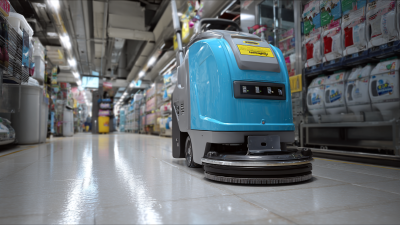
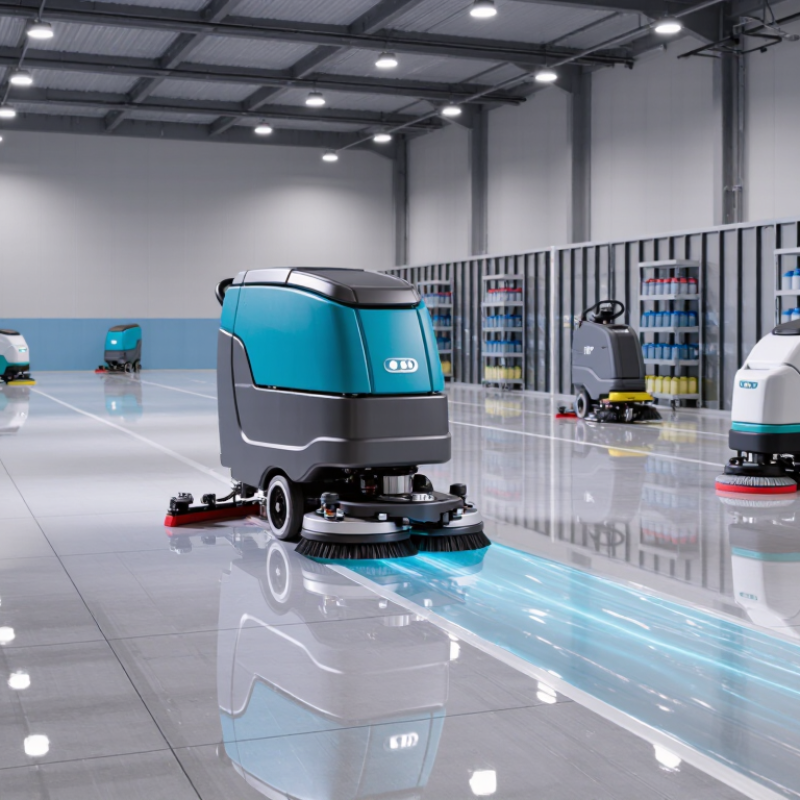
Commercial floor-cleaning equipment includes scrubbers, sweepers, vacuums, and polishing machines. Walk-behind scrubbers suit narrow aisles and smaller retail floors. Ride-on models cover broad warehouse corridors faster.
Sweepers collect dry grit before scrubbing, reducing muddy residue. A practical detail matters: brush pressure must match the floor, or delicate finishes can dull.
Scrubbers use disc brushes for general surfaces or cylindrical brushes for uneven floors and debris pickup. Recovery tanks vacuum dirty water after the brush pass. Better water control helps limit slippery patches.
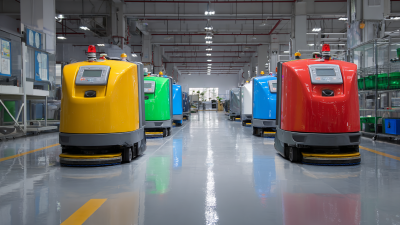
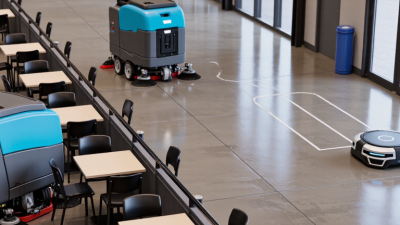
Some machines add chemical dosing, water recycling, or lithium-ion batteries; each adds cost and maintenance needs. Autonomous units combine sensors, mapping, and obstacle detection, but cluttered aisles still challenge them.
The International Federation of Robotics’ World Robotics 2024 report recorded nearly 205,000 professional service robots sold in 2023, up 30 percent year over year. This figure covers many service applications, not floor cleaners alone, so it signals broader automation growth rather than floor-equipment sales.
Technology is useful, but not magic. A poorly planned route can leave the same dusty corner untouched.
How to Evaluate China’s Commercial Floor Cleaner Manufacturers
When evaluating China’s commercial floor cleaner manufacturers, start with the cleaning tasks your site actually faces. A warehouse with oily marks needs different equipment from a hotel corridor with polished stone. Ask for clear specifications, including brush pressure, working width, water capacity, battery runtime, and noise level. A credible supplier should explain how these figures were measured. Test it on your floor.
During a sample trial, note how easily the machine turns around shelving and handles door thresholds. Check the finish for streaks, water left behind, or visible wear after repeated passes. Ask whether replacement brushes, squeegees, and batteries are consistently available. A machine may look sturdy in a showroom but feel awkward after an hour of daily use. Small details matter.
Review production quality controls, inspection records, and the process for handling defects. Request written warranty terms and a realistic service response time. Response time matters. Compare quotations carefully: a low price may exclude freight, training, or essential accessories. Clear answers are useful evidence, but they are not proof of long-term performance. No checklist catches everything. If possible, speak with a current commercial user and ask what required attention after several months. That conversation may reveal a gap in your evaluation—and it is worth revisiting before placing an order.
Profiles of Ten Leading Chinese Commercial Floor Cleaner Manufacturers
China’s commercial floor-cleaning sector includes manufacturers with different equipment strengths. These ten profiles describe useful areas to compare, rather than ranking unnamed companies by unsupported claims.
Profile A focuses on compact walk-behind scrubbers for narrow aisles.
Profile B emphasizes ride-on machines for large warehouses.
Profile C makes sweepers suited to dusty industrial floors.
Profile D offers combined sweeping and scrubbing equipment.
Profile E concentrates on battery-powered models and practical charging routines.
Profile F serves facilities needing simple controls and quick operator training.
Profile G highlights adjustable brushes for varied floor surfaces.
Profile H builds machines with accessible tanks and filters for easier daily care.
Profile I targets contract cleaners who move equipment between sites.
Profile J provides configurable options for different cleaning schedules.
Look beyond a product photo. Check working width, recovery capacity, noise levels, and parts availability. Ask for a floor test with realistic dirt and water conditions. A polished specification sheet is helpful, but it cannot show every drawback. Maintenance access matters, too; a hard-to-reach filter can turn routine cleaning into a chore. These profiles are a starting point, not proof of performance. Verify current models and service coverage directly before making a purchase.
Comparing Product Range, Applications, and Manufacturing Capabilities
Comparing commercial floor cleaner manufacturers means looking beyond model counts. A useful product range may include compact scrubber dryers for narrow shop aisles, ride-on machines for large warehouses, and single-disc units for periodic polishing. Each design suits different floor materials, debris levels, and cleaning schedules.
A machine that performs well on sealed concrete may struggle with textured tile or crowded corridors.
Details matter.
Application fit is practical, not theoretical. Check cleaning width, tank capacity, turning radius, noise level, and battery runtime against the site’s daily routine. Ask how machines handle tight corners, ramps, and frequent stops.
Some specifications look impressive on paper. Real floors are less tidy.
Manufacturing capability also deserves scrutiny: consistent assembly, component traceability, quality checks, and access to replacement parts can influence long-term uptime. Ask whether capacity is supported by documented testing, not just production volume.
Regional service coverage and operator training are useful evidence, though they are easy to overlook. Comparisons can remain imperfect when test conditions differ, so request comparable demonstrations on representative flooring before judging performance.