Why Choose the Right Floor Machine for Your Business Needs?
Choosing the right floor machine is crucial for any business that prioritizes cleanliness and efficiency. The commercial cleaning equipment market is projected to grow by 10% annually, driven by rising hygiene standards. A proper floor machine can significantly enhance productivity and reduce labor costs. According to industry reports, businesses using efficient floor machines can cut cleaning time by up to 30%. This statistic shows the vital role of selecting the right equipment.
Floor machines vary widely in function and performance. Each type is designed for specific tasks, such as scrubbing, polishing, or buffing. Not all machines fit every environment. For instance, using a lightweight floor machine in a heavy-duty setting may lead to ineffective cleaning. Business owners must evaluate their specific needs, rather than follow trends blindly.
Investing in the correct floor machine can seem daunting. Yet, the potential benefits often outweigh the initial challenges. It’s essential to consider factors like the type of flooring, machine durability, and maintenance requirements. The right choice ensures long-term satisfaction and may result in unexpected issues down the line. Balancing these aspects is critical for achieving a clean and safe work environment.
Understanding Different Types of Floor Machines Available in the Market
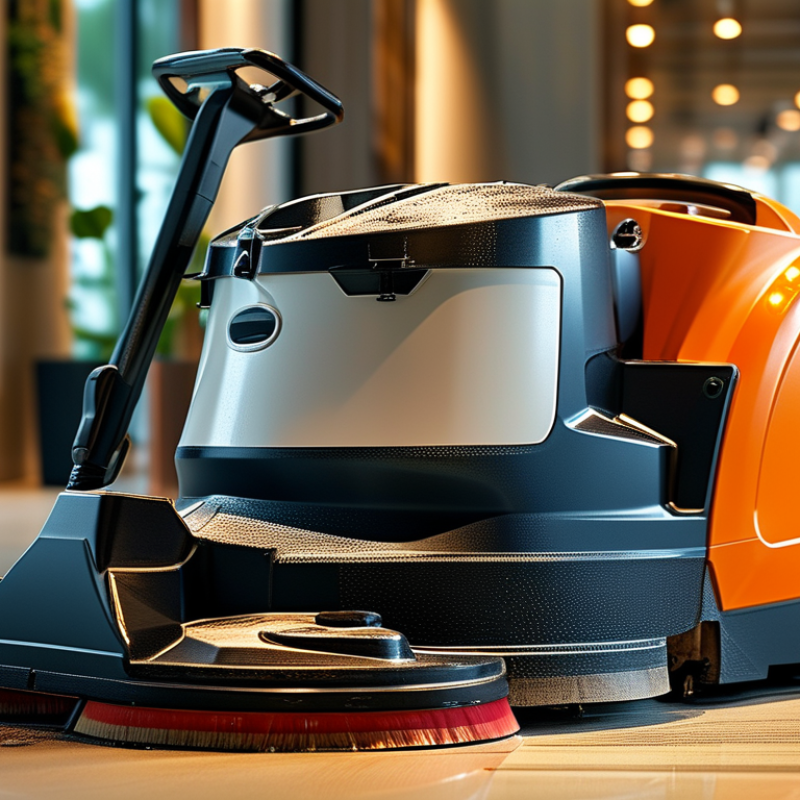
When selecting a floor machine for your business, understanding the variety available is crucial. The market offers several types of floor machines, each tailored to specific cleaning needs. For instance, scrubbers and polishers vary significantly in functionality. According to a recent industry report, over 50% of businesses find automatic scrubbers to be the most effective for large areas. This highlights their efficiency in maintaining hygiene standards while reducing labor costs.
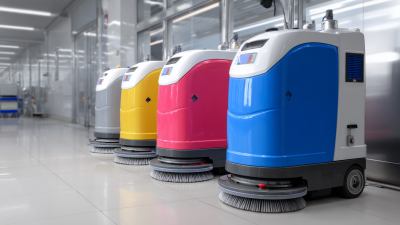
Additionally, walk-behind and ride-on machines serve different operational scales. Walk-behind units are often more practical for smaller spaces, while ride-on machines can cover larger areas faster. Data shows that integrating ride-on scrubbers can improve cleaning efficiency by up to 30% in commercial environments. Conversely, businesses must reflect on their space requirements and safety protocols to select the most suitable option.
Furthermore, when considering features, durability and maintenance requirements come into play. Machines with advanced filtration systems reduce airborne particles, enhancing indoor air quality. However, these features often come at a higher initial investment. Acknowledging the balance between upfront costs and potential savings is essential. It encourages businesses to analyze their long-term needs carefully before making a decision.
Assessing Your Business Needs and Floor Care Requirements
Choosing the right floor machine involves understanding your business's unique needs. Floor care requirements vary significantly across different industries. For instance, a restaurant has different demands than a retail store. The National Floor Safety Institute reports that improper floor maintenance can lead to slips and falls, costing businesses over $70 billion annually in medical claims and legal fees.
Assessing your specific environment is crucial. Will your floors endure heavy foot traffic? Are they prone to spills or stains? According to a survey by the International Sanitary Supply Association, 63% of businesses reported spending more on floor care than planned. This highlights the need for effective maintenance solutions tailored to your situation.
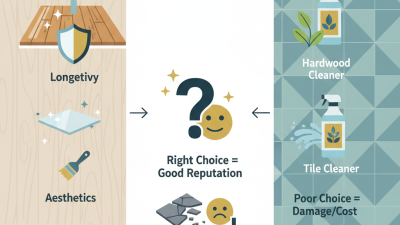
Moreover, consider the type of flooring you have. Different materials require different cleaning methods and machines. A survey from the Cleaning Industry Research Institute emphasizes that improper cleaning techniques may damage your floors, reducing their lifespan. Reflecting on your requirements and seeking appropriate solutions can significantly impact your operational efficiency.
Floor Care Machine Selection Based on Business Needs
Key Features to Consider When Selecting a Floor Machine
When selecting a floor machine for your business, key features can significantly impact performance and productivity. Consider the machine’s power source; battery-operated models offer flexibility, allowing for uninterrupted cleaning, while corded machines provide consistent power but limit mobility. According to a report by the Cleaning Industry Research Institute, efficient power usage can cut cleaning time by up to 20%.
The size and weight of the machine are also important factors. Heavier models can provide deeper cleans, but they may be difficult to maneuver in tight spaces. As a rule of thumb, a lighter machine is easier to use for prolonged periods. Evaluate the options based on your environment to ensure you choose the right balance between power and ease of use.
Another critical feature is versatility. Machines that can handle multiple surfaces, such as tile, hardwood, and carpet, can save costs by reducing the need for multiple devices. In addition, consider the machine's maintenance requirements. Frequent downtime for repairs can lead to higher operational costs and staff frustration.
For optimal selection, always seek equipment with user-friendly controls and safety features. Education on proper usage can mitigate risks of accidents. Neglecting these aspects might result in costly mistakes over time. Be aware of the long-term implications of your choices.
Cost-Benefit Analysis of Investing in the Right Floor Equipment
Choosing the right floor machine can significantly impact your business's efficiency and bottom line. While it may require an upfront investment, the potential savings in maintenance and labor can be substantial. Understanding your specific needs and selecting the appropriate equipment is crucial for maximizing those benefits.
For businesses with high foot traffic, investing in durable machines is essential. A reliable floor machine can reduce cleaning time and minimize the need for frequent replacements. Keeping in mind the maintenance costs and durability can lead to better long-term savings. Consider the type of floors you need to clean and choose equipment accordingly.
It's also important to assess your staff's training. Without proper knowledge, even the best machines can underperform. Regular training sessions can help staff utilize equipment effectively, leading to better results. Observe how your team interacts with the machines and identify areas for improvement. Investing in both equipment and training creates a more efficient cleaning environment.
Maintenance and Longevity: Choosing a Floor Machine for Sustainability
Choosing the right floor machine is critical for business sustainability. A well-selected machine minimizes waste and extends its lifespan. It’s essential to understand your specific needs. Whether you're in retail, hospitality, or industry, different environments demand varied floor care solutions.
Maintenance is a pivotal factor in machine longevity. Regular checks and servicing can prevent breakdowns. A machine that is easy to maintain encourages staff to take care of it. Each minor repair or cleaning step counts. Consider how often your floor machine will be used. High-traffic areas may require more robust equipment.
Before making a choice, reflect on your operational demands and budget. Invest in training for your staff to ensure proper usage. This can lead to fewer accidents and better maintenance habits. Look for models with good reviews but remember that all machines have limits. Understanding these aspects can guide you toward wiser decisions in your equipment selection.
Why Choose the Right Floor Machine for Your Business Needs? - Maintenance and Longevity: Choosing a Floor Machine for Sustainability
| Criterion |
Details |
Sustainability Impact |
Longevity Consideration |
| Machine Type |
Rider, Walk-Behind, or Robotic |
Different types have varied energy usage and efficiency |
Rider machines may last longer with proper maintenance |
| Cleaning Frequency |
Daily, Weekly, Monthly |
Regular cleaning reduces chemical waste |
Frequent use can maximize machine lifespan if done properly |
| Energy Source |
Electric, Battery, Diesel |
Electric options generally promote lower emissions |
Battery machines require regular battery care for longevity |
| Maintenance Requirements |
Daily, Weekly, Monthly Maintenance |
Proper maintenance reduces waste and enhances efficiency |
Regular checks can significantly extend operational life |
| Weight and Portability |
Lightweight vs. Heavy Duty |
Lighter machines can reduce energy needed for transport |
Heavy duty machines may offer more durability |
| User Skill Level |
Beginner, Intermediate, Expert |
Machines designed for ease of use lead to less misuse |
Simpler machines can prolong proper maintenance |