What Is a Water Vacuum and How Does It Work?
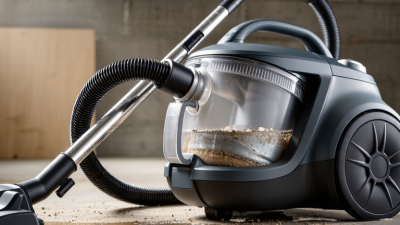
A water vacuum is a cleaning machine that uses water to capture some of the dust and debris drawn into it. Instead of sending everything directly into a dry bag, many models pull dirty air through a water-filled container. Dust and larger particles become trapped in the water, while the machine’s motor keeps air moving. The basic idea is simple. Its results depend on the design.
During cleaning, a fan creates suction through the hose and floor attachment. Air carries dirt into the water basin, where heavier particles settle. Some models also use extra filters to catch finer particles before air leaves the machine. That detail matters: water alone does not guarantee that every tiny particle or odor is removed. A water vacuum is also different from a wet-dry vacuum, which is built to collect liquid spills directly.
These machines can be useful for everyday floor and upholstery cleaning, but the water container needs attention after use. Emptying murky water, rinsing the basin, and letting parts dry can help prevent lingering smells and buildup. It is a little less effortless than the advertising may suggest. Performance, noise, upkeep, and suitable surfaces vary by model, so check the manufacturer’s instructions before use. Understanding how water captures debris makes it easier to decide whether this type of cleaner fits your home and routine.
What Defines a Water Vacuum and Its Water-Bath Filtration System
What Is a Water Vacuum and How Does It Work?
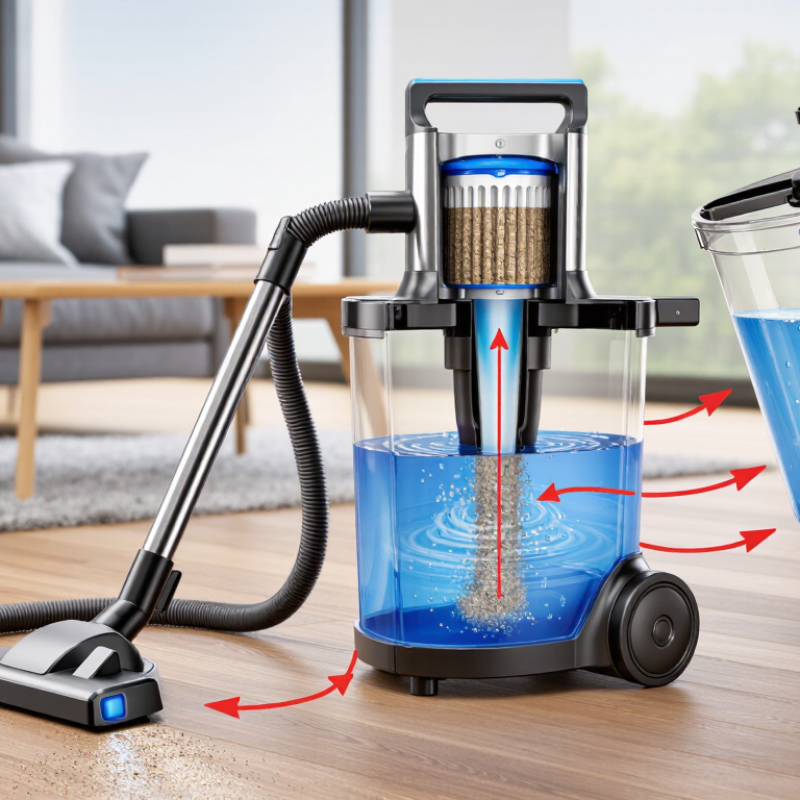
A water vacuum uses a water bath to capture dust and debris from incoming air. Inside the machine, a fan draws air through a chamber containing water. Dust and larger particles mix with the water and remain in the basin. The process is easy to picture: dirty air enters, while water becomes cloudy. Some fine particles may still pass through, so certain models add a separator or secondary filter. A water bath alone does not guarantee allergen-free air.
The water-bath filtration system depends on correct airflow and water level. Too little water can reduce particle capture; overfilling may allow water to reach parts not designed for it. After cleaning, the collected water contains the trapped dirt, which makes disposal visible but can also feel messy. Water filtration is not automatically better for every home. Performance, maintenance, and any added filters matter.
Tips: Fill only to the marked level, and check the instructions before use. Empty and rinse the basin after each session; leaving dirty water inside can cause odors. Keep the machine upright, and do not use it for liquid pickup unless it is specifically designed for that task.
What Is a Water Vacuum and How Does Its Water-Bath Filtration System Work?
Typical size ranges of common airborne particles (approximate; sizes vary by type).
A water vacuum draws air through a water bath, where some dust and debris become trapped in the water. The chart compares typical particle sizes—not filtration efficiency; how well a vacuum captures particles depends on its design and filtration system.
Key Components: Water Basin, Separator, Motor, and Exhaust Filter
A water vacuum routes dirty air into a basin, where heavier dust and debris meet water before the air moves toward a separator. The basin is not a magic filter. Fine particles can remain airborne, and dirty water may reduce airflow or create an unpleasant smell. In practical use, check the water level and empty the basin before residue settles into a thick layer.
The separator spins or redirects the air, helping remove droplets and trapped debris before the motor. That matters: water reaching the motor can damage components. The motor then drives airflow, while the exhaust filter captures particles that escape earlier stages. The U.S. Department of Energy’s DOE-STD-3020-2015 defines HEPA performance as at least 99.97% removal at 0.3 microns; that figure applies to qualifying HEPA filters, not every vacuum exhaust filter. A useful benchmark, not a blanket promise.
Check filter specifications and replace or clean parts as instructed. IEC 60312-1:2021 sets test methods for household vacuum performance, including air-related measurements, so comparisons should rely on tested results rather than claims alone. Small details matter. A damp filter, loose seal, or overfilled basin can undermine performance. Even a well-designed unit needs maintenance.
How Airborne Dust Travels from the Nozzle into the Water Tank
A water vacuum draws room air through its nozzle, carrying dust, hair, and other loose debris into a hose. The motor creates suction, but the airflow does the traveling. Inside the tank, the air meets water, either directly or through a separator that guides particles toward it. Designs vary.
The change can be visible. Dusty air enters the tank, then bubbles or swirls through the water. Heavier grit may sink, while smaller particles can stick to water droplets and remain in the tank. The water is not magic, though. Very fine airborne particles may escape unless the machine also uses a suitable filter or separator. That detail matters.
The exhaust path helps determine what leaves the vacuum and returns to the room. A well-maintained filter can capture particles that the water misses, but a clogged or poorly fitted one may reduce performance. After cleaning, the collected water looks cloudy or gritty. Empty the tank carefully, rinse it, and let it dry before storage. It is easy to overlook that last step. A damp, dirty tank can develop odors, and the next cleaning may start with yesterday’s residue.
What Is a Water Vacuum and How Does It Work? — How Airborne Dust Travels from the Nozzle into the Water Tank
| Stage | Part of the Air Path | What Happens to the Airborne Dust | What the Water Does | Practical Note |
|---|---|---|---|---|
| 1. Pickup | Nozzle and hose | The motor-driven airflow carries loose dust and debris from the surface through the nozzle and hose. | The water has not yet interacted with the incoming dust. | Pickup depends on airflow, nozzle design, surface type, and the size and weight of the debris. |
| 2. Entry into the separator | Inlet or air-guiding passage | Dust-laden air is directed into the water-containing separator or tank. | The tank holds water that serves as a collection medium for particles brought into contact with it. | Internal layouts vary; not every water vacuum uses the same separator design or airflow route. |
| 3. Contact with water | Water surface and moving air | Some particles collide with water droplets or the water surface. Larger or denser particles are generally easier to capture than very small particles. | Particles that become wetted can be held in the water rather than continuing with the airflow. | Capture depends on particle size, airflow speed, turbulence, and how effectively the design brings air and water into contact. |
| 4. Retention in the tank | Water reservoir | Captured dust remains mixed with the water or settles within the tank. | The water collects the particles that have been successfully wetted and retained. | Collected dirty water should be emptied and the tank cleaned after use, following the appliance instructions. |
| 5. Air leaves the water stage | Outlet passage | Air continues toward the exhaust. Some fine particles or moisture may remain in the airflow if they were not captured in the water stage. | Water reduces airborne dust only to the extent that the separator brings particles into contact with and retains them. | A water tank alone does not establish a specific filtration efficiency or guarantee removal of every fine particle. |
| 6. Final filtration, if fitted | Downstream filter or mist separator | A fitted downstream filter can capture some particles that pass through the water stage; a mist separator can help remove entrained water droplets. | This stage works separately from the water collection stage. | Check the vacuum’s specifications to see whether it has a downstream filter and what filtration standard, if any, is stated. |
Filtration Benchmarks: HEPA Captures 99.97% of 0.3-Micron Particles
A water vacuum draws dusty air through a water basin, where heavier debris and some particles become trapped. The cleaned air then passes through the machine’s separator and exhaust filter. The water helps contain mess inside the tank, but it is not automatically a fine-particle filter. Design matters.
The benchmark is precise: HEPA media captures at least 99.97% of particles measuring 0.3 microns under specified test conditions. The U.S. Environmental Protection Agency’s Guide to Air Cleaners in the Home gives this widely used rating.
These particles are difficult to capture because they sit near the most penetrating particle size for many filters. Small, but important.
That percentage describes the filter, not necessarily the entire vacuum. Leaks around seals, poor fit, or a saturated filter can let particles bypass the media. A water vacuum’s exhaust filtration should therefore be checked separately; a basin alone does not prove HEPA-level performance. In practical use, inspect the filter housing and follow the maker’s maintenance instructions. A little dust escaping at a seam can undermine a strong lab rating. And ratings do not tell the whole story: room airflow, floor type, and how slowly you vacuum also affect what remains airborne.
Operating Limits: Water Changes, Tank Capacity, and Filter Maintenance
A water vacuum uses a tank of water to collect dust and debris, but the tank has a working limit. In water-based models, airflow carries particles into the water, where many become trapped. This does not mean every model can pick up liquid spills. Check the instructions before using it on wet messes. That distinction matters.
Water needs attention. Empty the tank after each use, even if it looks only slightly dirty. Dust and hair can settle into a thick, unpleasant layer if left sitting. It is easy to assume more water means longer cleaning, but overfilling can cause splashing or interfere with airflow. Keep the level below the marked maximum. For a large room, pause and check the tank rather than waiting for suction to weaken.
Filters still matter. Water does not catch every fine particle, so the machine may also rely on foam, mesh, or other filters. Remove and clean them as the manual directs; not every filter is washable. Let rinsed parts dry fully before reinstalling them. A damp filter can restrict airflow or develop an odor. I used to think rinsing meant “clean enough.” It may not. Check for trapped lint and inspect filters regularly, especially after cleaning dusty floors or pet hair.
Related Posts
-
How to Choose a Wet Dry Vacuum Cleaner?
-
How to Choose the Right Wet Dry Vacuum Cleaner to Maximize Cleaning Efficiency
-
How to Choose the Best Water Vacuum for Your Needs?
-
Why Choose a Wet Dry Vacuum for Commercial Cleaning?
-
Innovative Uses of Best Wet Dry Vacuum Cleaner in Various Industries
-
Innovative Ride On Floor Scrubber Solutions for Efficient Cleaning in Diverse Industries