How to Choose the Best Water Vacuum for Your Needs?
Choosing the right water vacuum can significantly impact efficiency and cleanliness in various settings. According to a recent industry report by IBISWorld, the cleaning equipment market is projected to reach $20 billion by 2025, reflecting the growing demand for effective cleaning solutions. Water vacuums, known for their versatility, can effectively handle liquids and solids alike, making them essential for both commercial and residential uses.
Water vacuums not only enhance efficiency but also ensure a healthier environment. Studies indicate that 30% of indoor air quality issues stem from improper cleaning practices. The use of quality water vacuums can mitigate allergens and pollutants, contributing to better air quality. However, many users struggle to identify the best model for their needs. Limited knowledge about features and specifications can lead to suboptimal purchases.
Selecting a water vacuum requires understanding your specific needs. Budget constraints, motor power, and tank size all play crucial roles in decision-making. As different models cater to varied requirements, thorough research is necessary. User reviews and expert recommendations can guide you in making an informed choice, enhancing your cleaning experience.
Understanding Water Vacuum Cleaners: Types and Features
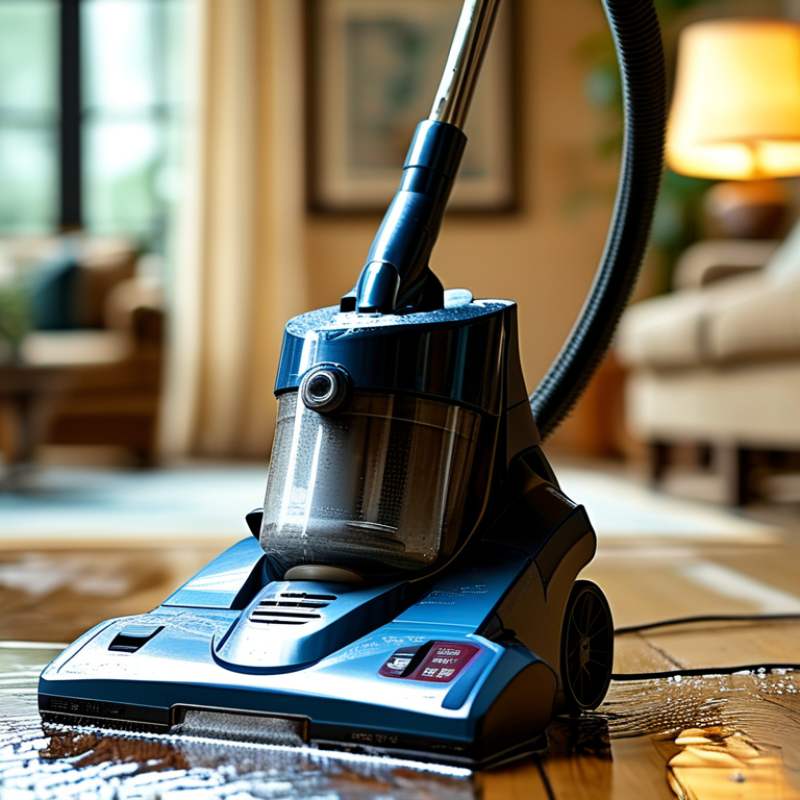
Water vacuum cleaners are designed for versatile cleaning. They can handle wet and dry messes with ease. Choosing the right type matters. Some models are powerful and suited for industrial use. Others are compact, perfect for home cleaning.
Consider the features that fit your needs. A good water vacuum should have a strong motor. This ensures efficient suction for both water and dirt. Look for a model with a robust filtration system. This keeps dust and allergens from recirculating. Some vacuums come with attachments for additional cleaning tasks. Ensure the hose length and capacity fit your environment.
Think about maintenance as well. Water vacuums require periodic cleaning to function effectively. Some users overlook this step. It can lead to performance issues. Don't forget about the weight and portability. A heavy model can be cumbersome. Always check for user reviews. Real experiences can guide your choice, ensuring that you pick a reliable vacuum.
Evaluating Your Cleaning Needs: Residential vs. Commercial Use
When evaluating your cleaning needs, it’s essential to consider whether the vacuum will be for residential or commercial use. Residential spaces typically have different requirements compared to commercial environments. For homes, you may only need a vacuum that handles occasional spills or pet hair. In contrast, commercial spaces often face heavier foot traffic and larger messes. A powerful system may be necessary for those high-demand areas.
In a home, a versatile and lightweight water vacuum can handle daily cleaning tasks effectively. It should be easy to maneuver around furniture and tight spaces. Residential vacuums often prioritize convenience and ease of storage. On the other hand, commercial cleaning demands sturdier equipment. You might face larger areas with more debris. Water vacuums for such use should have extended capacity and enhanced durability.
When reflecting on your choice, consider your frequency of use. A vacuum that works perfectly in a home might struggle in a commercial setting. It's also crucial to account for maintenance. A reliable vacuum should have easily accessible parts for cleaning and repairs. These are often overlooked but crucial factors in ensuring ongoing performance.
Key Specifications to Consider When Choosing a Water Vacuum
Choosing the right water vacuum can significantly improve cleaning efficiency. When considering a water vacuum, key specifications must be evaluated. Think about the tank capacity. A larger tank allows for longer cleaning sessions without interruption. Industry reports indicate that vacuums with at least a 5-gallon capacity are ideal for moderate to heavy tasks, avoiding frequent emptying.
Consider the suction power, measured in inches of water lift. A vacuum with at least 80 inches of water lift is recommended for effective water removal. This specification directly influences performance, particularly in wet environments. Pay attention to the filtration system as well. High-efficiency particulate air (HEPA) filters are essential in limiting allergens. It’s estimated that HEPA filters can capture at least 99.97% of particles, critical for maintaining air quality.
Tips: Always check the hose length and attachments. A longer hose offers flexibility, enabling access to tight spaces without moving the vacuum. Also, select a model with various attachments for different surfaces. Lastly, consider noise levels; quieter vacuums are beneficial in residential areas.
Don’t overlook the weight and mobility of the unit. A heavier vacuum may not be practical for everyone. Reflect on your own space. Will you need to carry it up stairs or maneuver it around furniture? These factors can significantly impact your overall satisfaction. Understanding these specifications ensures you find a water vacuum that meets your needs efficiently.
Comparing Popular Brands and Models: What to Look For
When comparing popular water vacuum brands and models, it's essential to consider several factors. Look for the vacuum's suction power. It defines how effectively it removes dirt and debris. A strong motor often means better performance on various surfaces. Portability is another crucial aspect. Many models are heavy and challenging to maneuver. A lightweight unit can make your cleaning routine more accessible.
Check the filtration system as well. High-quality filters trap allergens and fine particles, improving your indoor air quality. Users often overlook this feature. Ensure the vacuum has durable components. Frequent repairs can be frustrating and costly. Reading customer reviews can provide real-life insights into a model's reliability.
Pay attention to capacity too. Larger tanks mean less frequent emptying during use. However, they can make the vacuum bulkier. Think about your specific needs. Do you have pets, or will you be cleaning large areas? Identifying your cleaning habits will help narrow down your options. Sometimes, the ideal choice might not be the most expensive one. A well-reviewed, mid-range model may serve you just as well.
How to Choose the Best Water Vacuum for Your Needs?
This bar chart compares popular water vacuums based on five key features: suction power, dust capacity, weight, noise level, and price. Use this information to select the best water vacuum suited for your needs.
Maintaining Your Water Vacuum for Optimal Performance
Proper maintenance of your water vacuum ensures optimal performance and longevity. Regularly check the water tank for cleanliness. Neglecting this can lead to the buildup of harmful bacteria. A study from the Environmental Protection Agency (EPA) indicates that improper cleaning can result in contaminants thriving in damp conditions. Therefore, empty and rinse the tank after each use.
Inspect the filter regularly, too. A clogged filter can significantly reduce suction power. Research shows that maintaining a clean filter can improve efficiency by up to 30%. This not only enhances performance but also extends the lifespan of your vacuum. Make it a habit to change or clean the filter according to the manufacturer's guidelines.
Pay attention to the hoses and attachments. Over time, these components may accumulate dirt or suffer from wear. If you notice reduced suction, examine them closely. Sometimes, minor repairs are all that is needed. Keeping your water vacuum in peak working condition requires diligence and care.