Why Choose a Wet Dry Vacuum for Commercial Cleaning?

Commercial cleaning demands more than a machine that simply removes visible dirt. Floors collect spilled drinks, tracked-in mud, dust, and wash water throughout the day. A wet dry vacuum handles these changing conditions with practical flexibility. It can lift dry debris from entry mats, then collect liquid near restrooms, kitchens, or loading areas. That combination can reduce equipment changes and help staff respond faster.

In real workplaces, reliability matters as much as suction power. A strong wet dry vacuum should offer a durable tank, sealed connections, clear controls, and accessible filters. Operators also need manageable hose length, stable wheels, and comfortable handling during long shifts. These details become important when cleaning a busy supermarket after closing or removing water from a hotel corridor. Manufacturer specifications provide useful guidance, but daily performance depends on maintenance, floor type, and operator training.

Small details matter.

However, no machine solves every cleaning problem. A wet dry vacuum may struggle with fine dust if its filtration system is poorly maintained. It may also leave surfaces damp when the nozzle design or technique is unsuitable. That is why purchasing decisions should consider noise levels, capacity, service support, replacement parts, and workplace requirements. Experienced cleaning teams often test equipment in actual conditions before committing. Their observations may reveal weaknesses that product brochures overlook. Choosing well means balancing efficiency, safety, durability, and total operating cost, rather than chasing the most powerful model.
Why Choose a Wet Dry Vacuum for Commercial Cleaning?

What Is a Wet Dry Vacuum for Commercial Cleaning?

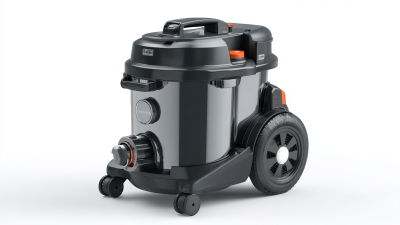
A wet dry vacuum is a commercial cleaning machine designed to collect dust, debris, and liquid spills. It combines strong suction with separate internal systems for dry and wet materials. This makes it useful in warehouses, restaurants, workshops, offices, and property maintenance. A dry vacuum may struggle with spilled water. A wet dry model handles both tasks with less equipment switching.

In daily use, cleaners can remove crumbs from carpet, then collect water near an entrance. Many models include large tanks, durable hoses, floor tools, and washable filters. These features support repeated cleaning across broad areas. However, performance depends on correct setup. Some units require filter removal before liquid collection. Others need a foam sleeve or special wet filter. Always check the operating instructions before changing modes.

Tips: Empty the tank before it becomes heavy. Rinse it after collecting dirty water. Keep the hose clear of cloth and loose cords. Inspect seals for cracks. A small leak can reduce suction quickly.

Good commercial practice also includes separating hazardous dust from ordinary debris. Cleaning staff should wear suitable protective equipment when conditions require it. Wet floors need clear warning signs until fully dry. That detail is easy to overlook during busy shifts. I have found that speed can create mistakes, especially when operators rush between surfaces. A short inspection often prevents blocked filters, unpleasant odors, and repeated work. Not every wet dry vacuum suits every building, so tank size, noise level, suction power, and storage space deserve careful comparison.

How Wet Dry Vacuums Handle Different Commercial Messes

Why Choose a Wet Dry Vacuum for Commercial Cleaning?

Commercial messes rarely stay purely wet or dry. A wet dry vacuum handles tracked-in mud, spilled drinks, restroom overflow, dust, paper scraps, and fine debris with the right attachments. A squeegee nozzle pulls water from tile joints, while a dry filter captures grit from entry mats. This flexibility can reduce equipment changes during busy shifts. OSHA’s Walking-Working Surfaces standard requires workplace floors to remain clean and, where feasible, dry. That matters because the 2023 Liberty Mutual Workplace Safety Index estimated same-level falls cost U.S. employers about $10.7 billion in 2021.

Moisture also needs quick control. The U.S. Environmental Protection Agency advises drying water-damaged areas within 24 to 48 hours to limit mold growth. In practice, crews should isolate the wet area, remove standing water, and inspect corners beneath shelving. Small leaks hide there. A float shutoff helps prevent liquid entering the motor, but operators still need to monitor the tank. Overfilling is an avoidable mistake.

Dry recovery requires careful filter selection. Fine dust can quickly restrict airflow, reducing pickup performance. Wet recovery requires removing incompatible dry filters and checking hoses for blockages. Unknown chemicals, combustible dust, and contaminated liquids require specialized procedures, not a standard commercial vacuum. Even experienced teams sometimes treat one machine as universal. It is not. Cleaning logs, filter checks, and brief operator training make the equipment more reliable.

Key Features That Improve Cleaning Efficiency

Why Choose a Wet Dry Vacuum for Commercial Cleaning?

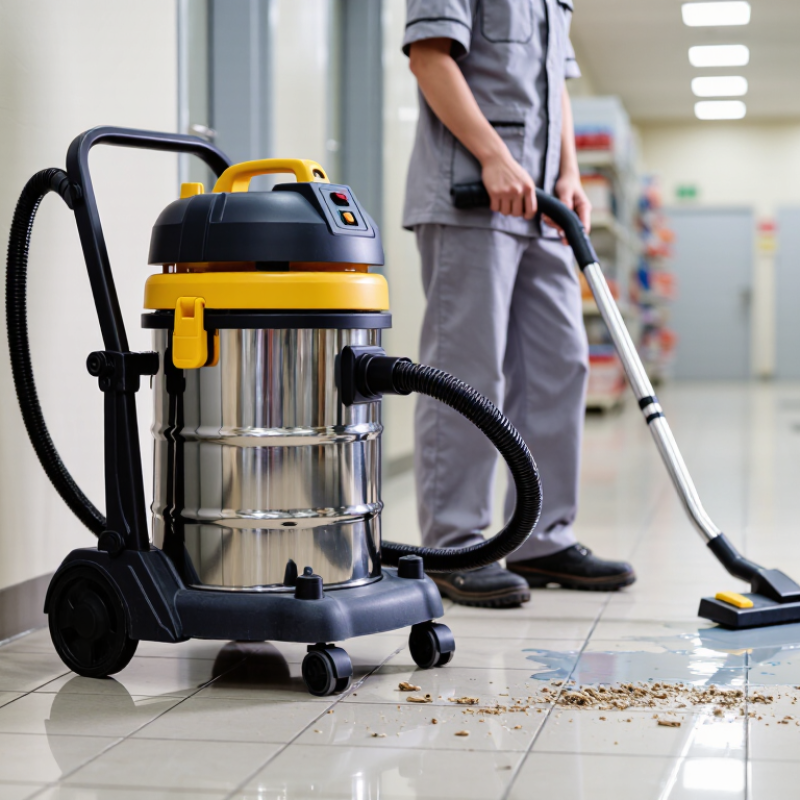
Commercial cleaning demands more than strong suction. A wet dry vacuum handles spilled drinks, tracked rainwater, dust, and dry debris with one machine. Its dual-mode design reduces equipment changes between tasks. That saves time in corridors, kitchens, workshops, and entry areas. A large recovery tank supports longer cleaning cycles, while an automatic shut-off helps prevent liquid overflow. Durable wheels and a long hose also improve movement around furniture and narrow spaces. Small details matter.

Filter performance affects both cleanliness and maintenance. A washable filter can reduce replacement costs, but it must dry fully before reuse. Fine-particle filtration helps capture dust during dry cleaning, especially near offices and storage rooms. However, no filter works well when it is overloaded. I have seen suction weaken halfway through a shift because routine inspection was skipped. That mistake is easy to repeat.

Tips: Empty the tank before it becomes heavy. Rinse wet-use parts after each shift. Check hoses for blockages and inspect the power cord. Match the nozzle to the surface. A squeegee head suits smooth floors, while a brush attachment lifts debris from textured areas. Record filter changes and unusual noise in a simple maintenance log. It takes little time. In busy facilities, quieter operation also matters because cleaning often happens near staff or customers. Always follow the equipment manual and site safety procedures.

Why Choose a Wet Dry Vacuum for Commercial Cleaning? - Key Features That Improve Cleaning Efficiency
Key Feature Typical Commercial Specification How It Improves Cleaning Efficiency Suitable Commercial Applications
Wet and Dry Pickup Handles both liquid spills and dry debris One machine can manage dust, dirt, water, and other non-hazardous spills, reducing equipment changes and interruptions during a cleaning shift. Multi-surface cleaning
Offices, retail areas, workshops, warehouses, and service corridors
Container Capacity Approximately 20–80 L for common commercial models A larger container allows operators to clean greater areas before emptying the unit, reducing disposal stops and improving workflow continuity. Large floor areas, event venues, facilities, and high-traffic buildings
Suction Performance Often specified by airflow and vacuum pressure; values vary by design and operating mode Strong, consistent suction helps remove embedded dry debris and recover spilled liquids more quickly, particularly from hard floors and textured surfaces. Entrances, loading zones, kitchens, utility rooms, and industrial floors
Filtration System Washable cartridge, cloth, foam, or high-efficiency filter options Appropriate filtration captures fine dust, protects the motor from debris, and helps maintain airflow. The filter must be selected for the type of material being collected. General dust removal, renovation cleanup, maintenance areas, and workshops
Automatic Float Shut-Off Common protection feature for wet pickup The float mechanism helps stop liquid from reaching the motor when the collection container is full, reducing overflow risk and protecting internal components. Spill response, washrooms, kitchens, laundries, and floor-care operations
Hose and Accessory Range Flexible hose with floor, crevice, brush, and wet-pickup tools Task-specific accessories improve reach and reduce the time needed to clean corners, edges, stairs, drains, upholstery, and different floor surfaces. Detailed cleaning, stairways, narrow spaces, machinery areas, and vehicles
Power Cable and Operating Reach Commercial units commonly use long power cables and extended hoses Greater operating reach reduces repeated unplugging and repositioning, which is especially useful in open areas and rooms with limited power outlets. Open-plan offices, schools, hotels, warehouses, and public facilities
Durable Construction Impact-resistant plastic or stainless-steel collection containers Robust construction is better suited to frequent transport, repeated emptying, and demanding commercial environments than lightweight household equipment. Daily professional use, workshops, construction cleanup, and facility maintenance
Mobility and Drainage Swivel casters, large rear wheels, carrying handles, and drain options on selected models Easy movement reduces operator effort, while a drain outlet can simplify the disposal of collected water without lifting a full container. Large facilities, wet-floor cleaning, basements, garages, and service areas
Noise Management Many commercial models are rated within approximately 65–80 dB(A), depending on design and operating mode Lower operating noise can make cleaning more practical during business hours and may reduce disruption in occupied buildings. Hotels, offices, healthcare environments, schools, and retail spaces
Maintenance Access Removable filters, accessible containers, and replaceable hoses or seals Simple maintenance shortens downtime, supports stable suction performance, and makes it easier to control odors and cross-contamination between tasks. Contract cleaning teams, facility departments, and multi-shift operations
Safety and Compliance Controls Thermal protection, grounded electrical design, and task-specific filter or waste-handling options Suitable safety controls help protect the operator and equipment. Hazardous, combustible, or contaminated materials require specially approved equipment and procedures. General commercial cleaning; specialized environments require a documented risk assessment
Specifications are typical commercial ranges and can vary by equipment design, operating mode, filter configuration, and local electrical requirements. Always verify the technical data sheet before selecting equipment for a specific cleaning task.

Choosing the Right Wet Dry Vacuum for Your Facility

Choosing the Right Wet Dry Vacuum for Your Facility

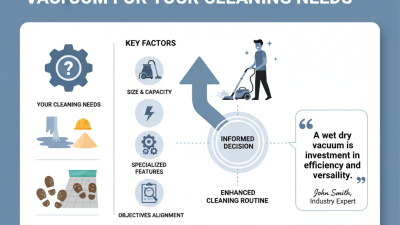
A wet dry vacuum should match your facility, not just its advertised power. A workshop may need strong suction for metal dust and spilled coolant. An office may need quieter operation, compact storage, and safer cable handling. Healthcare spaces require careful filtration, sealed tanks, and cleaning procedures that staff can follow consistently.

Check the tank size, hose length, attachments, and drainage system before making a decision. A large tank is not always better. It can become heavy and awkward during daily use.

Tips: Test the vacuum on your actual floor surfaces. Check how it handles carpet edges, tile grout, and shallow liquid spills. Ask operators to move it around narrow rooms. Their feedback often reveals problems that product sheets miss. Keep replacement filters and hoses available. Small delays can interrupt an entire cleaning schedule.

Think about maintenance as seriously as suction. A machine that is difficult to empty may be used less often. After wet cleaning, tanks should be drained, rinsed, and dried according to the operating instructions. Filters also need regular inspection, especially in dusty areas. I have found that staff sometimes choose speed over correct setup. That choice saves minutes, but may reduce cleaning quality. Noise levels, handle comfort, wheel stability, and storage space deserve equal attention. A practical trial remains the most reliable way to judge whether the vacuum fits your facility.

Safe Operation and Routine Maintenance Practices

Commercial wet-dry vacuums support faster recovery of spilled water, dust, and debris. Their value depends on disciplined operation, not suction power alone. The UK Health and Safety Executive reported that slips and trips caused about 30% of non-fatal workplace injuries in 2023/24. A wet floor left near a doorway can therefore become a serious maintenance failure.

Operators should inspect the cable, plug, hose, filters, tank, and wheels before every shift. Use the correct filter for dry debris, and remove it when the machine is designed for liquid pickup. Never vacuum flammable liquids, hot ash, or unknown chemicals. Keep the power connection away from standing water. OSHA guidance also stresses suitable electrical protection and equipment inspection in wet work areas. Stop immediately if the motor sounds strained or airflow drops.

Routine care should happen after each use. Empty the tank, rinse it, and leave the lid open until fully dry. Clean the float shutoff and check the seal for cracks. A blocked filter can increase heat and reduce collection efficiency. It may also encourage operators to keep working when the machine is unsafe. That habit needs challenging. HSE inspection data repeatedly links poor housekeeping with preventable incidents. A simple log should record damage, filter changes, cleaning, and repairs. The weak point is often consistency. Even a well-designed vacuum cannot compensate for rushed checks or wet cables dragged across busy walkways.

Why Choose a Wet Dry Vacuum for Commercial Cleaning?

Safe operation and routine maintenance help reduce equipment downtime, protect operators, and maintain consistent cleaning performance.

Recommended inspection intervals are general commercial cleaning practices. Always follow the specific equipment manual and workplace safety requirements.

Go to Top