10 Tips for Choosing Carpet Cleaning Equipment

Choosing carpet cleaning equipment is not just a matter of comparing prices or checking motor power. The wrong machine can leave carpets damp, push soil deeper, or slow a job with repeated passes. Small details matter. A stair nozzle, accessible filters, and a manageable tank can change how a machine performs during a long workday.

The U.S. Environmental Protection Agency’s guide to indoor air quality notes that concentrations of some indoor pollutants can be two to five times higher than outdoor levels. That figure does not mean every carpet is a health hazard. It does underline why careful cleaning, proper drying, and suitable equipment deserve attention. For performance guidance, the Carpet and Rug Institute’s Seal of Approval program tests cleaning products and equipment against defined criteria, including soil removal and water recovery. The Institute of Inspection, Cleaning and Restoration Certification also publishes the ANSI/IICRC S100 standard for professional textile-floor-covering cleaning.

These 10 tips translate that guidance into practical buying checks. Consider the carpet types you clean, expected job volume, available power, maintenance needs, and operator comfort. Look beyond impressive specifications. A machine may look powerful on paper and still be awkward to move through a narrow hallway. That is easy to overlook. I have to admit that no checklist can replace hands-on testing, and manufacturer claims should be checked against independent performance information. Choose equipment that suits real jobs, not an idealized one.
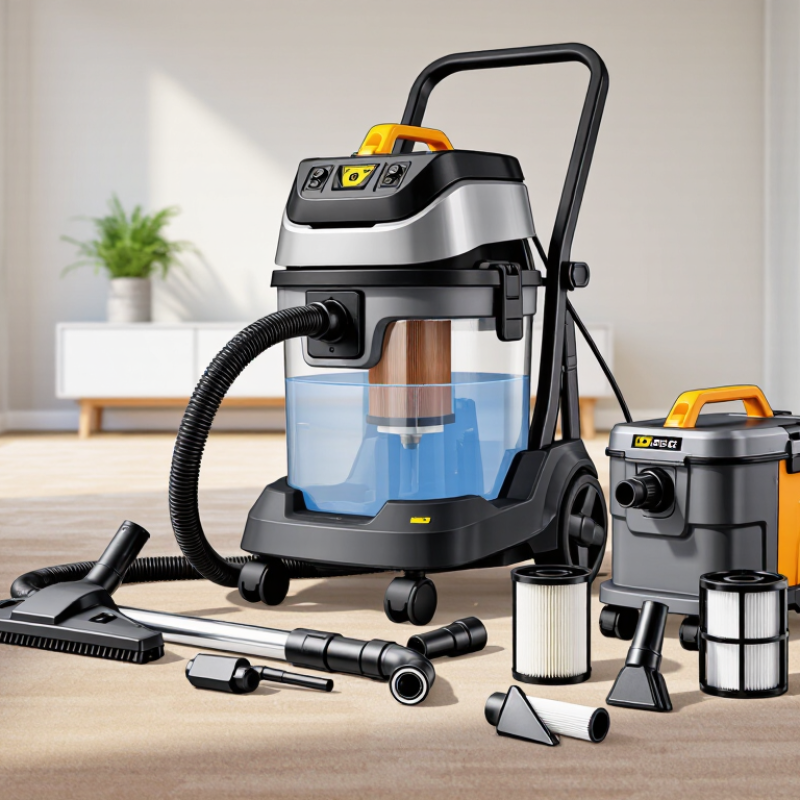
10 Tips for Choosing Carpet Cleaning Equipment

Identify Carpet Types and Cleaning Requirements

Identify the carpet fiber, backing, pile height, and soil before choosing a machine. Wool and other natural fibers may react poorly to high heat or strongly alkaline solutions. Synthetic fibers can tolerate different methods, but blends, dyes, and backing still affect the safe settings. Check the carpet’s care instructions and test an inconspicuous patch. Small test patch first.

Match equipment to the actual cleaning need. Deep soil in dense carpet may call for hot-water extraction, while delicate fibers or lightly soiled areas may need lower moisture and gentler agitation. The Carpet and Rug Institute’s Seal of Approval program evaluates cleaning performance and carpet appearance retention, useful criteria when comparing equipment. I still double-check the care label; fiber names alone do not tell the whole story.

Moisture recovery matters, too. The U.S. Environmental Protection Agency’s A Brief Guide to Mold, Moisture and Your Home advises drying wet materials within 24–48 hours to help limit mold growth. That makes extraction strength and airflow practical selection factors, especially in humid rooms. Ask whether the machine can remove enough water for your carpet construction, rather than judging it by cleaning power alone. A quick visual check can miss damp backing.

Compare Equipment Types and Cleaning Methods

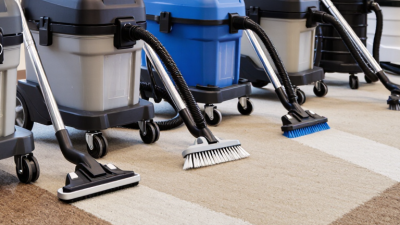
Choosing carpet-cleaning equipment starts with matching the method to the soil, carpet, and drying conditions. Hot-water extraction uses heated solution and suction to remove embedded soil; portable extractors suit small rooms and stairs, while truck-mounted units can handle larger areas but need vehicle access. Low-moisture encapsulation uses less water and can return spaces to use sooner. It is useful for routine maintenance, but may not remove heavy, deep soil as thoroughly. Bonnet machines can refresh the surface quickly. They are not a substitute for periodic deep cleaning.

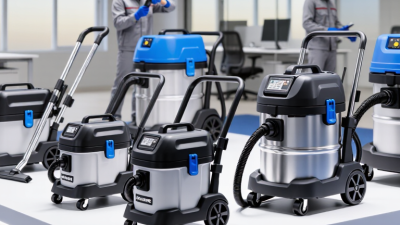
Check more than the machine’s advertised power. Compare water recovery, airflow, tank capacity, operator control, and whether the carpet manufacturer allows the proposed method. The Carpet and Rug Institute’s carpet-care guidance recommends professional cleaning every 12 to 18 months, adjusted for traffic and use. That is a useful planning interval, not a rule for every home. Drying matters, too. The U.S. Environmental Protection Agency’s Mold Remediation in Schools and Commercial Buildings advises drying wet materials within 24 to 48 hours to help prevent mold growth. A practical check: inspect a test patch and confirm it dries evenly. I still find drying time easy to underestimate. Choose equipment your team can operate consistently, not just the most powerful unit.

Evaluate Cleaning Performance and Essential Features

Evaluate cleaning performance on more than a glossy showroom floor. The Carpet and Rug Institute’s Seal of Approval testing assesses soil removal, water recovery, and carpet appearance after cleaning. Ask for test results on the carpet types you actually service. A machine that lifts grit but leaves damp, flattened pile is not a complete solution.

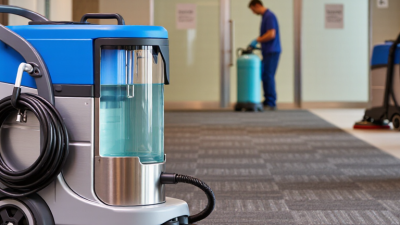
Tip: Test before you buy. Run the machine over a marked patch of carpet, then check for leftover soil, streaks, and moisture. The U.S. Environmental Protection Agency advises drying wet materials within 24–48 hours to help prevent mold growth. Strong water recovery matters. So do practical details: adjustable brush height, clear recovery tanks, easy-to-reach filters, and a power cord long enough to avoid repeated outlet changes.

Check noise, weight, and service access during a real work cycle. A heavy unit may clean well, but it can be tiring on stairs; I learned that the hard way. Compare airflow and extraction claims with independent test data, not just sales language. Also inspect how quickly the machine returns to service after emptying and refilling. Small delays add up, especially in busy rooms. Keep the test notes; memory gets optimistic.

10 Tips for Choosing Carpet Cleaning Equipment

Evaluate Cleaning Performance and Essential Features

Use these suggested checklist points to compare equipment consistently. They add up to 100 points and represent an evaluation framework, not product test results. Prioritize soil removal and cleaning coverage, then consider drying time, capacity, and ease of upkeep.

Assess Ease of Use, Maintenance, and Operating Costs

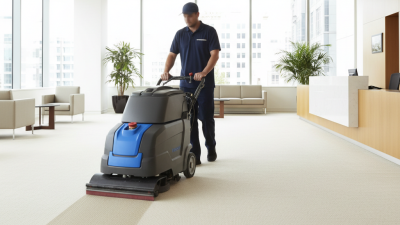
A carpet cleaner should be easy to operate during a busy shift, not just impressive in a showroom. Test it on a carpet sample if possible. Notice how easily it turns around a chair leg, reaches beneath a table, and handles a full recovery tank. Check whether controls are clear and whether the machine feels manageable when pushed across thicker carpet. A heavy unit may clean well but slow down staff on stairs or in crowded rooms. Small details matter. Can one person remove the tank without spilling? Is the power cord long enough to avoid repeated unplugging? These questions reveal more than a feature list.

Maintenance affects both cleaning results and operating costs. Look for accessible filters, simple brush removal, and clear instructions for rinsing hoses after use. Ask how often parts such as seals or brushes need inspection, and whether replacements are readily available. Compare more than the purchase price: water and solution use, electricity, routine labor, repairs, and expected downtime all add up. A cheaper machine can cost more if it needs frequent service or takes extra time to clean after each job. It is easy to underestimate that daily cleanup. Still, cost estimates are only estimates; actual expenses depend on carpet type, workload, and how carefully staff maintain the equipment.

Check Safety, Durability, and Manufacturer Support

A carpet extractor works around water, power cables, and busy walkways, so safety deserves a hands-on check. The U.S. Bureau of Labor Statistics recorded 885 fatal workplace injuries from falls, slips, and trips in 2023. That figure covers all industries, not carpet cleaning alone, but it underscores why stable wheels, visible cord routing, and easy-to-reach shutoffs matter. Test the machine on a damp floor. Check that its plug, housing, and hoses show no damage, and follow the operating manual’s electrical and ventilation instructions.

Durability is easier to judge during a realistic demonstration than from a specification sheet. Run the unit over carpet, inspect the recovery tank and hose connections, then check how easily filters and brushes can be removed. Ask whether replacement parts are stocked and how long routine servicing usually takes. The Carpet and Rug Institute’s Seal of Approval program evaluates cleaning performance, water removal, and carpet appearance—useful criteria when comparing equipment. A polished demo can still hide awkward daily maintenance.

Noise is another practical safety detail. NIOSH estimates that about 22 million U.S. workers face hazardous noise each year. Ask for the equipment’s noise rating and consider the actual room where staff will use it. Before buying, get warranty terms, service contacts, and parts availability in writing. I think buyers sometimes trust “heavy-duty” labels too quickly; inspect the wheels and handle yourself. Support matters when the machine stops mid-shift.

Go to Top