7 Best Heated Carpet Extractors for Commercial Cleaning
Commercial carpets endure more than daily foot traffic. They absorb coffee, tracked-in grit, cleaning chemicals, and moisture from countless workdays. A heated carpet extractor can loosen embedded soil faster than cold-water systems. However, heat alone does not guarantee a cleaner result.
This guide examines seven heated carpet extractors for demanding commercial cleaning environments. The comparison considers water temperature, vacuum strength, tank capacity, recovery speed, hose reach, and operator comfort. These details matter when cleaning hotel corridors, office suites, schools, and busy retail spaces. A powerful machine may perform well on large carpeted floors. It may feel cumbersome in narrow rooms or on staircases.
The evaluation also considers practical ownership concerns. Look for durable fittings, accessible filters, clear controls, and dependable service support. A machine that cleans brilliantly but causes frequent downtime is not truly efficient. Noise levels deserve attention too, especially in occupied buildings. Some models advertise impressive heating performance, yet real results depend on dwell time, agitation, detergent choice, and extraction passes.
No machine is perfect. Even experienced technicians can leave carpets too wet when rushing the final passes. That mistake can create odors, delays, and customer complaints. For that reason, this list balances measurable specifications with real-world usability. It does not treat every manufacturer claim as equal. Instead, it highlights where each extractor excels, where it struggles, and which cleaning teams may benefit most. Read the comparisons carefully before choosing equipment for your workload, budget, and maintenance routine.
What Is a Heated Carpet Extractor and How Does It Work?
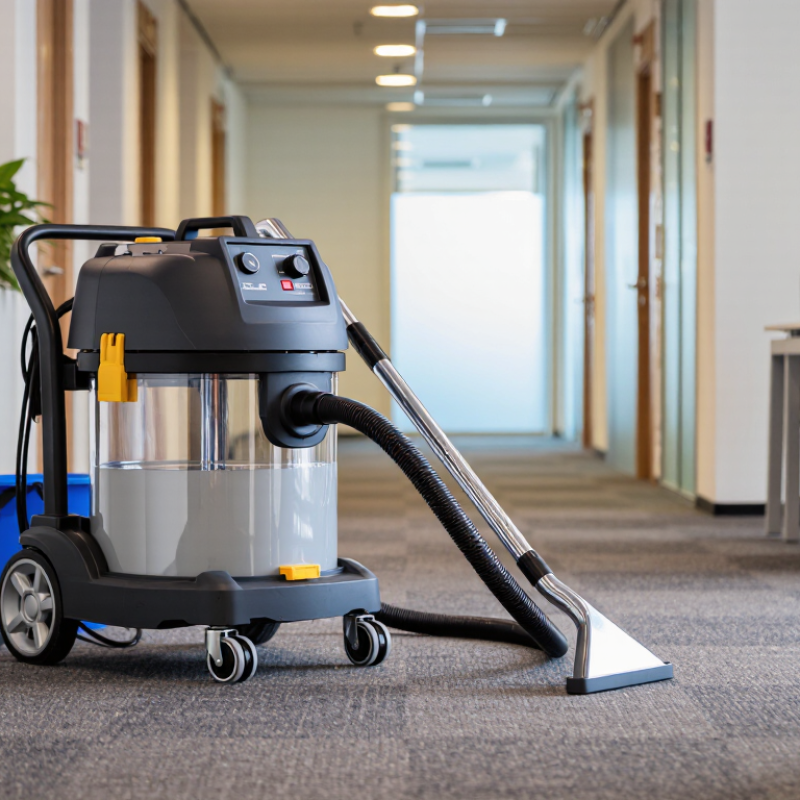
A heated carpet extractor is a commercial cleaning machine that combines hot water, cleaning solution, agitation, and powerful vacuum recovery. Unlike a standard extractor, it heats water inside the machine or maintains higher water temperatures during operation. This added heat helps loosen oily soil, embedded food residue, and tracked-in grime from carpet fibers.
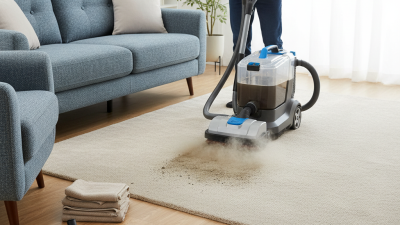
The process is straightforward. Heated solution sprays through a wand or rotating tool and penetrates the carpet pile. Agitation separates soil from individual fibers. The vacuum motor then lifts dirty water into a recovery tank. In practice, I have found that steady wand movement matters as much as temperature. Moving too quickly leaves moisture and soil behind. Excessive heat can also damage sensitive fibers, adhesive, or carpet backing. Always follow the carpet manufacturer’s care instructions and test a hidden area.
Tips: Pre-vacuum thoroughly, especially near entrances and under furniture edges. Use measured detergent, because extra solution can create sticky residue. Keep the spray passes controlled and make several slow vacuum-only passes. Check the recovered water; cloudy water may show that more extraction is needed. Drying should begin immediately with air movement. I sometimes underestimate drying time on dense carpet, particularly in humid rooms. That small mistake can affect odor, appearance, and customer satisfaction.
Key Features to Compare in Commercial Heated Carpet Extractors
Choosing among the 7 best heated carpet extractors starts with heat control, not maximum temperature. A stable 180–200°F solution temperature can loosen oily soil, but heat drops through hoses and tools. Look for adjustable thermostatic control, insulated lines, and a clear temperature display. A display alone proves little. I prefer testing recovery water after a ten-minute run. If the temperature swings sharply, cleaning results may become inconsistent.
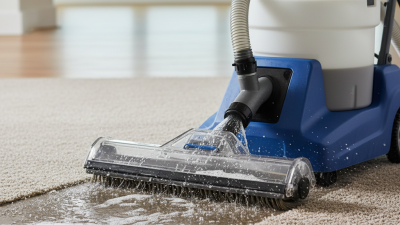
Vacuum performance deserves equal attention. Compare water lift, airflow, and recovery-tank capacity rather than relying on motor wattage. Strong extraction removes more moisture, reducing wicking and shortening drying time. A practical unit should recover water quickly from dense commercial carpet without leaving broad damp lanes. Check separate solution and waste tanks, wide drain ports, and automatic shutoff protection. These details matter during hotel corridors or busy office schedules.
Mobility can decide whether a capable machine gets used properly. Large wheels, balanced handles, and manageable hose length reduce strain on stairs and tight rooms. Examine cord length, noise level, tool width, and filter access before purchase. Some compact machines sacrifice tank capacity. That tradeoff may suit spot work, but frustrate crews on large floors. Ask for measured sound and drying tests, not vague performance claims. Include service access, replacement parts, warranty terms, and operator training materials in the comparison. Real crews notice these overlooked costs.
Seven Top Heated Carpet Extractors for Commercial Cleaning
Seven Top Heated Carpet Extractors for Commercial Cleaning
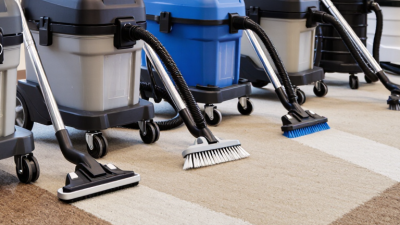
Commercial crews need heat, recovery power, and control. The seven strongest extractor choices usually fall into clear working styles: compact portable units, dual-motor portables, heated low-moisture systems, self-contained extractors, high-capacity recovery machines, truck-mounted systems, and battery-supported spot extractors. Each option serves a different building. A compact machine suits offices and narrow corridors. A high-recovery model fits hotels, schools, and busy retail floors.
Heat helps dissolve oily soil, but temperature alone does not guarantee cleaner carpet. The Carpet and Rug Institute’s Seal of Approval testing evaluates cleaning performance and water removal, both important measures for commercial work. EPA indoor-air guidance reports that indoor pollutant levels can be two to five times higher than outdoor levels. Thorough extraction matters when carpets hold dust, residues, and moisture. It also reduces the risk of slow drying.
Field experience reveals practical details. Look for adjustable heat, transparent recovery tanks, long hoses, and simple filter access. A quiet motor matters during occupied hours. Wheels should roll smoothly over door thresholds. Check recovery performance, not only tank size. Bigger is not always better. One weakness remains easy to overlook: heated systems can encourage over-wetting when operators chase visual results. Training, measured solution flow, and a moisture check still matter. The Occupational Safety and Health Administration emphasizes preventing slip hazards, so crews should cordon damp areas and document drying conditions. Equipment claims can sound impressive. Actual floor results deserve the final test.
How to Choose the Right Extractor for Different Carpet Types
7 Best Heated Carpet Extractors for Commercial Cleaning
Choosing the right heated extractor starts with identifying the carpet fiber, pile, and soil level. Different materials react differently to temperature, moisture, pressure, and cleaning chemistry. Nylon usually tolerates moderate heat and strong recovery, but excessive heat may set oily residues. Polyester resists many stains, yet it can release oily soil slowly. Olefin needs careful agitation because its low absorbency leaves soil near the surface. Wool requires more restraint, including lower temperatures, gentle chemistry, and rapid drying. Always check the carpet specification and test a hidden area first. That small test can reveal browning, dye bleeding, or texture changes.
Tips: Choose adjustable temperature, vacuum pressure, and flow controls. Match the cleaning head to the carpet pile. Use slow, overlapping passes, followed by dry passes without spraying. Shorter is safer. In busy buildings, check moisture before reopening rooms. A damp carpet can develop odors and attract fresh soil. Record the settings used for each carpet type, especially in schools, hotels, and offices.
I have learned that hotter is not automatically cleaner. Heat can improve soil removal, but it can also damage backing, soften adhesives, or leave fibers distorted. A reliable operator balances temperature with dwell time, agitation, and extraction strength. For delicate carpets, a lower setting with extra vacuum recovery may work better. For heavily soiled synthetic carpet, controlled heat and repeated passes can be practical. No extractor performs perfectly on every surface. Reviewing results under bright light helps identify what should change next time.
Selection note: Always follow the carpet manufacturer’s care instructions. Heat, pressure, and moisture settings should be tested in an inconspicuous area first, especially on wool, dyed fibers, older carpet, and glued installations.