
What Is Translucent Glass Used For?

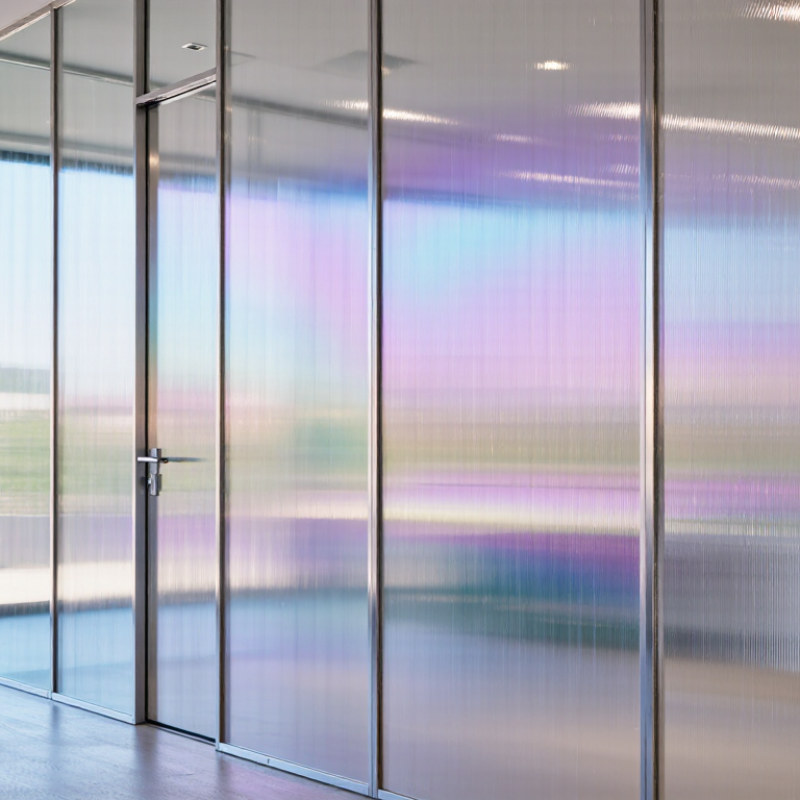
Translucent Glass lets daylight pass while softening clear views through a pane. It is not fully transparent, yet it is not completely opaque. The effect depends on the glass itself: etched, patterned, textured, or laminated surfaces scatter light in different ways. A bright room can still feel open. Details beyond the glass become blurred.

That balance makes Translucent Glass useful in bathrooms, office partitions, entry doors, and interior screens. In a bathroom, it can bring daylight into a shower area while reducing direct visibility. In a workplace, it can separate meeting spaces without making them feel boxed in. It also appears in cabinet doors and decorative panels, where light and texture matter as much as privacy. Small differences matter.

The right choice depends on the room, lighting, and desired level of privacy. A sample viewed at home may look different from one shown under a showroom’s bright lights. Some finishes soften silhouettes but still reveal movement, especially when a room is lit from behind. That detail is easy to overlook. Glass thickness, framing, cleaning needs, and safety requirements also affect suitability. Check product specifications, and consult a qualified glazing professional for installations where impact resistance or building requirements matter. Translucent Glass can solve a practical design problem, but it cannot guarantee complete privacy. Its performance deserves a real-world check.
What Is Translucent Glass Used For?

How Translucent Glass Diffuses Light in Everyday Spaces

Translucent glass lets daylight travel while blurring sharp views. In a bathroom, it can brighten a shower without exposing the room to the hallway. In an office, a frosted panel can soften sunlight across a desk and reduce the hard contrast between a bright window and a dim screen. The room feels calmer. Its surface scatters incoming light, so the glow spreads rather than forming a clear beam. The effect depends on glass texture, thickness, and the direction of the sun; it does not guarantee even lighting.

The International Energy Agency’s 2023 Global Status Report for Buildings and Construction estimates that the sector used 34% of global energy demand and produced 37% of energy- and process-related CO2 emissions in 2022. Those figures do not prove that translucent glass saves energy. They do underline why daylight and lighting choices deserve attention. Pairing diffuse glazing with suitable shading and well-placed electric lights can help manage glare and reduce the need for artificial light during some hours. Still, privacy glass may also cut useful daylight, especially in a deep room. A small sample beside the actual window often reveals more than a showroom display. I would not assume “soft light” means “enough light.”

What Is Translucent Glass Used For? — How Translucent Glass Diffuses Light in Everyday Spaces

Glass Type or Treatment How It Diffuses Light Common Uses Privacy and Design Considerations
Acid-etched or sandblasted glass A finely textured surface scatters transmitted light, softening sharp highlights and views. Bathroom screens, interior doors, office partitions, and cabinet panels. Usually obscures clear views while allowing daylight through. Privacy depends on the glass design, lighting, and viewing distance.
Patterned or obscure glass A molded or textured pattern refracts and scatters light, making objects behind the glass less distinct. Bathroom windows, entry doors, sidelights, and decorative interior glazing. Patterns vary in how much detail they conceal; check a sample from both sides before choosing.
Opal or diffusing glass Light is dispersed through the material, producing a more even glow and reducing the visibility of a direct light source. Light fixtures, illuminated panels, and backlit architectural features. Useful where a softer appearance is wanted; the amount of light transmitted varies by product and thickness.
Translucent glass blocks The block’s textured faces scatter light as it passes through the wall or partition. Bathroom walls, stairwells, privacy screens, and selected interior partitions. Can bring daylight into a space while limiting direct views. Block size and layout affect the overall appearance.
Translucent interior partitions Frosted or patterned panels spread light between adjacent areas rather than creating a clear sightline. Offices, meeting rooms, entry areas, and shared living spaces. Helps maintain a sense of openness while screening details; it does not necessarily provide acoustic privacy.
Translucent shower enclosures Textured or etched glazing diffuses bathroom light while softening visibility through the enclosure. Shower doors and fixed shower screens. Choose glazing intended for the application and follow applicable safety-glazing requirements.

Practical note: Translucent glass transmits light but scatters it, so it does not provide the same clear view as transparent glass. Privacy levels vary by product and lighting conditions.


Where It Provides Privacy While Preserving Natural Light

Translucent glass softens a view without blocking daylight. It scatters incoming light, so a hallway or bathroom can feel brighter than it would behind an opaque wall. Shapes may remain visible, but faces and small details are usually less distinct. The level of privacy depends on the glass texture, viewing distance, and light on each side.

This makes it useful for bathroom windows, shower screens, entry doors, and interior partitions. A textured panel beside a front door can brighten an entry while obscuring people passing outside. In an office, a translucent divider lets daylight travel across the room but gives someone at a desk a little visual separation. Not complete privacy. At night, a brightly lit room may reveal silhouettes to someone outside, especially when the exterior is dark.

Before choosing a panel, view a sample at different times of day and from both sides. Check it from the distance where someone might actually stand. A fine, pale texture may look private up close, yet feel surprisingly revealing across a short path. For bedrooms or street-facing bathrooms, a curtain or another privacy layer may still be needed. Light changes the result, and that part is easy to underestimate.

What Is Translucent Glass Used For?

Where it provides privacy while preserving natural light

Translucent glass is commonly used in bathrooms, office partitions, entryways, and other spaces where diffused daylight and reduced direct visibility are useful. The ranges shown are indicative, not product specifications: transmission varies with glass thickness, texture, coatings, and lighting. Translucent glass does not necessarily provide privacy at night when a space is brightly lit.

Architectural Uses in Windows, Doors, and Partitions

Translucent glass admits daylight while softening clear views, making it useful where people need light and visual separation. In offices, it can divide meeting rooms without creating a fully enclosed feel. In bathrooms and entry doors, patterned or frosted panels screen direct views while brightening interior spaces. The U.S. Energy Information Administration’s 2018 Commercial Buildings Energy Consumption Survey reports that lighting accounts for about 17% of commercial buildings’ energy use. Daylight can support thoughtful lighting design, but glass alone does not guarantee lower energy consumption.

For windows, translucent glazing works well in stairwells, corridors, and street-facing rooms where clear views are less important. In doors, narrow glazed panels can bring light into dim entrances while limiting sightlines. Interior partitions use it to define work areas without blocking light across an entire floor. Choose the degree of diffusion carefully: a fine satin finish feels calm, while a pronounced texture can become visually busy. One trade-off is easy to miss: at night, bright rooms may reveal silhouettes through some translucent glass. Check privacy under both daylight and evening lighting, and specify suitable safety glazing for doors and other impact-prone locations.

Tips: View a full-size sample near the intended window or partition. Check it from both sides, with lights on and off.

Interior Uses in Furniture, Lighting, and Decorative Features

Translucent glass brings light into a room while softening what can be seen through it.
In furniture, it works well for cabinet doors, sideboards, and desk dividers. You can glimpse shapes behind the glass without seeing every item clearly. It softens the view. Ribbed or frosted finishes also add texture, though they may make colors and objects look slightly different. For tabletops, check that the glass thickness and edge treatment suit the furniture’s design and use.

In lighting, translucent glass spreads a bulb’s glow more evenly than clear glass.
A pendant shade can cast a gentle wash across a dining table, while a frosted bedside lamp reduces harsh glare. The effect depends on the glass finish and light source; some surfaces still show bright spots. Decorative uses include room screens, bathroom panels, and feature inserts in doors. These details can create separation without making a space feel closed off.

Tips: View a sample in both daylight and evening light before choosing a finish. Clean textured glass carefully, since dust can settle in grooves. For panels near heat or areas prone to impact, ask a qualified glass professional about suitable glass types and installation. Translucent glass offers privacy, but it should not be assumed to provide complete visual concealment.

Practical Factors for Choosing Translucent Glass

Translucent glass can bring daylight into bathrooms, office partitions, and interior doors while softening direct views. But “private” does not mean fully concealed. A bright room behind the glass may still show silhouettes, especially at night when the room is lit and the outside is dark. Check a sample in the actual space, at different times of day. Small samples can be misleading.

Think about how much light the room needs, then compare the glass’s texture and privacy level. Heavily patterned glass may obscure detail well, but it can also make a narrow hallway feel dim. Smooth, lightly frosted glass often looks calmer, though fingerprints and cleaning streaks may show more. There is no perfect option. That trade-off is easy to overlook.

Practical details matter, too. Ask whether the panel needs to be tempered or laminated for its location, and confirm that the frame can support its weight. In showers or kitchens, consider water marks, soap residue, and how easily both sides can be reached for cleaning. Samples help, but so does checking the installer’s measurements and the opening’s ventilation needs. A beautiful panel can still feel wrong if it blocks a useful sightline or makes a small room gloomy.

Go to Top