
What Types of Harbor Cranes Are Available?

Harbor Cranes shape how quickly cargo moves between ships, quays, and storage areas. Yet no single crane suits every port. Vessel size, cargo type, quay strength, available space, and operating patterns all influence the choice. A container terminal handling large vessels has different needs from a multipurpose port unloading project cargo or bulk materials.

The scale of global shipping makes these decisions consequential. UNCTAD’s Review of Maritime Transport 2024 reports that maritime trade volumes grew by 2.4% in 2023. That figure describes industry activity, not crane demand directly, but it helps explain why ports scrutinize handling capacity and equipment flexibility. The World Bank and S&P Global’s Container Port Performance Index also evaluates port performance using vessel time in port, highlighting how operational processes affect turnaround. Equipment is only one part of that picture. Still, the right machine can support smoother cargo handling when it matches the site and workload.

This guide compares the main types of Harbor Cranes, including ship-to-shore gantry cranes, mobile harbor cranes, portal cranes, and floating cranes. It outlines where each type is commonly used, what it can handle, and which practical trade-offs buyers should examine. Some categories overlap in real operations. That can make selection less tidy than a catalog suggests. A crane that looks versatile on paper may not fit a constrained quay, and I would treat rated capacity as a starting point—not the whole answer.
What Types of Harbor Cranes Are Available?

How Harbor Cranes Are Classified

Harbor cranes are commonly classified by how they move, where they operate, and what they lift. Mobile harbor cranes travel on wheels between berths, then use outriggers to distribute their weight across the quay. They can handle varied cargo, but need firm ground and room to set up. Details matter.

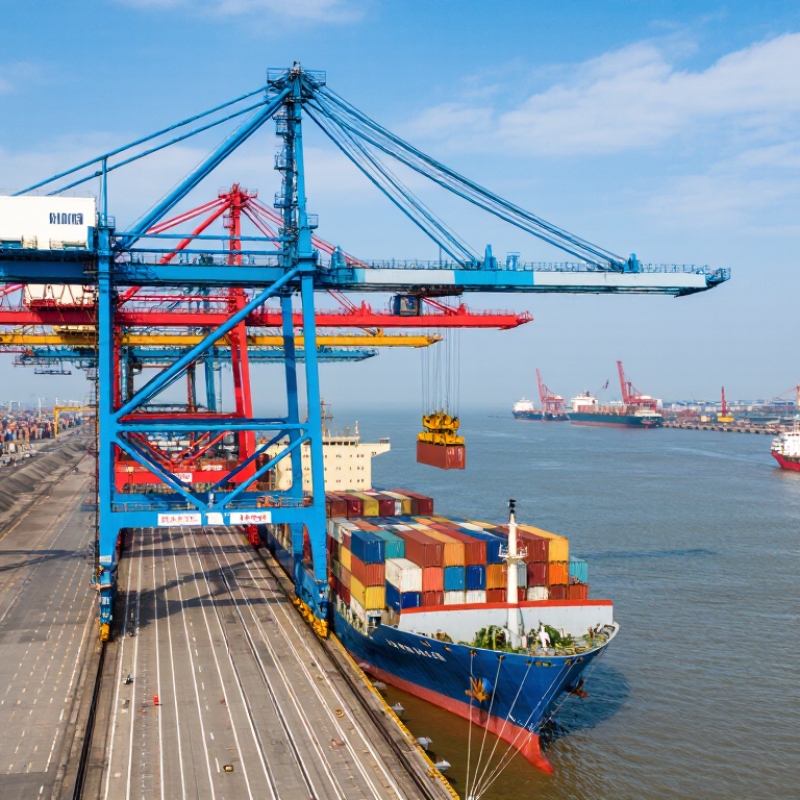
Rail-mounted quay cranes run along fixed tracks at dedicated terminals. Their long booms reach across a vessel, while trolleys and spreaders transfer containers between ship and shore. Ship-to-shore cranes are a specialized group, often recognized by their tall gantry and waterside boom. Bulk terminals may use grab cranes or continuous unloaders to move grain, coal, or aggregate into hoppers.

Another useful classification is by cargo: containers, break-bulk items, or loose bulk material. Floating cranes are mounted on barges and can work where shore access is difficult. They offer positioning flexibility, though vessel movement can complicate precise lifts. These categories overlap more than they first appear. A crane’s mounting type does not always reveal its best use. Operators and planners also compare lifting capacity at working radius, duty cycle, wind limits, and quay strength before selecting equipment. Labels are only a starting point.


Ship-to-Shore and Rail-Mounted Gantry Cranes

Ship-to-shore (STS) cranes lift containers between a vessel and the quay. Their long booms reach across the ship, while a trolley carries each container to or from the wharf. They suit busy container terminals handling large vessels, but require substantial quay space and infrastructure. A mismatch between crane outreach and a ship’s dimensions can limit operations. A tight fit.

Rail-mounted gantry (RMG) cranes run on fixed rails, typically stacking containers in yard blocks and transferring them between trucks or rail wagons. Their guided paths support orderly, repeatable movements, though fixed rails offer less layout flexibility. UNCTAD’s Review of Maritime Transport 2024 reported that global containerized trade grew by 0.3% in 2023 and forecast 3.5% growth in 2024. That demand makes coordination between quay cranes and yard equipment important; buying faster cranes alone may not remove a bottleneck.

Tips: Match STS outreach and lifting capacity to the vessels and containers you actually handle. For RMGs, check rail alignment, ground conditions, and truck access before finalizing the yard plan. The World Bank and S&P Global’s 2023 Container Port Performance Index assessed 405 ports using vessel time in port, a useful reminder that total port performance depends on more than crane speed. Measure transfer delays at your own terminal, too. The data can be imperfect.

Mobile Harbor Cranes and Floating Cranes

Mobile harbor cranes move along a quay on wheels or rails, serving different berths as cargo needs change. Their interchangeable attachments can handle containers, bulk materials, and general cargo. A terminal manager should check lifting capacity at the required outreach, not just the maximum load. A longer reach can reduce safe lifting capacity. UNCTAD’s Review of Maritime Transport 2024 reports that global maritime trade grew by 2.4% in 2023. That growth does not dictate crane choice, but it highlights why flexible port equipment can be valuable. Still, mobility brings trade-offs: repositioning, ground conditions, and maintenance all affect daily availability.

Floating cranes operate from barges or specialized vessels, lifting cargo where a fixed quay crane cannot reach. They can support ship-to-ship transfers, heavy lifts, or work beside a shallow or damaged berth. The water is not a stable work platform. Wind, swell, current, mooring, and vessel draft can narrow the safe operating window. Before hiring one, operators should compare the lift plan with the crane’s load chart and confirm access for support vessels. I would not select by headline capacity alone. A modest lift near a crowded berth may demand more planning than a heavier lift in sheltered water.

Specialized Cranes for Containers and Bulk Cargo

What Types of Harbor Cranes Are Available?
Specialized Cranes for Containers and Bulk Cargo

Container terminals commonly use ship-to-shore cranes to lift boxes between vessels and quay. Their long booms reach across wide ships, while trolley systems move containers toward the dock. Operators select lifting gear for container dimensions and rated loads. Smooth alignment matters. A small swing can delay the next lift. Mobile harbor cranes offer more flexibility where vessel calls or berth layouts change, though their setup and repositioning still require careful planning.

Bulk cargo needs different equipment. Grab cranes scoop materials such as grain, ore, or aggregate, then discharge them into hoppers or onto conveyors. Enclosed grabs can help limit dust, while grab size and cycle rate affect throughput. Some terminals use continuous unloaders for steady flows, but these systems suit particular cargoes and layouts. There is no universal best choice.

The details count. A crane’s outreach, lifting capacity, quay strength, vessel size, and local wind conditions should be checked together. Maintenance access and operator visibility also affect daily performance. In practice, capacity figures alone can mislead; cargo flow and berth constraints are easy to underestimate. A well-matched crane reduces unnecessary handling, but the final specification should follow a site assessment and realistic operating data.

What Types of Harbor Cranes Are Available? - Specialized Cranes for Containers and Bulk Cargo

Typical applications and capacities are indicative only. Actual performance depends on crane configuration, cargo properties, vessel dimensions, operating radius, and terminal conditions.

Crane Type Primary Cargo How It Handles Cargo Typical Capability Best-Suited Application
Ship-to-Shore (STS) Container Gantry Crane Containerized cargo A trolley-mounted spreader lifts containers between a vessel and the quay. Commonly handles one or two containers per lift, depending on spreader arrangement. Outreach is selected to suit the vessels served. High-volume container terminals requiring direct ship-to-quay transfer.
Mobile Harbor Crane Containers, general cargo, and bulk cargo A wheeled crane uses interchangeable attachments such as a container spreader, hook, or grab. Maximum lifting capacity varies substantially by model and working radius; capacity decreases as the load is handled farther from the crane. Multipurpose ports, smaller terminals, and berths that handle different cargo types.
Rail-Mounted Gantry (RMG) Crane Containers A gantry travels on rails and uses a spreader to lift and stack containers in the terminal yard. Configured for yard stacking and intermodal transfer; stacking height and span depend on the terminal layout. Container yards with fixed operating lanes, including rail and barge interfaces.
Rubber-Tyred Gantry (RTG) Crane Containers A rubber-tyred gantry moves between container rows and lifts containers with a spreader. Yard capacity and stacking arrangement depend on the crane’s span, stacking height, and container-row layout. Container yards that need flexible movement between storage blocks.
Grab-Type Bulk Ship Unloader Coal, aggregates, ores, grain, and other dry bulk A crane suspends a clamshell grab to scoop material from the vessel hold and discharge it to a hopper or receiving system. Grab volume and hourly throughput vary with material density, grab size, vessel access, and operating cycle. Ports handling several bulk commodities or requiring flexible equipment.
Continuous Bucket-Elevator Ship Unloader Dry bulk such as grain, fertilizer, and some ores A continuous chain or bucket system picks up material in the hold and transfers it to a conveyor. Designed for continuous material flow; throughput depends on the machine design and the material being handled. Regular, high-volume bulk unloading where continuous operation is beneficial.
Pneumatic Ship Unloader Free-flowing dry bulk such as grain, cement, and similar powders Vacuum or pressure conveys material through pipelines from the vessel to a shore-side receiving point. Performance depends on material characteristics, pipeline length, and conveying-system configuration. Dust-sensitive cargoes and terminals using enclosed conveying systems.

How Harbor Crane Types Differ in Port Operations

At a container berth, ship-to-shore cranes lift containers between vessels and the quay. Their long booms reach across wide ships, while their rails keep them aligned with the berth. They suit terminals handling frequent container calls, but their fixed position limits flexibility. A crane cannot simply follow work to another dock.

Mobile harbor cranes offer a different trade-off. Mounted on wheels, they can serve several berths and handle containers, breakbulk, or some bulk cargo with suitable attachments. That flexibility helps smaller or mixed-cargo ports, though repositioning takes time and lifting capacity varies by configuration. It is easy to overrate mobility; a narrow quay or crowded apron can still restrict movement.

Inside the yard, rubber-tired or rail-mounted gantry cranes move and stack containers. Rubber-tired units can change lanes, while rail-mounted versions run on fixed tracks and serve defined rows. Bulk terminals may use grabs or specialized unloaders to transfer loose cargo into hoppers or conveyors. The right choice depends on vessel size, cargo flow, ground strength, and available space. Port plans rarely fit perfectly. A workable crane layout may still create bottlenecks when trucks arrive in uneven waves.

Go to Top