Top Uses for Double Ended Dowel Pins in Global Manufacturing?
The manufacturing industry constantly seeks efficiency and reliability in assembly processes. Among the tools that facilitate this are Double-Ended Dowel Pins. These pins serve a vital role in creating strong, aligned connections in various applications. Their design is simple yet effective, providing a means to secure components with precision.
Double-Ended Dowel Pins find extensive use in furniture assembly, automotive production, and machinery construction. They help create joints that withstand vibrations and stresses. In furniture, these pins ensure durability and structural integrity. In the automotive sector, they are critical for aligning engine components accurately. The versatility of these pins is evident across different industries, underscoring their importance.
However, the effectiveness of Double-Ended Dowel Pins can vary based on the quality of materials and manufacturing processes. Not all pins are created equal. It is essential for manufacturers to invest in high-quality pins. This can prevent failures during assembly and use, ultimately ensuring reliability. Companies should continuously evaluate their supply chains. This reflection can lead to improved standards in production processes and better end products.
Key Characteristics of Double Ended Dowel Pins in Manufacturing
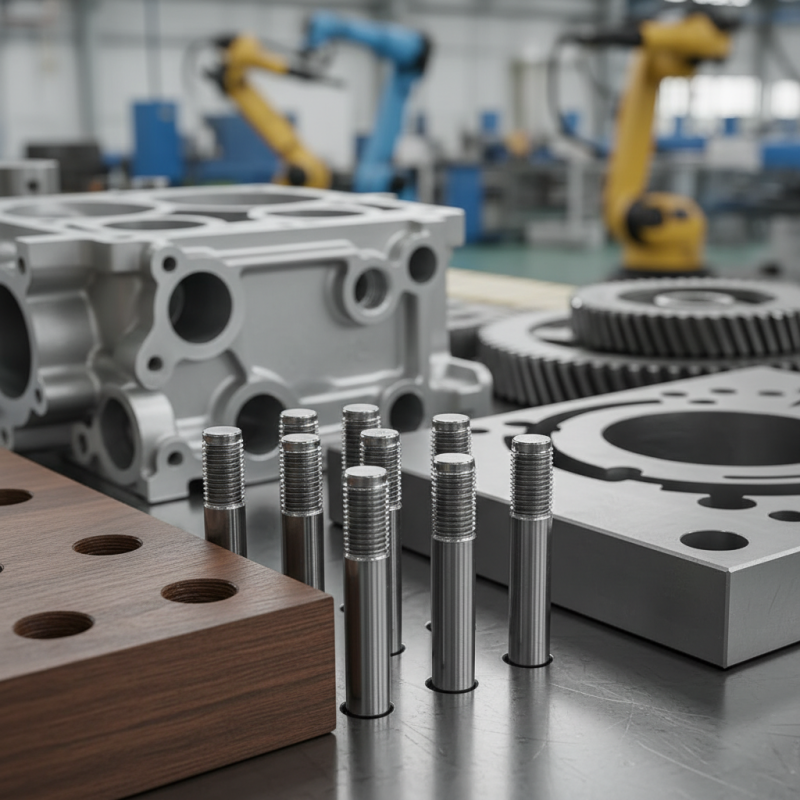
Double ended dowel pins are essential items in global manufacturing. Their design features a cylindrical body with a pin on both ends. This simple yet effective structure allows for precise alignment and secure fastening of various components. Their versatility makes them suitable for wooden, metal, and plastic applications.
One key characteristic of double ended dowel pins is their ease of use. They often require minimal preparation and can easily fit into pre-drilled holes. Their consistent diameter ensures that they provide a strong and stable joint. However, it is essential to select the right size and material for the specific application. A mismatch may lead to weak joints or installation issues.
**Tip:** When selecting dowel pins, consider the material of the surrounding components. Metal dowels may not be suitable for soft woods, leading to splits.
The reliability of these pins lies in their straightforward design. However, manufacturers should regularly inspect their dowel pins for signs of wear or damage. It's important to address these issues promptly to maintain structural integrity.
**Tip:** Keep an inventory of different sizes to streamline your production process. This practice can avoid delays caused by misalignment or compatibility problems during assembly.
Top Uses for Double Ended Dowel Pins in Global Manufacturing
| Application | Industry | Material | Size (mm) | Notes |
| Joining Wood Components | Furniture Manufacturing | Steel | 8 | Used for aligning and securing joints in furniture. |
| Precision Assembly | Automotive | Aluminum | 10 | Facilitates accurate positioning of engine components. |
| Tool Fixtures | Machinery | Stainless Steel | 6 | Ensures stability of fixtures during manufacturing processes. |
| Modular Assembly | Construction | Plastic | 12 | Used in modular furniture and building systems. |
| Alignment of Metal Panels | Aerospace | Titanium | 14 | Ensures correct positioning of aircraft wing panels. |
Common Applications of Double Ended Dowel Pins in Assembly Processes
Double-ended dowel pins play a crucial role in global manufacturing, particularly in assembly processes. These pins provide alignment and stability, essential for ensuring precision in various applications. A report by the International Journal of Advanced Manufacturing Technology highlights that improper alignment in assembly can lead to a staggering 30% increase in operational errors. Utilizing double-ended dowel pins can effectively mitigate these challenges.
In automotive manufacturing, double-ended dowel pins are often used to align engine components. Their ability to maintain tolerances is critical for performance and durability. According to a study by the Society of Automotive Engineers, precise alignment can improve engine efficiency by up to 15%. This shows the significant impact dowel pins have on not just assembly but overall product performance.
**Tip:** Always ensure that dowel pins are of the appropriate diameter and length. Misfit pins can lead to unnecessary manufacturing delays.
In electronics, these pins assist in aligning circuit boards during assembly. Misalignment in such settings can result in costly defects. A 2022 report from the Electronics Industries Association suggests that poor assembly processes can lead to losses of millions annually. Observing best practices in pin usage is vital.
**Tip:** Regularly inspect the dowel pins for wear and damage. This helps maintain assembly integrity over time.
Benefits of Using Double Ended Dowel Pins in Product Design
Double ended dowel pins are gaining popularity in global manufacturing due to their versatility and reliability in product design. These pins offer precise alignment and strong connections in various applications. According to a recent report by MarketsandMarkets, the global dowel pins market is projected to reach $2 billion by 2026, indicating a growing demand for these components.
Using double ended dowel pins can enhance structural integrity. They allow for easy assembly and disassembly of parts, reducing production time. A study published in the Journal of Manufacturing Science & Engineering highlights how proper alignment reduces wear and tear on machinery, potentially extending equipment life by 30%. This is an impressive advantage, yet not every manufacturer utilizes these components, which can lead to inefficiencies.
The benefits of double ended dowel pins also extend to design flexibility. With a range of sizes and materials available, they can be customized to fit specific applications. However, some designers overlook the importance of material selection, which can impact performance. The strength of the pin is vital, and poor choices can result in failure. Balancing material properties with application needs requires expertise, a challenge that not all teams navigate successfully.
Comparison of Double Ended Dowel Pins with Other Fastening Methods
Double ended dowel pins have gained traction in global manufacturing due to their unique benefits. Compared to traditional fastening methods like bolts and screws, dowel pins provide a more streamlined approach. They are excellent for precise alignment, reducing misalignment risks in assembly processes. According to a report from the Global Fastening System Market, using dowel pins can enhance production efficiency by up to 30%. This is particularly crucial in industries requiring high precision, such as automotive and aerospace.
When evaluating dowel pins against alternatives, ease of installation becomes evident. Unlike screws, which require threading and consistent torque, dowel pins fit seamlessly into pre-drilled holes. This feature can save significant assembly time. However, one must keep in mind the challenge of managing tolerances. Pins might require specially tailored holes to optimize performance, introducing complexities in production. A study from the International Association of Manufacturing Technology highlights that inconsistent hole sizes can lead to dowel pin failure. Overall, while double ended dowel pins offer clear advantages, careful consideration is essential to avoid pitfalls in manufacturing processes.
Top Uses for Double Ended Dowel Pins in Global Manufacturing
This chart compares the usage of double ended dowel pins with other fastening methods in global manufacturing. The data represents the percentage of preference based on different applications.
Future Trends in Double Ended Dowel Pin Usage in Global Manufacturing
In recent years, double-ended dowel pins have gained traction in global manufacturing. Their versatility is driving innovative applications across various sectors. The demand for precision and efficiency is pushing manufacturers to adopt these pins in assembly processes. This trend is notable in industries such as automotive and aerospace, where precision is paramount.
Future trends indicate a shift towards automation. As factories evolve, the integration of double-ended dowel pins into automated systems is expected to rise. These pins enhance alignment and stability in assembly lines. However, challenges remain. Manufacturers must consider tolerances and variability in materials. This necessitates rigorous testing and quality control measures.
Sustainability is also becoming a focus. Companies are seeking eco-friendly materials for dowel pins, reducing their environmental footprint. The movement towards recyclable materials will shape future designs. This approach may not be perfect; it requires ongoing refinement. Manufacturers must balance performance with sustainability.