Top 10 Lipo Polymer Battery Types for Global Buyers
Choosing the right Lipo Polymer Battery is rarely a simple price comparison. Global buyers must examine chemistry, capacity, voltage, discharge rate, dimensions, connectors, and expected service life. A compact 3.7V pouch cell may suit a wearable device, while a high-rate pack can support a drone motor demanding rapid current delivery. The physical details matter. A few millimeters can prevent proper installation.
This guide introduces ten practical Lipo Polymer Battery types used across consumer electronics, robotics, model vehicles, backup systems, and portable equipment. Each type is considered through real purchasing factors, including energy density, cycle performance, thermal behavior, charging requirements, and supplier documentation. Buyers should also verify UN 38.3 testing, transport records, protection circuits, and local import requirements before placing an order. Reliable manufacturers should provide clear datasheets, traceable batch information, and consistent quality checks.
No ranking is perfect. Some categories overlap.
A high-capacity battery may offer longer operation, but it can add weight and charging time. A high-discharge model may deliver stronger performance, yet produce more heat under continuous use. These trade-offs are easy to overlook in online listings. Our comparison focuses on practical selection rather than impressive specifications alone, drawing on engineering principles, supplier evaluation, and common field-use concerns. Battery performance also depends on chargers, wiring, storage temperature, and daily handling. Treat this list as a purchasing framework, not a substitute for product testing. Careful validation remains essential, especially when safety, reliability, and international delivery are involved.
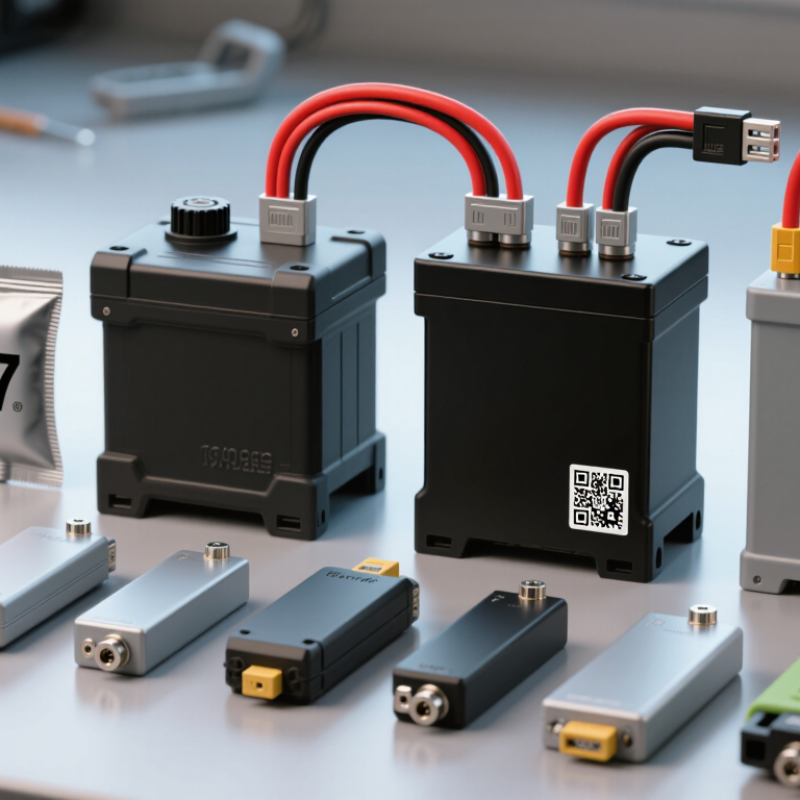
LiPo Battery Basics: Structure, Chemistry, and Operating Principles
LiPo Battery Basics: Structure, Chemistry, and Operating Principles
A lithium polymer battery uses a flexible pouch, not a rigid metal can. Inside, the anode and cathode store lithium ions. A porous separator keeps them apart and reduces internal short-circuit risks. The electrolyte carries ions between the electrodes, while electrons travel through the external circuit. That movement powers a drone, camera, or portable instrument.
Chemistry affects performance. Lithium cobalt oxide can provide high energy density, but it needs careful thermal control. Nickel-rich chemistries may offer strong capacity and power, though aging can accelerate under heat. Lithium iron phosphate usually provides better thermal stability and cycle life, but its voltage and energy density differ. During discharge, lithium ions move toward the cathode. During charging, they return to the anode. Charging normally uses constant current, then constant voltage. Small mistakes matter.
Tips: Check cell count, voltage range, capacity, and discharge rating before selection. Inspect the pouch for swelling, creases, or punctures. Stop using damaged cells. Keep batteries cool and dry. Never judge safety by appearance alone. A battery may look normal internally. Storage near a moderate charge level often reduces stress, but exact guidance varies by chemistry and supplier. I have found that real-world results also depend on wiring, connectors, temperature, and load changes. Rated capacity is not always usable capacity.
Top 10 LiPo Polymer Battery Types for Global Buyers
LiPo Battery Basics: Structure, Chemistry, and Operating Principles
A LiPo battery uses lithium-ion chemistry with a polymer-based electrolyte and is commonly built from pouch cells. Each cell has a nominal voltage of approximately 3.7 V and reaches about 4.2 V when fully charged. Battery packs are identified by their series count, such as 1S or 4S.
Increasing the series count raises the pack voltage while capacity in ampere-hours remains determined mainly by the parallel cell arrangement. Actual energy, discharge capability, cycle life, and safe operating limits depend on cell design, capacity, C-rating, temperature, and the battery management or charging system.
The Top 10 LiPo Battery Types for Global Buyers
The Top 10 LiPo Battery Types for Global Buyers reflect different power, size, and temperature needs. Standard pouch cells suit everyday electronics and compact equipment. High-discharge LiPo packs deliver strong current for short bursts. High-voltage LiPo cells provide more energy per charge. High-capacity versions support longer operating periods. Low-temperature packs perform better in cold warehouses and outdoor sites.
Ultra-thin LiPo batteries fit smart devices with limited internal space. Flexible pouch cells suit curved housings and wearable products. Smart LiPo packs add monitoring circuits for voltage, temperature, and cycle data. Protected LiPo batteries include basic safety controls. Modular LiPo packs allow buyers to combine matched cells for larger systems. However, these categories can overlap. A high-capacity pack may also be high-discharge.
The International Energy Agency reported that global lithium-ion battery demand exceeded 750 GWh in 2023, with electric vehicles representing about 95% of demand. BloombergNEF reported an average lithium-ion battery pack price of 139 US dollars per kWh in 2023. These figures do not describe LiPo cells alone, but they show intense pressure on cost, quality, and supply consistency. Buyers should check nominal voltage, peak current, cycle life, dimensions, connector design, and UN 38.3 transport documentation. Small details matter. A stated capacity may fall sharply under heavy loads or cold conditions. My practical concern is simple: choosing by price alone remains tempting, but it often creates avoidable testing, fitting, and replacement costs.
Performance, Safety, and Application Differences Among LiPo Types
Top 10 LiPo Battery Types for Global Buyers
Performance, Safety, and Application Differences Among LiPo Types
LiPo batteries share a pouch format, but their chemistry and design create major differences. Common types include standard LCO, high-voltage LCO, NMC, high-power NMC, LFP, LMO blends, NCA, silicon-blended cells, low-temperature cells, and racing-grade high-C cells.
Standard LCO offers high energy density for cameras and compact electronics. NMC balances energy and power for drones, robotics, and portable equipment. LFP usually provides stronger thermal stability and longer cycle life, but its lower voltage and energy density require larger packs.
The International Energy Agency reported that LFP represented nearly 40% of the global electric-car battery market in 2023. That shift shows how safety and cost can outweigh maximum energy density.
High-C racing cells deliver sharp acceleration, yet they can heat quickly under repeated loads. Silicon blends may increase capacity, but swelling and cycle-life trade-offs still require careful testing.
Low-temperature LiPo cells perform better in cold environments, though they need controlled charging. BloombergNEF reported an average lithium-ion pack price of 115 USD per kWh in 2024.
LiPo pricing varies widely because pouch construction, protection circuits, and quality control add costs. The ranking is imperfect. Real performance depends on current, temperature, storage voltage, and pack assembly.
Tips: Match the battery to the load profile, not only its advertised capacity. Check continuous and burst current separately. Use a compatible charger, inspect swelling, and stop using damaged cells. IEC 62133-2 and UN 38.3 test requirements provide useful safety references, but certification does not replace application testing.
How to Select, Compare, and Source LiPo Batteries Internationally
Top 10 LiPo Polymer Battery Types for Global Buyers
Selecting LiPo batteries internationally requires more than comparing capacity and price. Start with cell count, nominal voltage, dimensions, connector design, and discharge requirements. A 1S pack suits compact electronics, while 2S to 6S packs support higher-voltage equipment. High-C batteries deliver strong bursts, but they may generate more heat and reduce service life.
Compare suppliers through measurable evidence, not attractive listings. Request datasheets, recent test reports, production dates, and lot traceability. Check whether stated capacity matches independent testing at the intended discharge rate. A battery marked 2200mAh may perform differently under a demanding load. It happens. That difference matters.
For international sourcing, order samples before committing to volume. Confirm packaging, labeling, safety documentation, and transport test records. Ask how suppliers control swelling, voltage imbalance, and damaged cells. Inspect several samples, not only one. Keep purchase specifications in writing, including acceptable voltage ranges and connector tolerances. Experienced buyers also review factory communication speed and corrective-action records. A low unit price can hide inconsistent batches, higher inspection costs, or difficult replacement claims. I would not treat any supplier document as final without checking its date and scope. Rules and carrier requirements can change across countries, so import procedures should be verified with qualified logistics professionals.