Top HDD Horizontal Drilling Machine Manufacturers?
Choosing among Top HDD Horizontal Drilling Machine Manufacturers requires more than comparing horsepower or catalog prices. Hdd Horizontal Drilling projects face changing soil, tight work zones, and demanding pullback loads. A machine that performs well in open ground may struggle near existing utilities or on a compact urban site. Fit matters.
Dr. Sam Ariaratnam, a recognized trenchless technology researcher, offers a useful technical lens. The following line is an editorial summary, not a verbatim quotation: “Match the machine to the ground, pullback demand, and crew capability.” That principle helps buyers compare manufacturers on practical evidence, not polished brochures alone. Look at documented thrust and pullback ratings, torque, fluid-system capacity, transport dimensions, and access to parts. Ask how controls respond when ground conditions change. Request service references from operators with similar projects. Details count.
This guide will examine established manufacturers and the differences that matter in daily work. It will consider machine range, operator comfort, dealer support, training, and maintenance access. A well-designed rig still needs a capable crew and sound planning. Manufacturer claims should be checked against specifications and field references. No brand fits every job. Some comparisons also depend on local support, which can be difficult to judge from a product page. That deserves a closer look. The goal is a grounded shortlist, not a universal winner.
What Is an HDD Horizontal Drilling Machine?
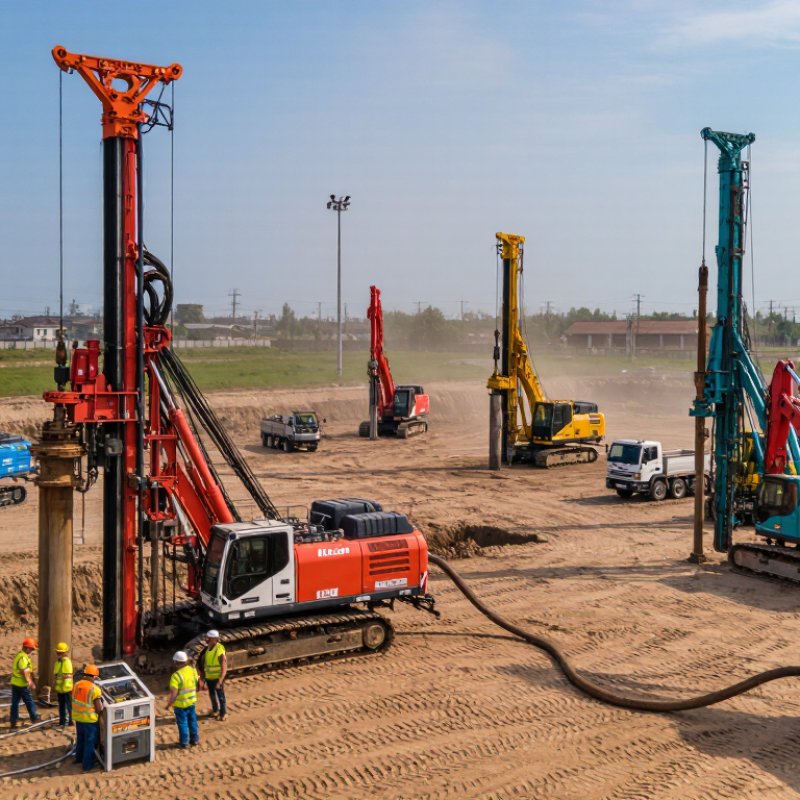
An HDD horizontal drilling machine is a trenchless rig that installs underground pipes, conduits, or cables with limited surface disruption. HDD means horizontal directional drilling. Instead of digging a continuous trench, the machine guides a drill beneath roads, landscaped areas, or other obstacles. The bore path can curve, but it must be planned around soil conditions and known underground utilities.
A typical rig uses a powered carriage to push and rotate drill rods. A steerable drill head cuts the pilot bore, while a locating system helps the crew track its position and depth from the surface. After the pilot hole reaches its exit point, workers may attach a reamer to enlarge the bore. The product pipe is then pulled back through. Mud pumps circulate drilling fluid, which helps carry cuttings out and support the bore. Details matter.
Rig size is only one consideration. Pullback capacity, torque, rod length, fluid-system performance, and available locating tools should match the job. A compact machine may suit a short service crossing, while a longer installation needs greater capacity and careful planning. The ground rarely behaves like a neat diagram. Rock, loose soil, or unexpected obstacles can change the plan, so operator skill and site assessment remain essential. Comparing manufacturers means checking technical specifications, training, parts availability, and service support—not just the machine’s stated capacity.

How Are HDD Machines Classified by Size and Application?
Horizontal directional drilling machines are best classified by capability, not appearance. Small rigs typically serve short urban utility work, such as pulling a fiber conduit beneath a driveway. Medium rigs handle longer water, gas, or telecom routes, often where several existing services crowd the bore path. Large rigs are built for higher thrust, torque, and fluid capacity on long crossings or larger-diameter pipelines. These are practical categories, not universal standards; manufacturers and contractors may define size differently.
Compare maximum pullback and thrust, rotary torque, mud-pump capacity, and the diameter of tooling the rig can run. A compact machine may fit into a narrow work zone, but limited fluid capacity can complicate ground control. Larger rigs can manage heavier work, yet need more setup space and support equipment. Application matters just as much as size. A short bore under a road has different entry angles, spoil handling, and steering needs than a river crossing. Grand View Research’s 2024 horizontal directional drilling market report projected 6.5% annual growth through 2030, reflecting demand across infrastructure uses. The figure describes the market, not a guarantee of project volume. Soil conditions still decide much. One classification chart cannot replace a site review.
What Makes a Manufacturer a Leader in the HDD Industry?
Top HDD Horizontal Drilling Machine Manufacturers?
What Makes a Manufacturer a Leader in the HDD Industry?
A leading HDD manufacturer builds machines for real ground conditions, not just impressive specification sheets. Look for documented thrust and pullback ratings, stable drilling-fluid delivery, and rod-handling systems suited to your typical bore length. Controls should give operators clear feedback, even when the ground changes unexpectedly. Small details matter. Service support matters too: parts availability, practical training, and repair guidance can keep a job moving when a component fails. A polished brochure is useful, but it cannot replace field records or verified performance data.
The U.S. Environmental Protection Agency’s 2023 Drinking Water Infrastructure Needs Survey and Assessment estimates $625 billion in drinking-water infrastructure needs over 20 years. That figure does not measure HDD equipment demand, but it signals the scale of planned utility work where trenchless methods may be considered. A capable manufacturer should explain how its equipment fits specific soil, pipe, and access conditions. Ask for test procedures behind performance claims, and compare operating costs alongside purchase price. Specifications can be easy to compare; long-term reliability is less tidy.
Tips: Request references from contractors working in similar ground. Check maintenance intervals, warranty terms, and local parts access. Then ask operators what they would change. Their answers may reveal more than a sales presentation.
What Makes a Manufacturer a Leader in the HDD Industry?
Rated pullback force is one useful specification when comparing horizontal directional drilling (HDD) rigs. These representative capacity points show how requirements scale across rig sizes; they are not a manufacturer ranking, and actual specifications vary by model.
A strong HDD manufacturer also needs to deliver dependable equipment, operator support, parts availability, safety features, and application guidance—not just high pullback capacity.
Which Manufacturers Are Prominent in the HDD Market?
Prominent manufacturers in the HDD market usually fall into three groups: established drilling-equipment makers, specialist trenchless technology companies, and regional manufacturers serving local contractors. Their machines may look similar in a catalogue, yet differ in thrust, pullback force, torque, and control systems. These figures matter when crews bore beneath roads or work through mixed soil. A machine sized for short utility crossings may struggle on longer, rocky routes.
Reputation is only one signal. Contractors should examine service coverage, spare-part availability, operator training, and documented performance in comparable ground conditions. Ask how quickly common wear parts can be supplied. Ask for job references, too. A quiet showroom demo proves little. Field support matters. So does honest guidance on machine limits. Some manufacturers publish detailed specifications, but the numbers may not tell the whole story; soil, tooling, and operator skill all affect results. That is easy to overlook. Buyers may also need to compare the total cost of ownership, including maintenance and transport, rather than focusing only on purchase price. There is no universal “best” maker. The right fit depends on the bore, crew, and service network—and those details deserve a closer look.
How Can Buyers Compare HDD Manufacturers?
Comparing HDD manufacturers starts with the ground conditions your crews actually face. A machine suited to soft soil may struggle in cobble or fractured rock. Review rated thrust and pullback, rotary torque, and the drill rod diameter. Check whether these figures describe continuous operation or short peak output. The distinction matters.
Ask for test records, not just catalog claims. A useful comparison includes completed projects with similar bore lengths, pipe diameters, and soil conditions. Request details on the mud pump, locating-system compatibility, and tool changes. Ask how quickly wear parts can be supplied. Small delays add up. If possible, inspect a working unit and watch an operator change a rod or service a filter. Ask for evidence.
Compare the full ownership picture, too. Get clear warranty terms, operator training options, service response times, and parts pricing. A lower purchase price can hide costly downtime or difficult maintenance. Ask what routine checks look like after a long shift, and whether common repairs need specialized tools. Talk with current users, while remembering that one crew’s experience may not match yours. Some buyers focus heavily on machine size; that can be a mistake. A careful scorecard helps, but field conditions rarely fit neatly into one.
Top HDD Horizontal Drilling Machine Manufacturers? - How Can Buyers Compare HDD Manufacturers?
Use this brand-neutral comparison framework to assess horizontal directional drilling (HDD) machine manufacturers. Compare machines in the same size and application class, and confirm every specification against the manufacturer’s current technical documentation.
| Comparison Dimension | What to Compare | Evidence to Request | Why It Matters to Buyers |
|---|---|---|---|
| Thrust and pullback force | Rated thrust and pullback force, stated in kN, and the conditions under which each rating is measured. | Technical data sheet, operating manual, and confirmation that ratings are continuous or peak values. | These ratings help determine whether a rig is suitable for the planned bore, tooling, and expected ground conditions. They should not be compared without checking how the figures are defined. |
| Rotary torque and speed | Maximum and operating torque, usually stated in kN·m, plus the available rotational-speed range in rpm. | Torque-speed chart and details of the rotary drive and control system. | Torque and speed affect the rig’s ability to operate the drill string and tooling. A torque figure alone does not describe performance across the full speed range. |
| Drill pipe and tool compatibility | Supported pipe diameter and length, connection type, and compatible tooling options. | Pipe specifications, connection drawings, and a list of supported tooling interfaces. | Compatibility helps avoid mismatches among the rig, drill string, reamers, and other equipment used on the job. |
| Fluid system | Whether a fluid pump is included or separate; pump flow rate in L/min and pressure in MPa; and available fluid-system controls. | Pump nameplate data, system diagram, and the stated test conditions for flow and pressure. | Drilling fluid supports bore cleaning and helps manage the bore. Required flow and pressure depend on the tooling, bore plan, and ground conditions. |
| Guidance and locating compatibility | Supported locating or guidance systems, communication method, and compatibility with the buyer’s intended tracking equipment. | Compatibility statement, operating instructions, and details of any required interfaces or accessories. | Guidance requirements vary by project and local conditions. Buyers should confirm that the rig and locating equipment can be used together. |
| Machine dimensions and transport | Transport dimensions, operating weight, loading method, and any setup requirements at the jobsite. | Dimensioned drawings, transport-weight information, and lifting or loading instructions. | Transport limits, access routes, and site constraints can affect delivery, setup, and equipment selection. |
| Power and operating requirements | Power source, rated power in kW, fuel or electrical requirements, and stated operating limits. | Power-system specifications, maintenance schedule, and operating manual. | These details help buyers assess site readiness, operating costs, and whether the machine suits the available power and working environment. |
| Controls and safety features | Control layout, emergency-stop arrangements, operator visibility, and documented safety provisions. | Operator manual, safety documentation, and an opportunity to inspect or demonstrate the machine. | Operators need clear procedures and suitable safeguards. Buyers should assess the actual machine and documentation rather than rely on a feature list alone. |
| Service and spare-parts support | Service coverage, parts availability, technical-support channels, and stated warranty terms. | Written warranty, service contacts, parts lead-time information, and maintenance support details. | Support availability can affect machine uptime and the time required to resolve faults, especially when operating far from a service center. |
| Compliance and documentation | Applicable safety and regulatory documentation for the destination market, including any required declarations or certificates. | Copies of relevant declarations, certificates, manuals, and machine identification records. | Requirements depend on the market and intended use. Buyers should verify applicable local rules with the supplier and relevant authorities. |
| Total cost of ownership | Purchase price together with maintenance, wear parts, consumables, transport, training, and expected service costs. | Itemized quotation, recommended maintenance intervals, consumables list, and warranty exclusions. | A purchase price alone does not show the full cost of owning and operating an HDD machine over time. |
Comparison tip: Request the same information from each supplier and compare equivalent machine configurations. Performance suitability depends on the complete bore plan, tooling, fluid system, and ground conditions; published ratings are not a guarantee of results on every job.