
Top EVbox Charging Stations Suppliers in China?

Finding reliable Evbox Charging Stations suppliers in China requires more than comparing prices or product photos. Buyers should clarify whether they need genuine EVBox equipment, compatible charging products, or manufacturing partners for related components. These categories are not interchangeable. A supplier’s wording can be vague, so request exact model numbers, product documentation, and written confirmation of its commercial relationship to the brand.

This guide explains how to assess potential suppliers using practical, verifiable criteria. Check factory capabilities, quality-control procedures, charging specifications, connector options, and after-sales support. Ask for recent product records and references that match your intended market and installation needs. Small details matter. A clear label, responsive technical contact, and consistent test documentation can reveal more than a polished catalog.

No single supplier suits every project. Some buyers prioritize customization, while others need established products, stable lead times, or support for installation partners. Compare quotations on equal terms, including warranty coverage, spare parts, packaging, and delivery arrangements. Verify claims independently where possible. Supplier information can change, and online listings may not reflect current authorization or production capacity. This overview offers a starting point, not an endorsement. Careful checks still matter.
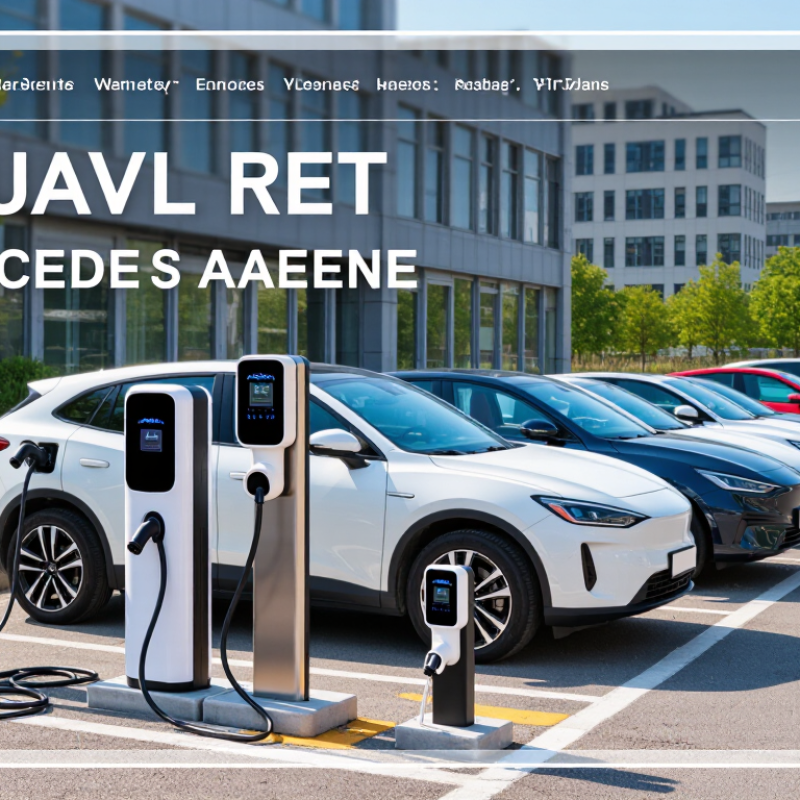
Top EVbox Charging Stations Suppliers in China?

What Are EVBox Charging Stations and How Do They Work?

An EV charging station delivers electricity through a cable and connector, while built-in controls check that the vehicle is ready. With AC charging, the vehicle’s onboard charger converts grid electricity into the form its battery can store. DC fast chargers perform that conversion inside the station and send power directly to the battery. Charging speed depends on both the station’s output and the vehicle’s limits. More power does not always mean faster charging.

Communication matters. The station and vehicle exchange information about connection status, temperature, and safe charging levels. Sensors and protective circuits can pause power if they detect a fault. Some stations also share available power across several connected vehicles, which helps manage demand at a site. Access may use an app, payment terminal, or access card, depending on the setup. Small details count. A stiff cable can be awkward in cold weather, and confusing screen prompts can slow a simple stop. Charging equipment is not always as intuitive as its diagram suggests. Clear instructions and routine inspections make the experience more dependable.


Key Criteria for Evaluating EVBox Charging Station Suppliers in China

Choosing a charging-station supplier in China takes more than comparing quoted prices. Match output, connector options, and installation format to your vehicle mix and site conditions. A highway stop may need high-power equipment, while a depot may benefit from several lower-power units. Ask for operating-temperature limits, enclosure ratings, and clear load-management details. Small details matter.

Request test reports, relevant market certifications, and production-inspection records. Confirm compatibility with your backend’s communication protocol, then test a real unit before placing a large order. Review warranty exclusions, spare-parts availability, response times, and software-update responsibilities. Visit the factory or arrange an independent audit when practical. Compare production samples with final specifications; a polished brochure cannot prove batch consistency. Check customer references, too, but one successful project is not enough evidence.

Tips: Ask suppliers to quote the same configuration, including cables, payment options, and commissioning. Keep the checklist simple. Record answers and flag vague promises. I may be overcautious, but unclear service ownership can become expensive after installation.

Leading Chinese Suppliers of EVBox-Compatible Charging Equipment

Chinese suppliers of EVBox-compatible charging equipment range from large electrical manufacturers to focused EV charging specialists. The right partner should demonstrate compatibility, not merely claim it. Ask for a tested configuration, including connector type, rated output, communication protocol, and firmware version. For a commercial site, a 60 kW unit may suit a small fleet, while higher-output equipment can require substantial grid capacity. Request test reports and a sample commissioning record. Useful evidence includes fault logs, temperature readings, and charging-session results. Details matter.

Compatibility is rarely plug-and-play across every installation. Confirm communication settings, network access, cable length, enclosure protection, and local power requirements before placing an order. A supplier that can explain these limits clearly is often more dependable than one promising universal support. Check spare-part availability and warranty response times, too. Ask how the supplier handles a failed screen or connector latch; these are small parts, but they can interrupt daily use. No checklist catches everything. A pilot installation can reveal site-specific issues before a larger purchase. Even then, integration may take longer than expected, so leave room in the schedule.

Comparing Supplier Products, Certifications, and Support

When comparing EV charging station suppliers in China, start with the equipment that fits your site. AC units suit offices and overnight parking; DC chargers serve locations needing faster turnover. Check output options, connector compatibility, enclosure rating, and cable length against your actual layout. A 22 kW AC model may sound ideal, but a site’s electrical capacity can make that rating impractical. Details matter.

Certifications deserve more than a logo on a brochure. Ask for current test reports, issuing-body details, and documentation for the exact model you plan to buy. Requirements vary by destination, so confirm that the unit meets local grid and safety rules before ordering. An ISO 9001 certificate describes a quality-management system; it does not, by itself, certify a charger. I would verify documents independently, even when the sales team seems confident.

Support can separate a workable supplier from a difficult one. Ask who handles commissioning, firmware updates, and fault diagnosis, and request written response targets. For example, if a charger stops during a busy afternoon, can the supplier guide a local technician and ship a replacement module? Check spare-parts availability and warranty exclusions in plain language. A video call is helpful, but not a service plan. I may be giving support too much weight; still, a low purchase price means little if downtime stretches for weeks.

How to Select a Supplier for Your Charging Project

Selecting a supplier for an EV charging project starts with the site, not the catalogue. Record expected daily sessions, vehicle dwell time, grid capacity, and whether chargers will stand indoors or beside a coastal road. These details shape connector options, output, enclosure rating, and cable length. Ask for test reports, component specifications, and clear warranty terms; a polished brochure alone proves little. Request references for projects with similar climates and usage, then verify installation dates and service response times. Small details matter.

For Chinese suppliers, check production capacity, quality-control steps, and how software updates are managed. Ask who handles remote diagnostics, spare parts, and field support in your region. A low quote may omit commissioning, freight, or replacement parts, so compare the full delivered scope. Before ordering, review sample units and run a pilot with real vehicles; record charging interruptions and payment failures. I would still leave room for doubt: pilot results can look better than performance at a busy public site. Set measurable acceptance criteria and put them in the contract. But keep them practical.

Top EVbox Charging Stations Suppliers in China? - How to Select a Supplier for Your Charging Project

Evaluation Dimension What to Check Project Guidance Evidence to Request
Charging power and configuration Confirm AC or DC equipment, rated output, number of charging points, and whether power is shared between connectors. AC equipment is commonly specified in kilowatts, with examples such as 7, 11, and 22 kW. DC equipment is available across a wider range; select output according to vehicle compatibility, site capacity, and expected dwell time. Model-specific datasheet, single-line diagram, rated-power statement, and power-sharing description.
Grid and electrical compatibility Check input voltage and frequency, phase requirements, maximum current, grounding arrangement, and protective devices. Requirements vary by destination market and site. Have the local electrical designer verify the proposed equipment against the supply connection and applicable electrical codes. Electrical specifications, installation manual, protection-device details, and a site load assessment.
Connector and vehicle compatibility Identify the connector types required for the target vehicle fleet and market, including any regional charging standards. For China-market projects, verify applicable GB/T connector and communication requirements. For international deployments, confirm the connector and vehicle interface required in each destination. Connector specification, supported vehicle-interface standards, and compatibility test records.
Communication and backend integration Check network interfaces, remote monitoring, user authentication, transaction records, and integration with the selected charging-management platform. OCPP 1.6J and OCPP 2.0.1 are protocol versions used for communication between charging stations and central systems. Confirm the exact supported functions and test interoperability rather than relying on a protocol label alone. Protocol conformance information, integration test results, API documentation, and a demonstration using the intended backend.
Safety and conformity Review electrical safety, insulation, temperature protection, emergency functions, enclosure protection, and market-specific compliance. IEC 61851 covers conductive charging systems, and IEC 62196 covers plugs, socket-outlets, vehicle connectors, and vehicle inlets. Applicable requirements and accepted conformity marks depend on the destination market. Current certificates and test reports for the exact model, issuing-laboratory details, and a list of applicable standards.
Outdoor and environmental suitability Assess enclosure rating, operating temperature range, corrosion protection, ventilation, and resistance to site-specific weather conditions. Choose ratings and environmental limits based on the installation location. An IP rating describes protection against dust and water ingress; it does not by itself establish suitability for every outdoor condition. Model datasheet, enclosure test report, environmental operating limits, and recommended maintenance conditions.
Manufacturing and quality controls Evaluate production traceability, incoming-material inspection, end-of-line testing, change control, and management of defects. Ask how production batches are identified and how corrective actions are documented. Assess the actual manufacturing site and processes, not only general company statements. Quality-management documentation, sample inspection records, factory audit access, and production test procedures.
Warranty and service coverage Clarify warranty duration, covered components, exclusions, spare-parts availability, response times, and responsibility for field repairs. Compare the written warranty and service plan with the project’s operating hours and location. Confirm who provides local technical support and how replacement parts are shipped. Warranty terms, service-level agreement, spare-parts list, escalation contacts, and service coverage map.
Installation and commissioning Check requirements for foundations, cabling, network access, commissioning, operator training, and acceptance testing. Define site responsibilities before purchase. Include commissioning and functional tests in the project schedule and acceptance criteria. Installation guide, commissioning checklist, training plan, and site-acceptance test template.
Commercial and delivery terms Compare quotation scope, tooling or customization charges, lead time, Incoterms, packaging, payment schedule, and shipment documentation. Compare like-for-like configurations and clarify whether freight, duties, installation, software, and commissioning are included. Confirm delivery dates against production capacity. Itemized quotation, confirmed lead time, packing specification, agreed Incoterm, and shipment-document checklist.
Supplier selection approach Score technical fit, compliance, integration, quality, service, delivery, and total cost against project priorities. Use the same evaluation criteria for every shortlisted supplier. Validate critical claims with documents, sample testing, and references relevant to the destination market. Completed evaluation matrix, technical clarification log, sample-test results, and written commercial comparison.

Note: The power ranges and standards listed are general selection references, not claims about any particular supplier or model. Verify current requirements, certifications, and compatibility for the exact equipment and destination market before purchase.

Go to Top