10 Tips for Choosing the Best Exterior Doors
An exterior door is more than a front-facing finish. It protects the threshold from rain, drafts, noise, and daily wear. The best choice must fit the home’s climate, opening, and use—not just its paint color. Details matter. A heavy slab can still perform poorly if its frame is out of square or its weatherstripping leaves a visible gap.
The U.S. Department of Energy recommends checking a door’s air leakage, insulation, and weatherstripping when improving home energy performance. Its guidance also notes that doors with glass need attention to glazing performance and placement. Building scientist Joseph Lstiburek is often associated with the concise warning, “Windows are holes in walls.” The principle applies to doors, too: every opening needs careful detailing to control heat, air, and moisture. Measure twice.
The 2024 Cost vs. Value report estimates that a steel entry-door replacement costs an average of $2,355 and may return $4,430 in resale value. That projected 188.1% cost recoup is a national estimate, not a promise for every home. Local labor, door dimensions, and installation quality can change the result. A useful selection process weighs material, security hardware, weather seals, glass, maintenance, and budget together. Some trade-offs are unavoidable. These 10 tips will help you compare Exterior Doors with practical questions in mind, spot details that are easy to miss, and choose a door that suits your home—not just a showroom display.
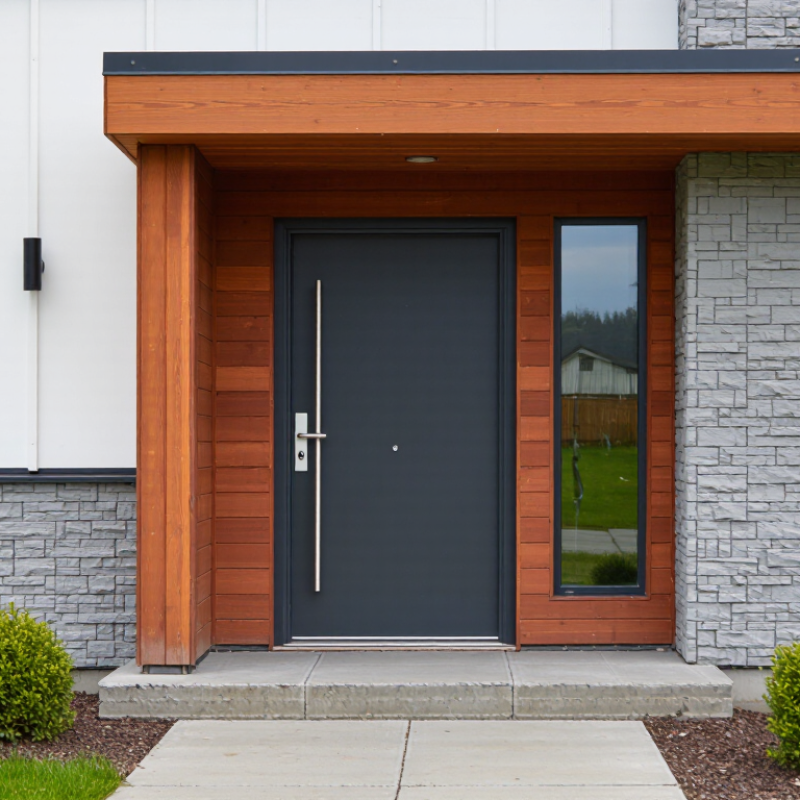
Assess Your Climate, Security Needs, and Entryway Conditions
A storm-facing entrance has different demands from a sheltered porch. In cold regions, look for a well-insulated door, tight weatherstripping, and a threshold that seals evenly. In hot, sunny climates, consider how direct sunlight affects the door and any glass panels. The U.S. Department of Energy’s Energy Saver guidance identifies doors and their frames as common places for air leaks. Small gaps matter. Check the corners and sweep with your hand on a windy day; a tiny draft can reveal a poor fit.
Security depends on more than the door panel. Examine the frame, hinges, strike plate, and lock together. The FBI’s 2019 Crime in the United States report classified 55.7% of burglaries as forcible-entry incidents. That figure does not show that a stronger door alone prevents break-ins, but it is a reason to assess the whole entry assembly. Not just the slab. Ask an experienced installer whether the frame is anchored securely to the surrounding structure.
Entryway conditions can change the right choice. Measure the opening, note whether rain pools at the sill, and check for salt exposure, heavy shade, or frequent temperature swings. For glazed doors, compare National Fenestration Rating Council (NFRC) U-factor ratings; lower values indicate less heat transfer. I would not choose by rating alone. A high-performing door can still disappoint if it is poorly fitted, and that detail is easy to underestimate.
Compare Door Materials for Durability and Maintenance
Exterior door materials respond differently to rain, sun, temperature swings, and daily use. Fiberglass generally resists moisture and seasonal swelling, making it a practical choice for exposed entrances. Its surface can imitate wood grain, but deep scratches may be difficult to disguise. Details matter.
Steel doors offer strength and often provide good insulation when their cores and seals are well made. However, a dent can be noticeable, and chipped paint may expose the metal to rust. Check the bottom edge and around hardware, where wear can go unnoticed. Wood has natural warmth and can be repaired or refinished, but it needs more regular attention. Sun-facing doors may fade or crack if their protective coating is neglected.
No option is maintenance-free. A covered porch can help any door last longer, while standing water and harsh afternoon sun increase wear. Inspect the finish, weatherstripping, hinges, and threshold twice a year; clean drainage paths and touch up damage promptly. Composite doors can resist rot, though construction varies, so examine the warranty and ask how the surface can be repaired. A durable material still performs poorly if the frame is out of square or the installation leaves gaps. The trade-off is easy to miss: choosing the toughest surface may not matter much if upkeep feels too demanding.
Evaluate Insulation, Weather Seals, and Energy Performance
When choosing an exterior door, assess the whole opening, not just the slab. The U.S. Department of Energy’s Energy Saver guidance estimates that air leaks can waste 10–20% of the energy used for heating and cooling. That figure covers the home, not doors alone, but it shows why small gaps deserve attention.
Small gaps matter. On a windy evening, feel around the frame and threshold for drafts; check corners where weatherstripping meets.
Look for continuous, replaceable weather seals that compress evenly when the door closes. Check the threshold, too. A visible strip of daylight or a loose sweep can undermine an otherwise insulated door. The National Fenestration Rating Council label reports U-factor, which indicates heat transfer; a lower value generally means better insulation. Compare ratings for your climate and installation, rather than choosing by material alone.
A well-rated door can still perform poorly if the frame is out of square or the seal is pinched. That detail is easy to miss. It is also worth asking the installer how the frame will be sealed to the wall, since the product rating cannot account for every gap left during installation.
Choose a Design, Glazing, and Hardware That Suit Your Home
An exterior door should feel connected to the house, not added as an afterthought. Match its proportions and panel style to nearby windows, trim, and rooflines. A simple door can suit a detailed facade, while a paneled design may add warmth to a plainer entry. Color matters, too. Hold paint samples beside the exterior in morning and afternoon light; shade can shift more than expected. Small details count.
Glazing changes both the look and feel of an entry. Clear glass can brighten a dim hallway, while textured or frosted glass offers more privacy. On a sun-exposed side of the house, ask a qualified installer about glazing suited to your climate and orientation. Consider how much of the interior is visible from the path or street. I once focused too much on appearance and too little on sightlines. That was worth reconsidering.
Hardware should be comfortable to use and visually balanced with the door. A long pull handle may suit a contemporary design, while a modest lever often feels at home on a traditional entry. Check that the handle, hinges, and lock work together, and choose a finish that is practical for your weather and cleaning routine. Test it first. A beautiful handle is less appealing when it feels awkward in a gloved hand.
Confirm Measurements, Installation Quality, and Long-Term Care
Measure the rough opening at the top, middle, and bottom, then compare both diagonals. Record jamb depth and sill condition, too; a new slab will not fix a twisted frame. Small gaps matter. I still recheck measurements, even when an opening looks square. Before installation, confirm the door is plumb and level, and that the latch works without forcing it. Proper flashing and a continuous seal around the frame help keep rain and drafts out. Use suitable low-expansion foam, since excess pressure can bow the jamb.
Long-term care begins with quick seasonal checks. Look for cracked caulk, loose hinges, worn weatherstripping, and water stains near the threshold. Clean drainage channels and touch up exposed finishes before moisture gets underneath. No shortcut here. The NAHB and Bank of America Home Equity’s Study of Life Expectancy of Home Components estimates service lives of about 100 years for steel or fiberglass exterior doors and 30 years for wood doors. These are broad estimates, not promises; climate, installation, and maintenance can change the outcome. A sticking latch may only need adjustment, but persistent swelling or soft wood deserves closer inspection. Recheck the seal after the first heavy rain.