Ultimate Tips for Choosing a Fully Enclosed Laser Printing Machine?
When considering a Fully enclosed laser printing machine, careful selection is crucial. This type of equipment offers enhanced safety and superior print quality. Understanding the features and specifications is essential for making an informed decision. Opting for a fully enclosed model can minimize exposure to harmful laser emissions.
The right machine can significantly impact your printing efficiency and the quality of your results. Factors such as build quality, pricing, and ease of use all play vital roles in your choice. It’s also important to look for reliable brands with solid reputations. Customer reviews often provide insights that can guide your decision-making process.
However, weighing the pros and cons can be challenging, especially for first-time buyers. You may find yourself overwhelmed by the options available. Taking a step back to reflect on your specific needs can help clarify your choices. Ultimately, investing in a fully enclosed laser printing machine can be a game-changer when done thoughtfully.
Understanding Fully Enclosed Laser Printing Machines
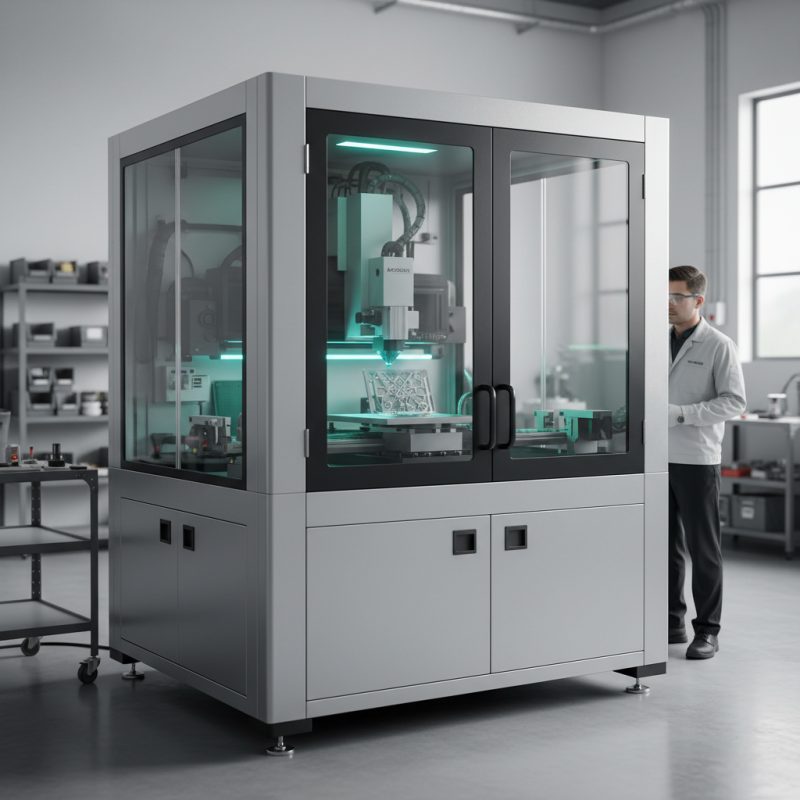
When considering fully enclosed laser printing machines, understanding their components is crucial. These machines are designed for safety and efficiency. The enclosure protects users from harmful emissions and ensures that materials are treated evenly. A robust ventilation system is often included. This system removes fumes and keeps the workspace safe.
Size and material compatibility also matter. Some machines are compact, ideal for small spaces. Others are larger, accommodating various materials like wood, acrylic, and fabric. Assessing your workspace and project needs can direct your choice. However, some users may find adjustments challenging, especially when transitioning between different materials.
The learning curve can be steep. Users often report difficulties in mastering settings and software. Ensuring proper calibration is vital for achieving precise results. Experimentation is part of the process, and patience is essential. Knowledge sharing in user communities can help with troubleshooting. Being open to learning from mistakes will enhance your experience and skill with these machines.
Ultimate Tips for Choosing a Fully Enclosed Laser Printing Machine
Key Features to Consider When Choosing a Laser Printer
When selecting a fully enclosed laser printing machine, several key features deserve close attention. First, consider the build quality. A sturdy machine will withstand daily use. Look for materials that ensure durability. The enclosure should be robust to minimize noise and ensure safety. This is crucial in a shared workspace.
Another important aspect is the print resolution. Higher resolution means sharper images and text. If you work with intricate designs, prioritize printers with at least 1200 DPI. Additionally, the speed of printing can greatly impact productivity. A capable machine should have a decent pages-per-minute rate, especially for high-volume tasks.
Don't overlook connectivity options. A printer that supports wireless printing can simplify workflow. Assess other features like ease of use. Complex interfaces can be frustrating. Ideally, the printer should allow for quick setup and maintenance. Consider user reviews to gauge reliability and performance. Reflect on your specific needs. Each feature adds value but also comes with trade-offs. Balancing them effectively ensures a satisfying purchase decision.
Ultimate Tips for Choosing a Fully Enclosed Laser Printing Machine
| Feature | Description | Importance Level |
| Enclosure Type | Choose between fully, partially, or open enclosures based on safety and material compatibility. | High |
| Laser Type | Select between CO2, fiber, or diode lasers depending on your materials. | High |
| Print Area | Consider the dimensions of the largest items you plan to print. | Medium |
| Speed | Evaluate the printing speed relevant to your production needs. | Medium |
| Software Compatibility | Ensure the printer works with your design software for seamless integration. | High |
| Cooling System | Choose a system that can handle extended printing sessions without overheating. | Medium |
| User-Friendliness | Look for intuitive interfaces and ease of operation, especially for beginners. | Medium |
| Maintenance Requirements | Consider the upkeep needed, such as lens cleaning and parts replacement. | Medium |
| Safety Features | Look for features like emergency stops and safety interlocks. | High |
| Warranty and Support | Check the warranty period and customer support options provided. | Medium |
Evaluating Print Quality and Speed in Laser Printers
Evaluating print quality and speed is crucial when choosing a fully enclosed laser printing machine. Print quality is often determined by resolution and color accuracy. A good laser printer should produce crisp text and vivid images. Look for specifications that include a minimum resolution of 600 DPI for clear output. However, numbers alone don't tell the whole story. User reviews and sample prints can give valuable insights into real-world performance.
Speed is another vital factor. Laser printers can offer high-speed printing, often around 25 to 50 pages per minute. This performance is essential for busy offices or environments where time is critical. However, be wary of manufacturers who highlight speed without discussing consistency. Inconsistent speeds can lead to frustration during peak usage.
It's also essential to factor in maintenance. A machine may print quickly, but if it requires frequent repairs or has high running costs, it can become a burden. Consider the long-term implications of your choice. Balancing print quality, speed, and maintenance needs can be challenging. Reflect on how your specific requirements align with these factors, and remember that no printer is perfect.
Cost Analysis: Initial Investment vs. Long-Term Benefits
When considering a fully enclosed laser printing machine, a detailed cost analysis is crucial. The initial investment can be significant, often requiring a substantial budget. However, it's essential to weigh this upfront cost against the potential long-term benefits. For instance, these machines are known for their reliability and efficiency. Over time, they can reduce material wastage significantly.
Additionally, maintenance costs can be lower with these fully enclosed systems. They tend to protect the laser and components better, extending the lifespan. This durability translates to fewer replacements and repairs, leading to savings. While the high initial price might seem daunting, these machines often pay for themselves through reduced operational costs over the years.
Yet, potential buyers should reflect on their specific needs. Not every operation may require an enclosed unit. Understanding your production volume and quality requirements is key. Investing in a machine that is not suited to your workflow can lead to unnecessary expenses. Thus, thorough research and honest assessments are vital before making a purchase.
Safety and Maintenance Considerations in Enclosed Printers
Safety is a fundamental consideration when using a fully enclosed laser printing machine. Enclosed printers provide a layer of protection against exposure to harmful fumes and laser light. Proper ventilation is essential. Ensure that the printer is placed in a well-ventilated area to prevent the buildup of hazardous substances. Regularly check air filters and replace them as needed. This helps maintain a safe working environment.
Maintenance is vital for the longevity and safety of enclosed printers. Regular cleaning is necessary to remove dust and debris. Build-ups can interfere with the printer's operation and lead to potential hazards. Ensure that the lenses and mirrors are free from contaminants. Operators should also review the manufacturer's guidelines for maintenance schedules. This can involve replacing parts and keeping the printer in optimal condition.
Training is often overlooked. Users must understand the printer’s operation and safety features. Familiarity with potential risks can reduce accidents. Encourage regular training sessions. This provides an opportunity to discuss safety protocols. It also allows for feedback on any issues experienced during printing. Continuous reflection on best practices can enhance safety and efficiency in the long run.