What is a Safety Padlock and How to Choose the Best One?
In an increasingly safety-conscious world, the importance of a Safety Padlock cannot be overstated. John Thompson, a leading safety expert and author, emphasizes, “A reliable Safety Padlock is vital for protecting people and assets.” Selecting the right padlock is essential for ensuring secure environments, whether at home, in the workplace, or on job sites.
When considering a Safety Padlock, one must evaluate various factors such as strength, durability, and application. Different environments demand different features. A padlock that works well in an outdoor setting may not suit indoor use. Additionally, recognizing the nuances of safety features, such as shackle size and locking mechanisms, can significantly impact security.
However, many overlook the importance of quality in these products. A common mistake is choosing padlocks based solely on price, sacrificing quality for savings. This approach can leave vulnerabilities exposed. Understanding these details demonstrates that not all Safety Padlocks are created equal. It requires careful thought and assessment to make the best choice for your needs.
What is a Safety Padlock?
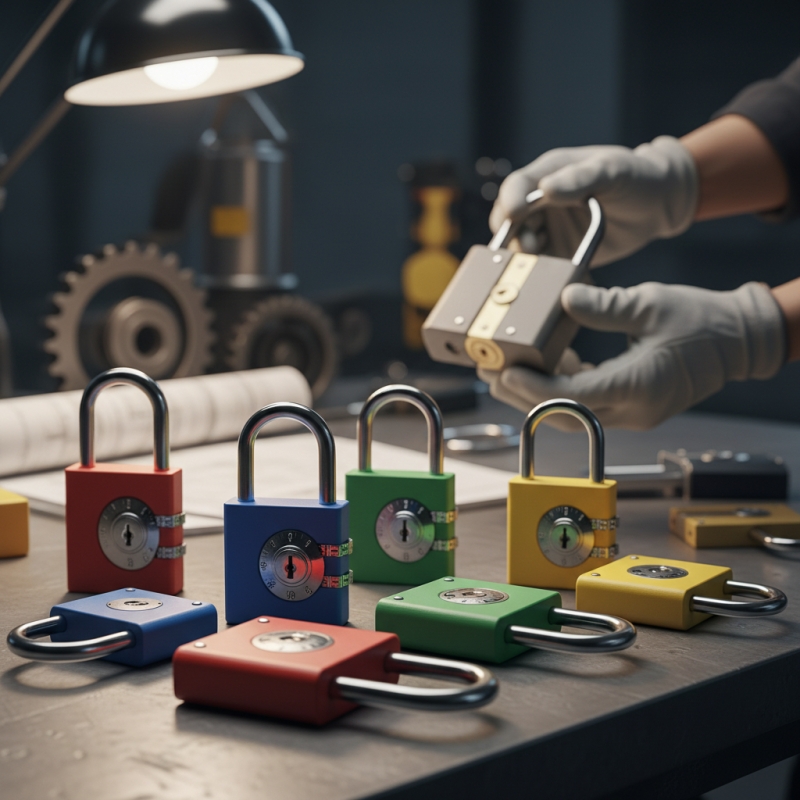
A safety padlock is a specialized locking device designed to secure equipment during maintenance or servicing. It ensures that machinery cannot be operated while it’s being worked on. This is crucial in preventing accidental injuries. Safety padlocks are often brightly colored and have unique keys to enhance recognition. Their distinct design makes them easily identifiable in a workplace setting.
When choosing a safety padlock, consider the material. Durable options resist wear and outdoor conditions. Look for padlocks with a high-security rating. This often indicates a more robust locking mechanism. Keys should be unique to prevent unauthorized access. Furthermore, consider the size of the shackle; it must fit your needs while also being strong enough for secure locking.
Not all safety padlocks are created equal. A poorly chosen padlock may fail during critical moments. Reflecting on past choices can highlight the importance of selecting the right lock. Each workplace has unique risks. Understanding these can guide you in making informed decisions. It’s wise to regularly reassess your safety equipment. This ensures that your practices remain effective and relevant.
What is a Safety Padlock and How to Choose the Best One?
| Feature | Description | Importance |
| Material | Typically made from steel or high-grade alloy for durability. | Ensures lock longevity and resistance to wear and environmental factors. |
| Shackle Size | Available in various sizes to fit different locking needs. | A proper fit is essential for security and usability. |
| Keyed vs. Keyless | Options include traditional keyed locks or combination/keyless mechanisms. | Choose based on convenience and security requirements. |
| Weather Resistance | Some locks are treated to withstand rain, snow, and extreme temperatures. | Important for outdoor use to prevent rust and malfunction. |
| Safety Standards | Look for locks that adhere to recognized safety standards (e.g., OSHA, ANSI). | Ensures compliance with safety regulations in industrial settings. |
Key Features of Safety Padlocks
Safety padlocks play a crucial role in ensuring workplace safety, especially in facilities where hazardous machinery is present. When choosing the best safety padlock, consider key features that enhance security and usability. A popular industry report from the Occupational Safety and Health Administration (OSHA) indicates that nearly 10% of workplace accidents result from improper lockout/tagout procedures. This emphasizes the importance of a reliable safety padlock.
Look for padlocks made from durable materials like steel or solid brass to withstand harsh environments. The shackle size should fit the hasps used in your facility. A brightly colored body aids in quick identification, which is especially useful during emergencies. According to safety equipment standards, padlocks must include a mechanism that prevents accidental release. This detail can significantly reduce accidental injuries.
Tip: Always evaluate the color and size when choosing your padlock. Uniformity in color can enhance visibility and compliance, especially in multi-lock systems. Review your facility's specific needs to select the most appropriate type. Be mindful that not all padlocks are created equal; some may require additional inspection and maintenance. Reflect on how you can improve lockout procedures in your organization for better safety outcomes.
Types of Safety Padlocks Available in the Market
When choosing a safety padlock, understanding the types available is crucial. Lockout Tagout (LOTO) padlocks are designed for workplace safety. They ensure that machinery remains off during maintenance. According to a study by the Occupational Safety and Health Administration (OSHA), proper lockout procedures can prevent up to 80% of workplace injuries.
Different materials can significantly affect a padlock's performance. For example, aluminum locks are lightweight but less durable. Conversely, steel padlocks are robust but heavier. Some models are made of plastic to resist corrosion in harsh environments. The color of padlocks is essential as well. Many industries use color-coded locks for quick identification. This can enhance safety during maintenance work, allowing for immediate visual recognition.
The size and shape of the shackle also matter. Keyed padlocks often have longer shackles, allowing them to fit larger or bulkier components. On the other hand, combination locks can reduce the risk of lost keys but might complicate access during emergencies. Companies should evaluate their specific needs and the potential consequences of incorrect lock choices. With industry reports indicating that nearly 40% of accidents occur due to equipment being unexpectedly energized, choosing the right padlock can have significant implications for safety and efficiency.
Factors to Consider When Choosing a Safety Padlock
When selecting a safety padlock, several factors merit your attention. The lock's durability is paramount, as it must withstand various environmental conditions. Look for materials like hardened steel or heavy-duty nylon. These options offer increased resistance to corrosion and wear. Also, consider the locking mechanism. Pin tumbler mechanisms are common but not always the most secure choice.
Another critical factor is the key or combination type. A traditional key may be susceptible to loss or duplication. On the other hand, combination locks require remembering the sequence, which could lead to frustration. Evaluate your needs based on convenience and security.
Tips: Always verify the product's certifications. Look for locks with industry-standard ratings. Check user reviews for real-life performance feedback. Testing the locks before purchasing can also make a difference. Even the best padlock can fail if not used correctly.
Reflect on how you will use the padlock. Eliminate distractions and focus on your security needs. A simple choice today can enhance safety tomorrow. Your padlock should be a reliable ally in protecting valuable items.
Best Practices for Using and Maintaining Safety Padlocks
When using safety padlocks, proper practices are essential for maintaining security and functionality. Always inspect your padlock before use. Check for signs of wear or damage. A rusty lock can fail when you need it most. Moisture can seep into the mechanism, causing malfunctions. Store your padlocks in a dry area to prolong their life.
Furthermore, use the right padlock for your specific needs. Different environments may require different levels of protection. For example, outdoor locks should resist weather conditions. Indoor locks may not need such robust outer layers. Regularly clean your locks to remove dirt and debris. This simple step enhances performance and longevity.
Lastly, remember to track your keys. Losing a key can lead to frustrating delays. Consider a system for labeling and organizing keys. Sharing keys requires caution; ensure everyone understands usage rules. Without clear communication, mishaps are bound to occur._PADLOCKS should enhance safety, but your habits and practices matter just as much._