How to Purify Biogas for Renewable Energy Use
Biogas can turn food scraps, manure, and wastewater into useful energy, but raw gas is rarely ready for equipment. It may contain carbon dioxide, water vapor, hydrogen sulfide, and trace siloxanes. These impurities can lower fuel quality, corrode pipes, or damage engines. Bio Gas Purification removes or reduces unwanted compounds so the gas better suits its intended use. The exact treatment depends on both gas composition and the final application.
A small digester may need moisture control and hydrogen sulfide removal before feeding a boiler. Gas intended for a vehicle or pipeline typically needs deeper upgrading, including methane enrichment and careful quality checks. Operators may use drying, filtration, adsorption, or membrane separation, often in a staged system. Each choice affects energy demand, maintenance, and operating cost. There is no single perfect train. That sounds simple. It isn’t.
Reliable purification starts with representative gas testing, not assumptions based on another site. A sample line, condensate trap, and gas analyzer can reveal changing conditions after feedstock or weather shifts. Operators should also track pressure, temperature, and media replacement schedules. These details help explain why a filter that worked last month may perform differently today. Safe design matters too: gas handling requires appropriate ventilation, leak detection, and trained personnel. Even a well-designed system needs regular review. Some impurities are easy to overlook, and the cleanest-looking gas is not necessarily the safest or most suitable. This guide outlines practical purification stages, selection factors, and checks for producing renewable gas with dependable quality.
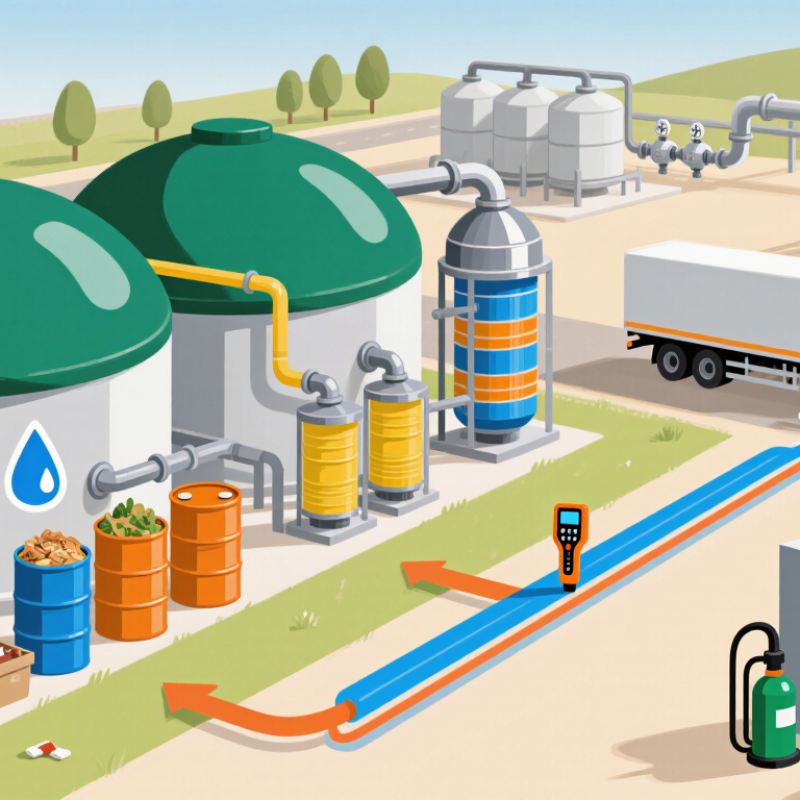
Biogas Composition and Purification Objectives
Biogas is a variable mixture, not a single, fixed fuel. Raw gas commonly contains methane and carbon dioxide, with water vapor and smaller amounts of hydrogen sulfide. Depending on the feedstock and equipment, it may also contain siloxanes, nitrogen, or oxygen. Methane provides most of the usable energy; carbon dioxide lowers the fuel’s energy content. Water can condense in a cool pipe bend, while hydrogen sulfide can contribute to corrosion and unpleasant odors. Small concentrations can still matter.
Purification objectives depend on how the gas will be used. A boiler may need reliable moisture and hydrogen sulfide control, while vehicle fuel or grid injection usually requires substantial carbon dioxide removal and tighter quality checks. Siloxanes deserve attention where they could form hard deposits in engines or other equipment. Measure the incoming gas before choosing treatment, then verify the treated gas against the intended equipment’s specifications. Check methane content, moisture, and contaminant levels—not appearance alone. Too much treatment can waste energy and media. The target is fit-for-use gas, not an abstract purity score. Even careful testing has limits when feedstock changes, so periodic sampling matters.
Assess Contaminants and Choose a Treatment Sequence
How to Purify Biogas for Renewable Energy Use
Assess Contaminants and Choose a Treatment Sequence
Raw biogas is not a fixed recipe. The IEA’s Outlook for Biogas and Biomethane (2020) reports methane concentrations typically range from 45% to 75%, with most of the remainder being carbon dioxide. Water vapor, hydrogen sulfide, and trace compounds can also affect equipment and gas quality. Before sizing treatment equipment, sample gas under different operating conditions. Track methane, carbon dioxide, hydrogen sulfide, moisture, and oxygen; test for siloxanes when wastewater or landfill feedstocks are involved. Measure before treating. A condensate droplet in a sample line can distort results, so keep sampling points dry and maintained.
Choose the sequence around both measured contaminants and the intended use. Remove bulk liquid and particles early, then reduce hydrogen sulfide to limit corrosion. Where siloxanes are present, add a suitable adsorption step before engines or turbines; deposits on hot surfaces are costly to remove. Dry the gas before upgrading it to separate carbon dioxide, then verify the final gas against the equipment supplier’s requirements. EPA AgSTAR project-development guidance likewise emphasizes matching cleanup to end use.
There is no universal train: a boiler may need less polishing than a vehicle-fuel system. Small plants may also find that monitoring costs more than expected. That deserves a second look.
Remove Moisture, Hydrogen Sulfide, and Siloxanes
Raw biogas carries more than methane and carbon dioxide. Water vapor can condense as gas cools, collecting in low pipes and restricting flow. A cooler, moisture separator, and well-drained condensate trap can reduce this problem. Check drains regularly; a neglected trap can let moisture travel downstream. Small details matter.
Hydrogen sulfide is corrosive and hazardous to breathe. Its concentration can vary with feedstock, so test the gas rather than relying on a fixed treatment schedule. Iron-based media, activated carbon, and biological scrubbers are common removal options. Each has different operating needs. Monitor outlet readings and replace or regenerate media before breakthrough damages equipment. Never use smell as a safety test.
Siloxanes can enter biogas from some waste streams. During combustion, they may form hard silica deposits on engine parts. Adsorption beds, often using activated carbon or other suitable media, can lower siloxane levels. Choose treatment based on measured concentrations and the intended equipment. Sampling matters here, yet it is easy to do poorly; inconsistent samples can hide changing conditions. There is no perfect recipe. Review moisture, hydrogen sulfide, and siloxane results together, then adjust treatment as the gas and its use change.
How to Purify Biogas for Renewable Energy Use
Indicative contaminant removal ranges for appropriately designed treatment trains. Actual performance varies with inlet conditions, equipment, and operating parameters.
Moisture is reduced through cooling, condensation, and drying; hydrogen sulfide is removed with suitable adsorption or scrubbing; and siloxanes are commonly controlled using adsorption media. The ranges shown are indicative, not guaranteed performance specifications.
Separate Carbon Dioxide to Increase Methane Content
Raw biogas contains methane, carbon dioxide, water vapor, and often traces of hydrogen sulfide. Removing carbon dioxide increases methane concentration and can make the gas more suitable for a chosen energy system. It does not create more methane. That distinction matters. A gas analyzer can show whether methane levels rise after treatment, while flow measurements reveal how much usable gas the process actually retains.
Common separation options include membrane systems, pressure swing adsorption, and water scrubbing. Each handles gas differently, and none is effortless. Membranes need suitable pressure and careful monitoring; water scrubbing requires attention to water quality and circulation. Before separation, operators usually remove moisture and reduce hydrogen sulfide to protect equipment.
Keep it practical.
Check methane losses in the separated carbon dioxide stream, too. A clean-looking outlet can still waste valuable gas. The awkward part is that operating data may vary with feed composition, so one test rarely tells the whole story. Record pressure, gas flow, methane content, and energy use over time. Those details help reveal whether purification is improving the system or merely adding complexity.
Verify Gas Quality for Renewable Energy Applications
How to Purify Biogas for Renewable Energy Use
Verify Gas Quality for Renewable Energy Applications
Purified biogas must match the needs of its intended equipment. Measure methane and carbon dioxide to confirm energy content, then check hydrogen sulfide, moisture, and siloxanes. These contaminants can corrode pipes, damage engines, or form deposits during combustion. Requirements vary between boilers, generators, and grid injection. A single “clean” reading is not enough. Gas quality can shift as feedstock and operating conditions change.
Tips: Take samples at the point of use, not only near the treatment unit. Use a suitable, calibrated analyzer, and keep sample lines dry and free of leaks. Record the date, location, operating conditions, and results. Numbers can mislead.
Compare measurements with the equipment’s documented limits before connecting the gas supply. Check dew point as well as moisture content, since condensation can occur as gas cools in a pipe. Repeat tests after process changes and at consistent intervals. If results vary, investigate the sampling method before adjusting the purification system. That step is easy to overlook, and it can save unnecessary adjustments. Keep records.