What is Industry Specific FIBC and Why Does It Matter?
In the world of bulk packaging, "Industry-Specific FIBC" plays a crucial role. These flexible intermediate bulk containers are tailored to meet the unique requirements of various industries. From pharmaceuticals to agriculture, FIBC serves diverse needs. Each sector faces distinct challenges, requiring specialized solutions that standard bags cannot provide.
Understanding Industry-Specific FIBC is essential for businesses seeking efficiency and safety. For example, the food industry demands bags that avoid contamination. Conversely, chemical manufacturing requires durable designs that resist harsh substances. Each application has unique specifications, and overlooking these can lead to failures or safety hazards. Industries must reflect on their packaging choices continually.
As you explore this topic, consider how Industry-Specific FIBC impacts your operations. The right choice supports product integrity and enhances logistics. However, it also requires an understanding of material quality and regulatory compliance. It's not just about selecting a bag; it involves careful thought and industry knowledge.
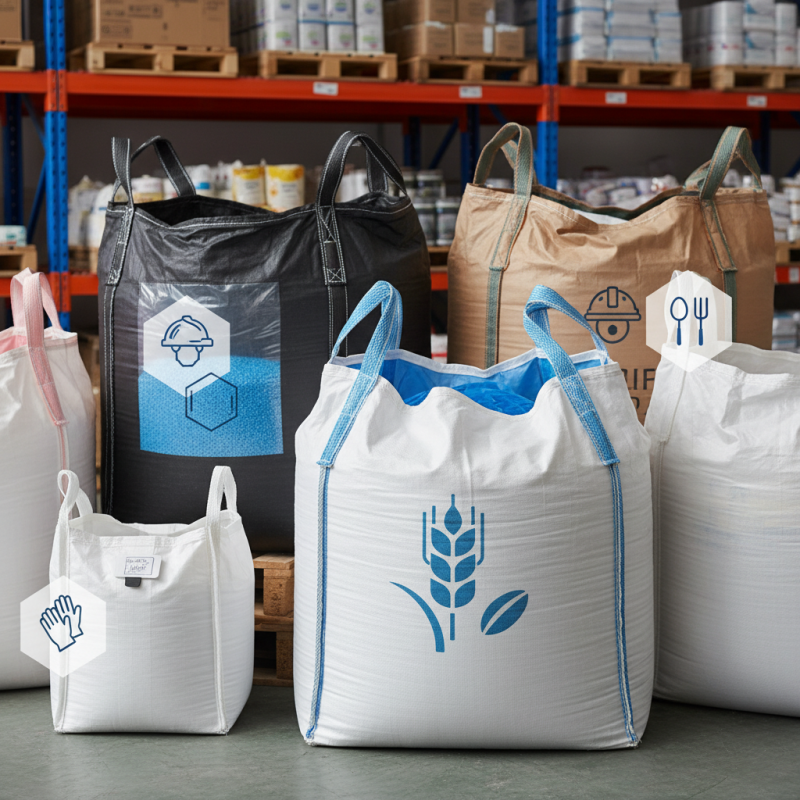
What are FIBCs and Their General Applications?
FIBCs, or Flexible Intermediate Bulk Containers, serve a vital role across various industries. These versatile bags can hold a significant volume of dry bulk materials, making them essential for transportation and storage. According to industry reports, the global FIBC market is projected to reach USD 6.4 billion by 2025, growing at a CAGR of 5% from 2020. This reflects a broad acceptance in sectors like agriculture, food, chemicals, and construction.
In the agricultural sector, FIBCs are ideal for storing grains, seeds, and fertilizers. These bags can hold up to 2000 kg of material, enhancing efficiency in logistics. In the food industry, sanitization is key. FIBCs designed for food-grade applications are subjected to strict regulations. This ensures that they meet safety standards, preventing contamination. The chemical industry relies on FIBCs for transporting hazardous materials. Proper labeling and strength are crucial here. Each application demands specific designs and manufacturing expertise.
Industry reports suggest that about 70% of FIBCs in use are generic, with only 30% tailored for specific applications. This indicates room for innovation and improvement. Custom solutions can balance cost with safety and efficiency. However, many organizations overlook this potential. As needs evolve, adaptability in FIBC production will be essential. Balancing standardization with customization represents a challenge. Finding the right approach is vital for maximizing benefits.
Understanding Industry Specific FIBCs: Definition and Importance
Industry specific FIBCs, or Flexible Intermediate Bulk Containers, serve vital roles across various sectors. These bags are designed with unique specifications to meet the requirements of specific materials. For instance, some industries demand bags that offer enhanced static protection. Others require specialized coatings to ensure moisture resistance. Understanding these specifics is critical for safety and efficiency.
The relevance of industry specific FIBCs cannot be overstated. Choosing the right container influences material safety, storage, and transportation. Incorrect selection can lead to significant operational risks. For example, a construction company might use generic bags, risking spillage of hazardous substances. A food processor, on the other hand, needs bags that meet food safety standards. These tailored solutions protect both the product and the business.
While the advantages are clear, some businesses may overlook these needs. Not all companies prioritize the nuances of their packaging. This oversight can lead to unnecessary challenges in logistics or quality control. Reflecting on the importance of industry specific FIBCs can help businesses optimize their operations. After all, every sector has its own unique demands that require attention.
Key Features of Industry Specific FIBCs
Industry specific FIBCs, or flexible intermediate bulk containers, are designed with unique attributes tailored to particular sectors. These containers accommodate varying product types, ensuring safety and efficiency throughout the supply chain. For example, FIBCs used in food processing are often constructed from food-grade materials. These materials resist contamination and meet stringent health regulations. This specialization also reduces the risk of product spoilage, crucial for the food industry.
Another key feature of these specific FIBCs is their durability. In the construction industry, for instance, FIBCs must withstand rough handling and harsh environments. Reinforced seams and UV-resistant fabrics enhance robustness. However, despite these advantages, selecting the right FIBC can still pose challenges. Companies must evaluate their products' needs carefully. Not all FIBCs are created equal, and a mismatch can lead to costs and inefficiencies. Understanding these nuances is essential for better decision-making in material handling.
What is Industry Specific FIBC and Why Does It Matter? - Key Features of Industry Specific FIBCs
| Dimension | Description |
| Material Type | Made from high-density polyethylene (HDPE) or polypropylene (PP) for durability. |
| Usage | Designed for specific industries like agriculture, chemicals, food packaging, and construction. |
| Load Capacity | Typically ranges from 500 kg to 2000 kg depending on the design and use case. |
| Dimensions | Available in various sizes; common dimensions include 90 cm x 90 cm x 110 cm. |
| Closure Type | May feature different closure types such as flaps, drawstring, or spouts for specific contents. |
| Safety Standards | Compliance with industry safety standards ensures quality and security. |
| Reusability | Designed for multiple uses, reducing environmental impact and cost. |
| Customization | Can be customized in size, color, and features according to specific industry needs. |
Major Industries Utilizing Industry Specific FIBCs
Industry specific FIBCs, or Flexible Intermediate Bulk Containers, play a crucial role across multiple sectors. These bags are designed to meet the distinct requirements of various industries, ensuring safety and efficiency in transporting materials. Sectors such as agriculture, construction, and food processing heavily rely on these specialized containers. They offer tailored solutions that standard FIBCs cannot provide.
Agriculture benefits greatly from industry specific FIBCs. These bags store grains, fertilizers, and seeds safely. The materials used often possess moisture resistance, preventing spoilage. In construction, FIBCs transport heavy materials like sand and gravel. Using durable, load-bearing fabrics enhances safety and minimizes damage during handling.
Tips: When choosing an FIBC, consider your specific materials and regulatory needs. Custom features can significantly enhance usability and compliance. Ensure proper training for team members on handling these bags to maximize safety.
Food processing also utilizes industry specific FIBCs. These bags often meet stringent hygiene regulations, ensuring safe transport of edible products. Some FIBCs are designed with anti-static properties to prevent contamination. It's essential to evaluate the specific needs of your industry to select the right FIBC type.
The Impact of Industry Specific FIBCs on Safety and Compliance
Industry-specific FIBCs (Flexible Intermediate Bulk Containers) play a vital role in ensuring safety and compliance across various sectors. In industries like food, pharmaceuticals, and chemicals, tailored FIBCs help meet rigorous regulatory standards. For instance, the Institute of Packaging Professionals reports that compliant packaging reduces contamination risks by up to 30%.
Using FIBCs designed for specific materials improves storage and transportation safety. These specialized containers often feature additional layers of safety and anti-static properties. According to data from the FIBC Association, improper use of generic FIBCs can lead to incidents, affecting worker safety. Quality control measures in production are essential to prevent mishaps.
Tips: Always choose FIBCs that meet industry standards. Check for certification labels. Regularly train employees on handling protocols. A small oversight can lead to significant consequences. Customizing containers may require more investment upfront but saves costs associated with accidents and compliance failures. This investment reinforces safety measures, ensuring smooth operations.
Impact of Industry Specific FIBCs on Safety and Compliance