2026 How to Choose Fluid End Modules for Global Buyers?

Choosing Fluid End Modules in 2026 requires more than comparing catalog prices. Global buyers must connect module design with pressure, fluid chemistry, operating temperature, and maintenance conditions. A module used for abrasive drilling mud may need different materials than one handling corrosive process fluid. Small differences matter.

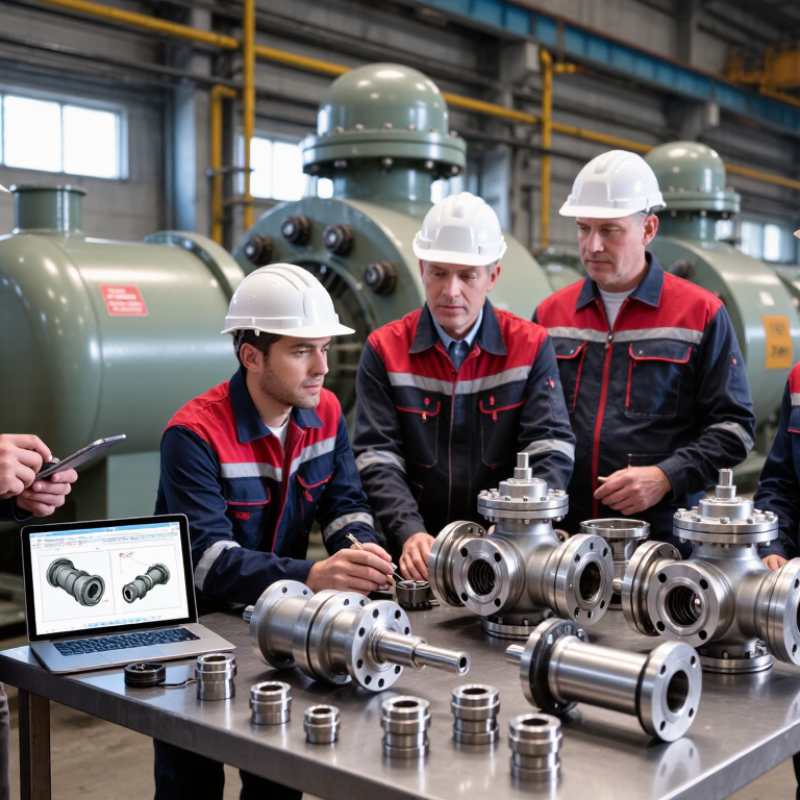
Real purchasing decisions often begin beside the pump, not inside a spreadsheet. Inspect the fluid path, valve seats, liners, plungers, seals, and connection points. Confirm dimensions against certified drawings. Check pressure ratings under the intended duty cycle, not only the maximum headline value. Material certificates, factory testing, traceable serial numbers, and documented quality procedures provide stronger evidence than marketing claims. Supplier experience also matters when spare parts must cross borders and arrive quickly.

Do not assume universal compatibility. Terminology and interfaces can vary between manufacturers, even when modules look similar. This is where careful verification prevents expensive downtime. Ask for service records, inspection criteria, warranty boundaries, and realistic lead times. A lower purchase price may hide machining changes, special tooling, or difficult replacement work. That risk is easy to underestimate.

This guide examines practical selection criteria for international buyers in 2026. It considers performance, lifecycle cost, supply reliability, technical support, and responsible sourcing. Some recommendations will depend on the application. That is unavoidable. A sound decision leaves room for testing, expert review, and correction when field evidence challenges the original plan.

2026 How to Choose Fluid End Modules for Global Buyers?

Define Fluid End Modules and Their Role in Pumping Systems

2026 How to Choose Fluid End Modules for Global Buyers?

A fluid end module is the pressure-side assembly of a reciprocating pump. It connects the pump chamber with the suction and discharge lines. Its main parts often include the fluid chamber, valves, plungers, seals, and related fittings. These components control liquid movement and withstand repeated pressure cycles. Think of it as the pump’s working interface. It is not the entire pump.

In field maintenance, technicians inspect fluid ends for cracks, valve wear, seal damage, and unusual vibration. A properly matched module can improve flow stability and reduce unplanned downtime. The wrong choice may cause leakage, overheating, or early component failure. Selection should consider fluid type, pressure, temperature, flow rate, solids, and corrosion risk. Material compatibility matters. Small details matter.

Global buyers also need accurate dimensions, test records, material certificates, and installation instructions. Ask whether the module matches the existing power end and connection layout. Local operating conditions can change the answer. No checklist is perfect. A practical review should include maintenance skills, spare-part access, and applicable safety requirements. Engineers sometimes focus heavily on pressure ratings and overlook cleaning conditions. That mistake can become expensive. Reliable suppliers provide clear technical documents and traceability, but documents cannot replace a careful fit check.

Identify Operating Conditions and Fluid Compatibility Requirements

2026 How to Choose Fluid End Modules for Global Buyers?

Identify Operating Conditions and Fluid Compatibility Requirements

Fluid end modules should be selected from measured duty, not a catalog photograph. Record discharge pressure, suction pressure, flow range, temperature, solids loading, gas content, and cycle frequency. Peak values matter more than averages. Pressure pulsation and frequent starts can expose weaknesses that steady-state calculations miss. API 674 offers a useful design framework for reciprocating positive-displacement pumps, but it cannot replace site-specific operating data.

Fluid compatibility begins with chemistry, not appearance. Check pH, chlorides, dissolved oxygen, solvent content, viscosity, and abrasive particles. Do not evaluate the wetted module alone. Seals, plungers, valves, gaskets, and fasteners may fail at different rates. The NACE IMPACT study estimated global corrosion costs at US$2.5 trillion annually, equal to 3.4% of global GDP. That figure is dated, yet the engineering warning remains relevant. Temperature can accelerate chemical attack, while grit can create rapid erosion. Compatibility charts are screening tools. Laboratory testing or field validation is safer for unfamiliar fluids.

Global buyers should request traceable material certificates, pressure-test records, and a defined inspection plan. Ask whether the stated pressure is continuous, cyclic, or emergency. A fluid labeled “water-based” may still contain chlorides, biocides, or suspended grit. Small wording differences matter. One uncomfortable lesson remains: a perfect spreadsheet can still hide incomplete process data. Conservative assumptions should be documented, reviewed, and challenged before procurement.

Compare Materials, Designs, and Pressure Performance

How to Choose Fluid End Modules for Global Buyers

Selecting a fluid end module begins with the fluid itself, not the catalog pressure. Carbon steel suits many non-corrosive applications and offers strong value. Stainless steel performs better with moisture, chemicals, and repeated cleaning. Duplex alloys may resist chloride corrosion, but their cost and fabrication requirements need careful review. For highly aggressive fluids, nickel-based materials can be appropriate. Material certificates and documented heat treatment should accompany every critical order.

Design affects service life as much as material. A replaceable modular layout can shorten maintenance time and reduce inventory pressure. Smooth internal passages help limit turbulence and erosion around valves, seats, and discharge ports. Forged bodies usually provide consistent strength, while cast designs may offer complex shapes at lower cost. That choice is not always obvious. I have seen buyers select premium alloys while overlooking poor sealing geometry. The result was disappointing.

Pressure performance requires more than reading the highest number on a datasheet. Check working pressure, test pressure, temperature limits, pressure cycling, and pulsation loads together. A module rated for 1,000 bar may perform poorly if vibration, corrosion, or frequent starts are ignored. Ask for hydrostatic test records, non-destructive examination, dimensional reports, and traceable material documentation. Confirm the rating against the complete assembly, including bolts, seals, valves, and connections. One detail is often missed: actual operating pressure should include realistic surges, not only steady readings.

2026 How to Choose Fluid End Modules for Global Buyers? - Compare Materials, Designs, and Pressure Performance

The comparison below summarizes commonly specified fluid-end module options for reciprocating mud pumps and similar high-pressure pumping systems. Pressure ratings are typical selection ranges, not universal limits; the final rating must be confirmed against the pump design, operating temperature, fluid chemistry, fatigue calculations, applicable standards, and manufacturer documentation.

Module Option Typical Material Typical Hardness / Strength Characteristics Common Design Configuration Typical Working Pressure Range Pressure and Fatigue Performance Corrosion and Erosion Resistance Temperature Suitability Maintenance Profile Best-Fit Applications Key Buyer Checks
Standard forged alloy-steel module Quenched-and-tempered low-alloy steel, commonly based on chromium-molybdenum grades such as 4130 or 4140 equivalents Typical yield strength: approximately 650–950 MPa, depending on grade, section size, heat treatment, and qualification testing Forged monoblock or replaceable-module body with separate liners, valve seats, plugs, and fluid seals 3,000–7,500 psi
(207–517 bar)
Good balance of strength, toughness, cost, and fatigue resistance when properly forged, heat-treated, and inspected Moderate resistance; requires coating, corrosion inhibitor, good fluid control, and timely removal of abrasive solids Commonly suitable for approximately -20°C to 120°C, subject to seal and material qualification Good serviceability; liners, seats, valves, and packing can usually be replaced without replacing the complete body General water-based mud, drilling fluids, well-service fluids, and routine industrial high-pressure pumping Verify forging quality, heat-treatment records, ultrasonic inspection, bore geometry, liner fit, and pressure-test documentation
High-strength forged alloy-steel module Higher-strength quenched-and-tempered alloy steel with controlled chemistry and tighter heat-treatment requirements Typical yield strength: approximately 800–1,100 MPa; toughness and fatigue properties depend strongly on section thickness and processing Heavy-wall modular or monoblock fluid end with optimized flow passages and reinforced discharge areas 7,500–15,000 psi
(517–1,034 bar)
Best suited to high-pressure service when supported by documented fatigue analysis, non-destructive examination, and cyclic pressure testing Moderate intrinsic corrosion resistance; high-strength steels may be more sensitive to hydrogen-assisted cracking if exposed to unsuitable sour-service conditions Typically suitable for approximately -20°C to 120°C; low-temperature toughness and seal limits must be separately confirmed Higher inspection and maintenance discipline required; replaceable wear parts help control lifecycle cost High-pressure drilling, fracturing, cementing, acidizing, and demanding well-service cycles Confirm design pressure versus maximum allowable working pressure, fatigue life, sour-service suitability, fracture toughness, and test-cycle requirements
Stainless-steel fluid-end module Martensitic or precipitation-hardening stainless steel selected for strength and improved general corrosion resistance Strength varies widely by grade and heat treatment; high-strength grades may provide approximately 700–1,200 MPa yield strength Modular body with corrosion-resistant wetted surfaces, replaceable liners, seats, and elastomer-compatible sealing system 3,000–10,000 psi
(207–689 bar)
Good pressure capability in properly qualified grades; fatigue performance depends on surface finish, inclusions, machining, and residual stresses Better resistance than conventional alloy steel in many water-based and mildly corrosive fluids; not automatically suitable for every chloride or sour environment Often suitable for approximately -20°C to 150°C, depending on grade, seals, and thermal cycling Lower external corrosion burden; internal wear components may still need routine replacement in abrasive service Corrosive water-based fluids, chemical-transfer duties, offshore environments, and applications where reduced coating maintenance is valuable Check chloride concentration, pH, hydrogen-sulfide exposure, galvanic compatibility, hardness limits, and actual corrosion-test data
Duplex stainless-steel module Duplex or super-duplex stainless steel with a controlled ferrite-austenite microstructure Typical yield strength may be approximately 450–800 MPa, depending on grade; corrosion performance is highly dependent on fabrication and heat treatment Corrosion-resistant modular fluid end, normally using replaceable wear components and carefully controlled weld-free or qualified-forging construction 3,000–7,500 psi
(207–517 bar)
Good toughness and strength-to-weight ratio; pressure-cycle performance requires strict control of microstructure, machining, and surface condition Strong resistance to chloride pitting and stress-corrosion cracking compared with many standard stainless grades Usually suitable for approximately -20°C to 120°C; prolonged exposure to elevated temperatures can reduce corrosion performance if phase balance is affected Longer corrosion-related service intervals are possible, but material cost and qualification requirements are higher Seawater-related service, offshore pumping, high-chloride fluids, and corrosive process applications Verify ferrite content, solution-annealing records, pitting-resistance requirements, weld qualification, and compatibility with the process fluid
Nickel-alloy-clad or corrosion-resistant wetted module High-strength steel pressure body with a qualified nickel-alloy overlay, insert, or corrosion-resistant wetted component Pressure-body strength is provided by the backing steel; corrosion performance is provided by the qualified alloy layer or insert Composite or selectively clad fluid end with replaceable liners and erosion-resistant flow-path components 5,000–15,000 psi
(345–1,034 bar)
Can combine high structural strength with strong corrosion resistance, but bond integrity, cladding thickness, and defect control are critical Very good resistance for selected acidic, sour, chloride-rich, or chemically aggressive fluids when the alloy is correctly matched Potentially suitable above 150°C, but the complete system rating is limited by seals, liners, valves, and thermal expansion Higher initial cost; planned inspection of the wetted layer and erosion-prone areas is essential Severe corrosive service, specialized well stimulation, sour environments, and high-value process pumping Confirm alloy compatibility, cladding procedure, minimum remaining thickness, porosity testing, dissimilar-metal effects, and sour-service compliance
Replaceable wear-module system Forged alloy-steel pressure body combined with hardened liners, valve seats, pistons, and erosion-resistant inserts Body strength is selected for pressure duty; wear components commonly use hardened alloy steel or specialized wear-resistant materials Split or cartridge-style fluid end designed for rapid replacement of the wetted module or high-wear components 3,000–10,000 psi
(207–689 bar)
Pressure capacity depends on the pressure body and locking arrangement; excellent lifecycle performance when wear parts can be changed before body damage occurs Moderate to good, depending on liner and insert materials; the replaceable architecture limits the cost of erosion damage Commonly suitable for approximately -20°C to 120°C, subject to seal and liner specifications Fastest maintenance and reduced downtime; requires accurate spare-module control and correct installation torque Abrasive mud, sand-laden fluids, frequent duty changes, remote sites, and operations where downtime is expensive Check interchangeability, module weight, lifting provisions, seal kits, spare-part availability, alignment tolerances, and installation procedures
Large-bore low-speed fluid-end module Forged or cast-and-forged alloy steel, selected for high volumetric flow and moderate-to-high pressure duty Strength is commonly balanced with fracture toughness and thick-section inspection; exact properties depend on the pressure class and bore size Large fluid passages, robust valve pockets, replaceable liners, and geometry optimized to reduce pressure loss and flow turbulence 3,000–7,500 psi
(207–517 bar)
Good for high flow at controlled pump speed; larger bores require careful stress analysis around valve pockets and corners Moderate; erosion risk increases with high solids concentration and excessive fluid velocity Typically suitable for approximately -20°C to 120°C, depending on seals and fluid composition Wear parts are accessible, but components are heavier and may require lifting equipment or planned maintenance windows High-flow drilling, mining slurry transfer, industrial cleaning, and heavy-duty water or mud circulation Compare flow rate, piston speed, valve size, pressure drop, erosion allowance, lifting requirements, and available installation space
Compact high-pressure modular system High-strength forged alloy steel, sometimes combined with corrosion-resistant or hardened wetted inserts High strength and fatigue resistance are prioritized; qualification normally requires detailed finite-element and cyclic-pressure evaluation Compact replaceable module with short flow paths, reinforced discharge passages, and closely controlled valve and liner interfaces 7,500–15,000 psi
(517–1,034 bar)
Efficient for high-pressure duty where space and weight are constrained; sensitive to improper assembly, misalignment, and pressure pulsation Moderate unless corrosion-resistant wetted components are specified; erosion protection is important in proppant- or solids-bearing fluids Usually suitable for approximately -20°C to 120°C; high-temperature versions require separate seal and metallurgy validation Planned inspection is essential; modular replacement can reduce downtime but spare units must be available High-pressure well service, compact skid packages, offshore equipment, and mobile pumping systems Confirm pulsation dampening, bolt and clamp preload, pressure relief protection, fatigue life, module interchangeability, and transport constraints

Notes: 1 psi = 0.0689476 bar. Working-pressure ranges shown are representative industry selection bands and should not be treated as certification values. For global procurement, request material certificates, heat-treatment records, dimensional inspection reports, non-destructive examination results, hydrostatic or cyclic pressure-test records, seal compatibility data, and compliance documentation against the applicable project standard, such as API 7K or the purchaser’s approved specification.

Evaluate Manufacturing Standards, Interchangeability, and Supplier Quality

2026 How to Choose Fluid End Modules for Global Buyers?

When selecting fluid end modules, compare manufacturing standards before comparing prices. A low quote can hide weak inspection controls or inconsistent metallurgy. Confirm the required pressure class, material grade, heat treatment, and dimensional tolerances. Ask for certificates with traceable heat numbers. Test records should match the shipped components, not a generic sample.

Interchangeability needs more than a matching catalog number. Check bolt patterns, fluid passages, plunger dimensions, seal grooves, and connection sizes. Review drawings carefully. A module may fit the frame but still reduce flow or create vibration. Confirm compatibility with existing valves, packing systems, and maintenance tools. Small differences can cause expensive downtime. No checklist catches everything.

Supplier quality depends on repeatable evidence. Request process-control plans, calibration records, non-destructive examination reports, and pressure-test results. A capable supplier should explain how defects are contained and corrected. Factory audits can reveal storage problems, mixed materials, or unclear inspection points. Sample approval helps, but it is not proof of long-term consistency. One practical warning: strong documents cannot replace production experience. Ask how the supplier handled a failed batch, a late material report, or a difficult tolerance. Honest answers often reveal more than polished presentations.

How to read this chart: The recommended procurement weighting prioritizes documented manufacturing standards, verified interchangeability, and supplier quality controls. Buyers should request API 7K or applicable equipment compliance evidence, ISO 9001 certification, material test records, dimensional drawings, pressure-test reports, traceability documents, and evidence of compatibility with ISO 15156 requirements when sour-service conditions apply. The percentages represent a neutral buyer-side evaluation model, not company or brand performance data.

Select the Best Module Based on Cost, Service, and Global Logistics

Choosing a fluid end module is a cost, service, and logistics decision. The lowest quotation can become expensive after machining, seals, freight, and downtime are added. Compare total landed cost, not only the purchase price. Include inspection, spare parts, warranty response, and expected service life. In field work, a correctly matched pressure rating and material grade prevent painful surprises.

Service access matters just as much. Ask for dimensional drawings, material certificates, pressure-test records, and clear replacement procedures. A supplier should explain compatibility with the pump, fluid, temperature, and operating cycle. The World Bank Logistics Performance Index 2023 evaluates 139 economies across customs, infrastructure, tracking, and delivery reliability. Use those factors when judging a supplier’s service network, not just its website claims. Local technical support may save more than a small discount.

Global delivery also deserves engineering attention. UNCTAD reports that about 80% of global merchandise trade by volume moves by sea. Ocean freight can reduce unit cost, but port delays and damaged packaging can disrupt a maintenance schedule. Select corrosion protection, sealed crates, and documented spare-part packing. Keep critical modules near the operating site when downtime is costly. A two-source plan may improve resilience, though it can increase qualification work. No choice is perfect. Recheck assumptions against real consumption, lead times, and failure records before approval.

Go to Top