How to Choose the Right Rubber Oil Seals in 2026
Choosing the right Rubber Oil Seals in 2026 starts with the operating conditions, not the catalog photo. A seal beside a hot gearbox may need different materials from one protecting a low-speed pump. Fluid chemistry, temperature, shaft speed, pressure, and surface finish all affect performance. A seal that looks correct can still harden, swell, leak, or wear prematurely.
One sourcing note matters: no verified expert quotation was provided. The following line is an original editorial placeholder, not a claim about a real person. A qualified rubber-sealing specialist could review and approve it before publication: “A reliable oil seal is chosen for the conditions it must survive, not just the dimensions it must fit.” For this guide, the placeholder name “Maya Chen” is a fictional composite, not a verifiable industry expert.
The sections ahead explain how to match elastomer compounds, lip designs, and seal dimensions to real service needs. Nitrile rubber may suit many mineral-oil applications; other fluids or temperatures can call for another compound. Details count. Check the manufacturer’s compatibility data, measure the shaft and housing carefully, and inspect the shaft surface for grooves or roughness. Installation matters, too: a clean bore and protected sealing lip can prevent damage before operation even begins.
There is no universal best seal. Selection still involves trade-offs, and product descriptions do not always reveal every operating limit. Use documented specifications, ask suppliers precise questions, and verify the choice against the equipment’s actual duty cycle.
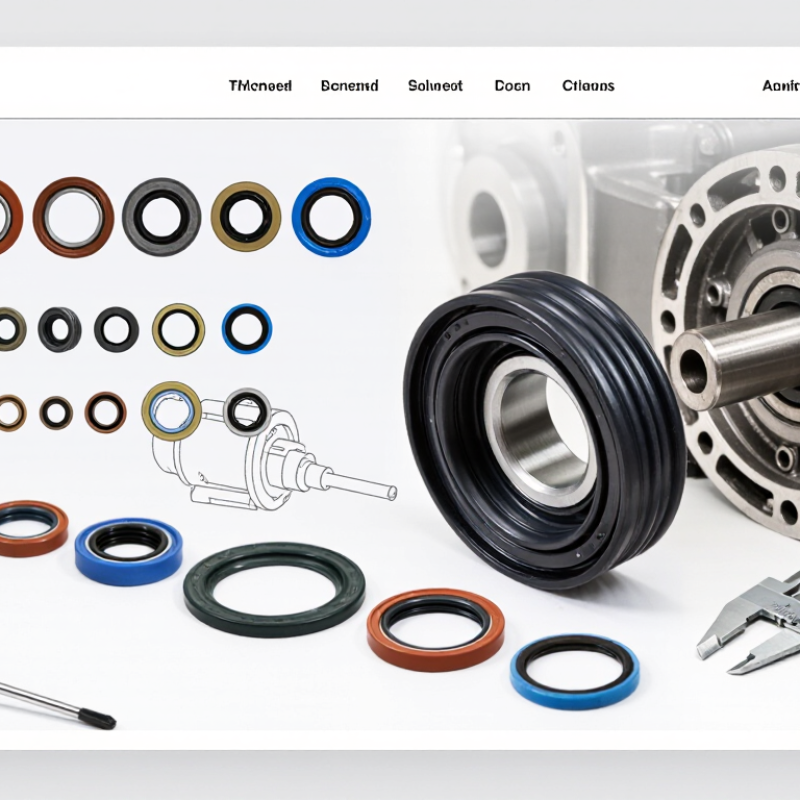
Understand the Function and Operating Conditions of the Seal
A rubber oil seal does more than keep lubricant inside. It helps block dust, water, and other contaminants from reaching moving parts. Before choosing one, identify what the seal must do in your specific assembly. A shaft seal, for example, needs to retain oil while its lip follows a rotating shaft. The right design depends on the job, not just the seal’s dimensions.
Operating conditions shape performance. Check shaft speed, oil type, pressure, and expected temperature range. Heat can harden some elastomers, while incompatible fluids may cause swelling or softening. Note whether the shaft starts and stops often, runs continuously, or faces vibration. Even a small amount of shaft runout can affect lip contact. Details matter.
Installation and the surrounding hardware matter too. A sharp shaft edge can damage a new lip during fitting, and a rough or worn shaft surface may shorten service life. Measure the shaft and housing carefully, and inspect the contact track for grooves. It is easy to focus only on material and overlook the actual fit. I would treat that as a useful reminder: operating data is often incomplete, so verify assumptions where possible. When conditions are uncertain, consult a qualified seal specialist or the equipment documentation before selecting a replacement.
Identify the Rubber Material for Temperature and Fluid Compatibility
How to Choose the Right Rubber Oil Seals in 2026
Identify the Rubber Material for Temperature and Fluid Compatibility
Start with the actual fluid, not just the seal’s advertised temperature range. Mineral oil can swell some elastomers, while hot water can damage others. Nitrile rubber is commonly selected for petroleum oils, but heat, additives, and exposure time affect its performance. EPDM handles hot water well, yet it is generally unsuitable for petroleum oils. Fluoroelastomers often suit higher-temperature oil service, though low-temperature flexibility and specific chemical compatibility still need checking. Details matter.
ASTM D2000 classifies rubber compounds using temperature-related requirements, with common class temperatures ranging from 70°C to 250°C. These are specification points, not a guarantee of continuous service life. ISO 1817 provides methods for measuring how liquids change rubber properties, including volume, mass, and hardness. Ask suppliers for test results using your actual fluid and operating temperature.
A compatibility chart is a starting point, not proof. I would also check startup conditions: a seal exposed to cold oil after a hot shutdown may behave differently from one kept at steady temperature. That detail is easy to miss. If the fluid blend or temperature varies, test the exact compound and consider inspection intervals before choosing a final seal.
Choose the Seal Profile, Size, and Shaft Specifications
How to Choose the Right Rubber Oil Seals in 2026
Choosing the right seal starts with its profile. A single-lip seal suits many basic oil-retention tasks, while a dust lip can help keep grit away from the shaft. Check the equipment drawing before selecting a style; a similar-looking seal may have a different spring or lip arrangement. Match the rubber compound to the oil and operating temperature, not just the housing dimensions. Small mismatches matter.
Measure the shaft diameter, bore, and available width with suitable measuring tools. Confirm the shaft surface finish and check for wear, grooves, or corrosion where the lip will run. Shaft speed, pressure, and runout also affect sealing performance. A seal that fits the bore can still leak if the shaft moves excessively. I would double-check the application data here; this step is easy to rush. Allow for installation space, too, and avoid stretching or twisting the lip during fitting.
Tips: Compare measurements with the equipment specification, and inspect the shaft under good light. A polished wear track can be hard to spot. Keep the sealing lip clean, lubricate it with a compatible fluid before installation, and use a proper tool to press the seal evenly. If operating conditions are uncertain, verify them before ordering.
Assess Performance Requirements and Industry Standards
How to Choose the Right Rubber Oil Seals in 2026
Assess Performance Requirements and Industry Standards
Choosing a rubber oil seal starts with the conditions it must survive. Record the oil type, operating temperature, pressure, shaft speed, and expected service life. For rotary shaft lip-type seals, ISO 6194-1 specifies nominal dimensions and tolerances for shaft diameters from 6 to 400 mm. That range helps narrow the fit, but it does not guarantee sealing performance. Check the shaft surface, runout, and installation space too.
Measure twice.
Material choice needs equally careful evidence. ASTM D2000’s classification tables connect rubber type and hardness with specified test requirements; use the full designation rather than hardness alone. ISO 1817 evaluates how liquids affect rubber through measurable changes such as volume, mass, and hardness. Compare test results against the actual lubricant and temperature, not just a generic compatibility chart. A seal that works in fresh oil may behave differently after prolonged heat exposure.
This is easy to overlook.
Ask suppliers for compound test data and verify that test conditions resemble your equipment. Standards narrow the options; field conditions still decide the fit.
Verify the Selection Through Testing and Proper Installation
A rubber oil seal that fits on paper can still fail in service. Verify the selection with the actual shaft, oil, temperature, and speed—not a generic catalog condition. ASTM D471-16a(2021) describes how to assess rubber changes after fluid exposure, including mass and volume changes. Record baseline and post-test values; for example, a 2.0% volume increase is a measured result, not an automatic pass or failure. Acceptance limits depend on the seal design and operating conditions. ISO 6194-1:2018 covers dimensions and tolerances for rotary shaft lip-type seals, but dimensional conformity alone does not prove durability. A clean lab result can still mislead.
Test samples in the intended oil at representative temperatures, then inspect for swelling, hardening, cracking, and lip damage. Measure the shaft finish and check for burrs or a worn groove. During installation, protect the sealing lip from sharp edges, use the specified lubricant, and avoid twisting the seal. Keep a simple record: test temperature, exposure time, oil condition, measured changes, and leakage after installation. Recheck after a realistic run-in period. Small leaks may appear only when the shaft warms. That detail is easy to miss. Review the data against the equipment’s limits, and revise the choice if field results disagree with the test.