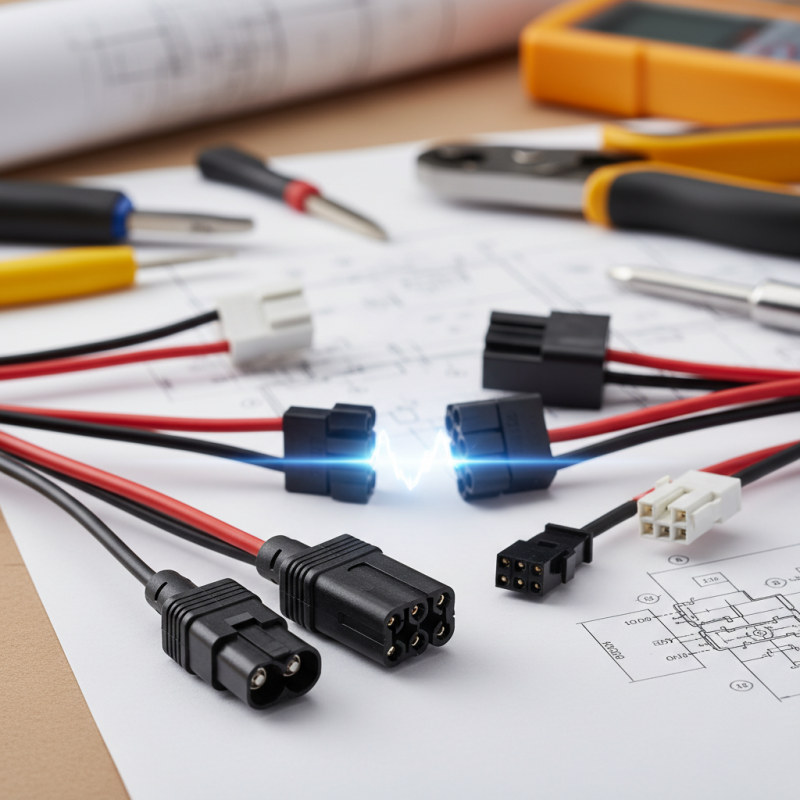
How to Choose the Right Battery Connector for Your Needs?
Choosing the right Battery Connector is crucial for any electrical project. It ensures safety and efficiency in power distribution. With countless options available, the decision can be overwhelming. A suitable battery connector maintains a secure connection and minimizes power loss.
Consider the application of the connector. Is it for high energy usage? Or is it for lighter devices? Knowing your needs guides you toward the correct type. Factors like voltage, current capacity, and environmental conditions also come into play. Each detail matters in achieving optimal performance.
Reflect on your previous experiences with battery connectors. Have you faced issues like overheating or disconnections? Such challenges highlight the importance of choosing wisely. An informed selection can lead to better durability and performance in your projects. A thoughtful approach today can prevent future frustrations.
Understanding Different Types of Battery Connectors Available
Choosing the right battery connector is crucial for performance and safety. Several types are available, each with specific applications and advantages. For example, the Anderson Powerpole connectors are widely recognized for their versatility and ease of use in various environments. They excel in applications ranging from robotics to renewable energy systems.
Another popular choice is the XT60 connector. Its robust design allows for high current flow, making it ideal for applications such as drone racing or electric vehicles. According to industry reports, connectors like the XT60 can handle up to 60 amps, ensuring reliability under heavy load. However, their rigid structure can make them challenging to work with in tighter spaces.
Manufacturers recommend evaluating the specific requirements of your project. Consider factors such as current rating, voltage drop, and physical size. Misjudging these specifications can lead to overheating or failure. Additionally, some connectors may lack adequate insulation, posing risks. Users must make informed decisions based on both technical specifications and practical application scenarios.
Evaluating Electrical Specifications for Battery Connector Selection
When selecting a battery connector, electrical specifications are crucial. Consider the voltage and current ratings to ensure compatibility with your devices. Choose connectors that can handle the expected load without overheating or causing failures. Make sure the connector's design can withstand environmental factors like humidity and temperature.
Tips: Always check the manufacturer's specifications. This will save time and reduce errors. Ensure the connector can provide a secure connection to prevent intermittent issues.
A well-chosen battery connector will enhance performance. However, keep in mind that a cheaper option may lead to inefficiencies. Look for connectors that offer both durability and performance. Investing the time in selection is essential. Reflect on past experiences to avoid repeated mistakes.
Assessing Environmental Factors Impacting Connector Performance
When selecting a battery connector, environmental factors play a crucial role. Temperature, humidity, and exposure to chemicals can all affect connector performance. For instance, extreme temperatures may cause some materials to warp or lose conductivity. Connectors exposed to high humidity can lead to oxidation, resulting in poor electrical connections.
Consider the specific environment where the connectors will be used. Industrial settings may have dust, moisture, or corrosive elements that necessitate rugged designs. Similarly, outdoor applications require connectors that can withstand UV rays and temperature fluctuations. However, it’s easy to overlook these factors during the selection process. A connector that works well indoors may fail outdoors.
It’s important to evaluate the materials used in connectors. Some materials offer better resistance to environmental stress but may be more expensive. Striking a balance between price and performance is vital. Understanding your application deeply can guide your choices, but always be open to reassessing your options. Connector performance is not fixed; it can change based on conditions. Feedback from actual usage can reveal hidden weaknesses.
Determining Compatibility with Devices and Equipment
When selecting a battery connector, compatibility with your devices is crucial. Not all connectors work with every equipment type. Understanding the specifications of your device is essential. Look for the voltage and current requirements first. Match these with the connector’s ratings for safe operation.
Additionally, consider the physical dimensions of connectors. They come in various shapes and sizes. Ensure that the connector fits snugly into the device port. A loose connection can lead to power loss or device malfunction. It’s wise to check the type of materials used as well. Some materials may not hold up under certain environmental conditions.
Don’t overlook the importance of pin configurations. Different devices may have unique arrangements. This variation can hinder proper connectivity. While it might seem simple, this step is often neglected. Take time to verify both the layout and the number of pins needed. A careful assessment here can save you from future complications.
Tips for Proper Installation and Maintenance of Battery Connectors
When installing battery connectors, attention to detail is crucial. Start by ensuring the connection points are clean. Any dust or corrosion can impede performance. A wire brush or contact cleaner can help maintain a clean surface. This step is vital for preventing future issues.
Proper torque is essential during installation. Over-tightening can damage connectors and create safety hazards. Conversely, loose connections can lead to intermittent power issues. Always refer to the manufacturer’s specifications when tightening. Remember, each connector may have different requirements.
Regular maintenance is vital for prolonging the life of battery connectors. Inspect them periodically for signs of wear or corrosion. A visual check every few months can prevent major problems. It's important to replace worn connectors promptly. Delaying this can lead to more extensive damage and potential system failures.