How to Choose the Best Relative Humidity Controller for Your Needs?
Choosing the right Relative Humidity Controller is crucial for various applications. Jonathan Reed, an HVAC industry expert, states, "The right controller can make all the difference in maintaining optimal conditions." This highlights the significance of making an informed choice.
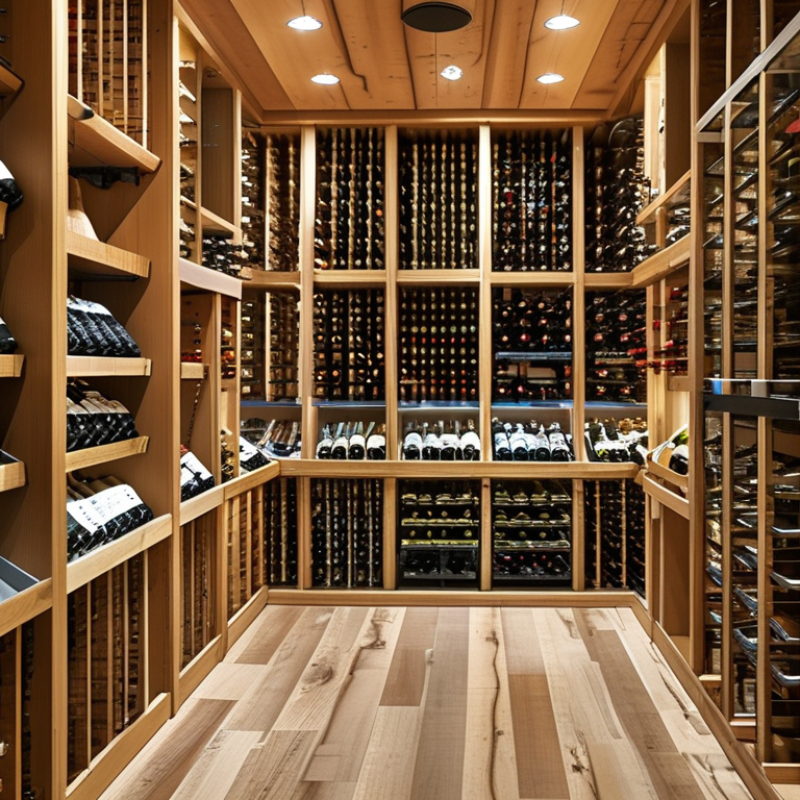
When selecting a Relative Humidity Controller, consider your specific needs. Different environments require different humidity levels. A wine cellar needs a stable humidity, while a data center must avoid excess moisture. Understanding your requirements will guide your decision.
Also, the features offered by various controllers differ widely. Some provide advanced analytics and real-time monitoring, while others may simply turn on and off. It’s essential to reflect on what you need. Not all controllers are equal. Your choice can deeply affect comfort and equipment longevity. Careful evaluation is key to finding the best option.
Understanding Relative Humidity and Its Importance
Relative humidity (RH) holds significant sway over our environment. It affects comfort, health, and many industrial processes. Maintaining the right RH levels is key to avoiding issues like mold growth, discomfort, and damage to materials. For instance, a high RH level can lead to dampness, while low RH can cause dryness, both of which can be problematic.
Tips: Consider your specific environment when choosing a humidity controller. A home may require different settings than a workshop. Evaluate factors like temperature and air circulation. Ensure your controller offers features like real-time monitoring and adjustable settings.
Some people overlook the importance of RH in their daily lives. They may not realize that plants thrive best within specific humidity parameters. Likewise, electronic devices may function improperly if RH levels stray too far from ideal ranges. Small fluctuations can cause big issues over time.
Tips: Regularly check your humidity levels with a digital hygrometer. This simple action can help you understand your environment better. Adjust your controller settings accordingly. It is a straightforward way to ensure optimal conditions.
Key Features to Look for in a Humidity Controller
When selecting a humidity controller, understanding key features is crucial. Look for reliable humidity sensing technology. Most effective devices use capacitive or resistive sensors. These sensors ensure accuracy within 2-5% RH. This precision can significantly affect indoor air quality.
Another essential feature is the control range. A good humidity controller should function efficiently across a variety of levels, ideally from 20% to 80% RH. Some reports suggest that optimal humidity levels may improve respiratory health and productivity. Moreover, a responsive controller can adapt to sudden changes in environment, thus maintaining a stable atmosphere.
User interface design matters too. A clear display and intuitive controls enable users to make adjustments effortlessly. Certain models provide smartphone connectivity, allowing remote monitoring and control. While these features are beneficial, consider their potential drawbacks. Complexity could lead to user errors. Balancing usability and functionality is key for effective humidity management.
How to Choose the Best Relative Humidity Controller for Your Needs?
| Feature | Description | Importance |
| Measurement Range | The range of humidity levels the controller can measure and manage. | High |
| Accuracy | The degree to which the controller reads the humidity levels accurately. | High |
| Response Time | How quickly the controller reacts to changes in humidity. | Medium |
| Control Type | The method of control, such as on/off, proportional, or PID control. | High |
| User Interface | The ease of use of the display and control settings. | High |
| Power Source | The type of power supply needed for the controller: AC, DC or battery. | Medium |
| Size and Portability | Physical dimensions and weight of the controller for placement and mobility. | Low |
| Additional Features | Any extra functionalities like Wi-Fi connectivity, alarms, or data logging. | Variable |
Types of Humidity Controllers and Their Applications
When selecting a humidity controller, understanding the types available is crucial. Humidity controllers can be divided into three primary categories: standalone, integrated, and smart controllers. Standalone units are simple and cost-effective, ideal for small spaces like home basements. Integrated models, on the other hand, are built into larger systems, providing seamless humidity management. Smart controllers utilize advanced technology to optimize performance and can be integrated with IoT systems, allowing for remote monitoring and control.
According to a report from Research and Markets, the global humidity control market is projected to reach $5.4 billion by 2026. This growth highlights the increasing need for humidity management across various sectors, including agriculture and pharmaceuticals. Each application demands specific features; for example, agricultural settings require precise controls to maintain ideal growing conditions. In contrast, pharmaceutical settings demand stricter humidity regulation to ensure product safety. As these industries evolve, the reliance on effective humidity control will only deepen.
Selecting the right controller goes beyond just the type. Consider your specific environment and application needs. For example, a sensitive environment may require a controller with advanced features like real-time alerts. Reflect on the feedback from manufacturers and users about their experiences; this can reveal common pitfalls. Balancing features with usability will ensure that you make a well-informed decision that meets your unique requirements.
Factors to Consider When Choosing a Humidity Controller
Selecting the right relative humidity controller is crucial for various applications. Understanding the specific needs of your environment is essential. Consider factors such as the area size and the level of humidity control required. For instance, a greenhouse may require precise adjustments to foster plant health. In contrast, a simpler device might suffice for a small residential space. Pay attention to the sensor accuracy, as it greatly affects performance.
The ease of use cannot be overlooked. User-friendly interfaces contribute to effective monitoring. Look for features like digital displays and remote control options for added convenience. Reliable humidity controllers provide consistent readings and adjustments. However, not all devices operate flawlessly. Some may struggle to maintain stable humidity levels, leading to potential issues in your environment.
Find a balance between features and price. It’s tempting to opt for high-end devices, but they may not be necessary for your specific situation. Review user feedback and expert reviews for insights into reliability. Remember, it’s essential to choose a product that aligns with your unique needs rather than following trends. Investing time in research now could prevent significant issues later down the line.
Maintenance Tips for Optimal Performance of Humidity Controllers
Humidity controllers play a vital role in maintaining optimal conditions in various environments. To ensure their effectiveness, regular maintenance is crucial. According to industry reports, poorly maintained humidity controllers can lead to efficiency drops of up to 30%. This underscores the importance of adopting systematic maintenance practices.
One key tip is to check filters and replace them regularly. Dirty filters can impede airflow and decrease humidity control efficiency. Monthly inspections often reveal whether filters need cleaning or replacing. Additionally, ensure that the sensor is accurately calibrated. A miscalibrated sensor can result in incorrect humidity readings, impacting overall performance.
It's also essential to clean the unit periodically. Dust and debris can accumulate over time, affecting the controller's functionality. Use a soft cloth and gentle cleaning solution for this purpose. Remember that simple maintenance tasks can dramatically affect system reliability. Tracking performance data and patterns can also help identify when a controller needs attention, or if there are underlying issues that need addressing. Regular maintenance ensures that you can rely on your humidity controller to perform at its best.