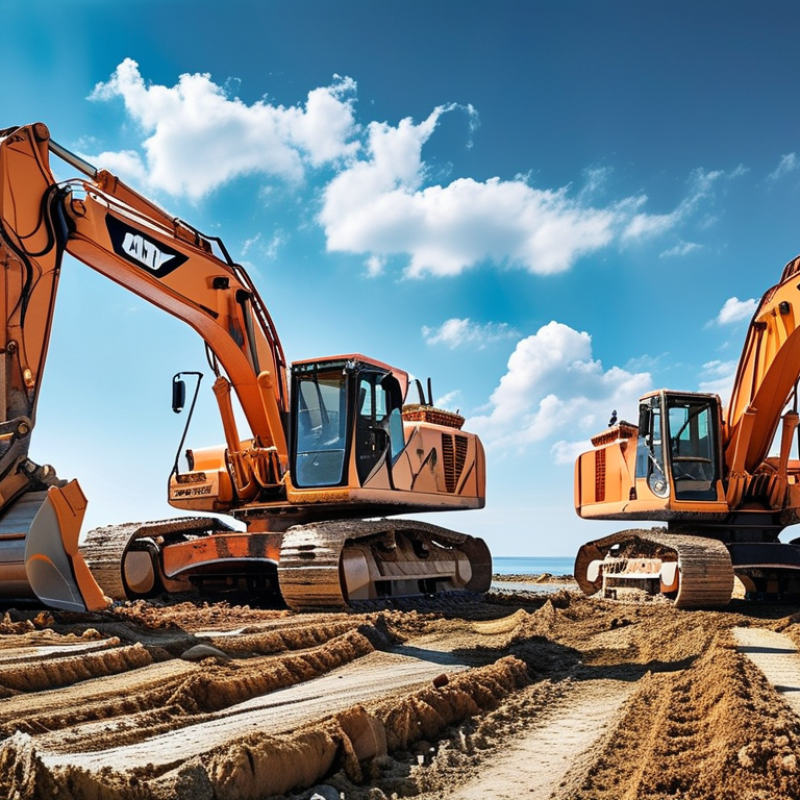
How to Choose the Best Large Excavator for Your Needs?
Choosing the best Large Excavator for your project can be challenging. The decisions you make can greatly impact efficiency and costs. Understanding your specific needs is crucial for selecting the right equipment.
Large excavators come in various sizes and capabilities. Each model offers different features that cater to distinct tasks. For instance, if you need power for heavy digging, a more robust machine is necessary. However, that comes with increased costs and operating complexity.
Consider the terrain and the type of work involved. Will you be working on uneven ground or in tight spaces? Evaluating these factors will help narrow down your options. It’s important to reflect on past experiences and make informed choices. Most importantly, ensure the excavator matches your operational goals and budget. Balancing reliability with capabilities sets the stage for successful projects.
Understanding the Different Types of Large Excavators Available
When selecting a large excavator, understanding the different types available is crucial. Each type serves unique functions, making it essential to match the machine to your project requirements. The most common large excavators include hydraulic, cable-operated, and mini excavators. Hydraulic excavators dominate the market, accounting for nearly 70% of all excavator sales, thanks to their versatility and power.
Hydraulic excavators come in various sizes, often categorized by operating weight. For instance, machines ranging from 20 to 25 tons are ideal for medium-sized projects. The data shows that these models are highly praised for their efficiency in urban settings. Meanwhile, cable-operated excavators are less common but are still valuable for specific applications, particularly in remote locations or for dredging tasks. On the other hand, mini excavators, although smaller, are frequently used on tight sites, providing essential functionality where larger machines cannot operate.
It’s important to consider engine types, maintenance needs, and operating costs when choosing. Many models boast average fuel consumption rates of 5 gallons per hour, which can significantly impact budget planning over long-term projects. Furthermore, the durability of parts can vary, leading to potential downtimes. A thorough evaluation of these factors can help mitigate risks and enhance project success.
Comparison of Different Types of Large Excavators
Key Specifications to Consider When Selecting a Large Excavator
When selecting a large excavator, specific key specifications should guide your choice. First, consider the operating weight. A heavier excavator usually provides better stability and performance. However, it may limit mobility on certain job sites. Analyze the balance between weight and efficiency based on the projects you handle.
Next, evaluate the bucket capacity. A larger bucket can move more material in one load. But it also requires more power, which may affect fuel consumption. Assess your typical excavation tasks to determine the ideal bucket size for your needs.
Tips: Always factor in your job site conditions. Some excavators excel on soft ground, while others thrive on slopes. Consider purchasing attachments. They can enhance versatility without needing multiple machines.
Finally, do not overlook the hydraulic system. A reliable and powerful hydraulic system boosts productivity. Yet, models vary widely in their capacity and responsiveness. Reflect on the frequency and type of jobs you'll undertake to make an informed choice. Your selection should harmonize with your operational demands, balancing power, efficiency, and flexibility.
Assessing Your Project Requirements and Operating Environment
Choosing the right large excavator requires careful consideration of your project requirements and operating environment. Each job site presents unique challenges. For instance, if you are working on a construction project in a confined space, maneuverability becomes crucial. In contrast, a site with loose or muddy soil may demand an excavator with higher lifting capacity.
A recent industry report indicated that about 70% of excavation projects fail to meet timelines due to inadequate equipment selection. Understanding parameters such as bucket size and digging depth is essential. An excavator's capabilities must align with the weight of the materials being handled. The market shows that machines with a 1.5 cubic meter bucket can manage a higher volume, enhancing overall productivity.
Additionally, consider terrain types. Rough terrains require special features like enhanced traction and stability. It is also worth noting that operators often underestimate fuel efficiency. Data suggests that a more efficient model could reduce operational costs by up to 15%, impacting long-term project feasibility. Always evaluate the potential for equipment wear and maintenance costs, as these factors can significantly influence your project's success.
How to Choose the Best Large Excavator for Your Needs?
| Excavator Model | Operating Weight (tons) | Engine Power (HP) | Digging Depth (ft) | Max Digging Reach (ft) | Bucket Capacity (cu ft) | Ideal for (Types of Projects) |
| Model A | 40 | 200 | 24 | 34 | 1.5 | Construction, Landscaping |
| Model B | 50 | 250 | 26 | 36 | 1.8 | Mining, Heavy Duty Work |
| Model C | 60 | 300 | 28 | 40 | 2.1 | Infrastructure, Earthworks |
| Model D | 70 | 350 | 30 | 45 | 2.5 | Large Scale Projects, Demolition |
| Model E | 80 | 400 | 32 | 50 | 3.0 | Heavy Earthmoving, Large Clearing |
Budgeting for Purchase and Maintenance of a Large Excavator
Budgeting for a large excavator involves more than just the initial purchase price. The upfront cost is significant, but long-term maintenance must also be considered. Regular servicing, parts replacement, and fuel efficiency are key factors. Ignoring these could lead to unexpected expenses down the road.
Maintenance typically costs around 10-15% of the machine's purchase price annually. It's vital to factor in these costs when planning your budget. For instance, hydraulic oil changes and track replacements can be pricey. Have you considered setting aside funds specifically for these ongoing needs?
Fuel costs can vary significantly based on machine size and usage. While larger excavators are generally more fuel-efficient, they consume more fuel overall. This can strain your budget if not monitored closely. Tracking usage patterns can help predict these expenses. Reflecting on your project scale may help you choose wisely. Remember, a small oversight in budgeting can lead to larger issues later on.
Evaluating Manufacturer Reputation and After-Sales Support Options
When selecting a large excavator, evaluating manufacturer reputation is crucial. A solid reputation often reflects years of experience and customer satisfaction. Look for manufacturers with positive reviews from past clients. This feedback can provide insight into performance and reliability. It’s important to consider not just initial satisfaction but long-term brand loyalty among users.
After-sales support is another key factor. High-quality products may falter without proper support. Check if the manufacturer offers comprehensive maintenance plans. Quick access to spare parts or expert help can prevent downtime. Consider the accessibility of technical assistance. Some companies excel in support, while others receive complaints. Visiting forums and discussion groups can reveal these insights. Ensure you choose a manufacturer that stands by their product. Remember, even a trusted brand may have shortcomings. Evaluate your priorities and choose wisely.