How to Choose the Best Forklift Collision Detection System?
Choosing the right Forklift Collision Detection System is crucial for workplace safety. These systems play a vital role in reducing accidents involving forklifts, which are common in warehouses and industrial settings. A reliable system can prevent costly injuries and damage to goods.
Understanding the various types of collision detection systems is paramount. Some systems use cameras, while others rely on sensors. Each has its strengths and weaknesses. For instance, camera systems can provide visual alerts, but may struggle in low light. On the other hand, sensor-based systems can work round the clock but might miss obstacles if not calibrated correctly.
Many companies face challenges in selecting the best option. Often, resources are limited, leading to hasty decisions. A thorough evaluation will not only enhance safety but can also improve operational efficiency. Investing time in understanding these systems is essential for any business that utilizes forklifts.
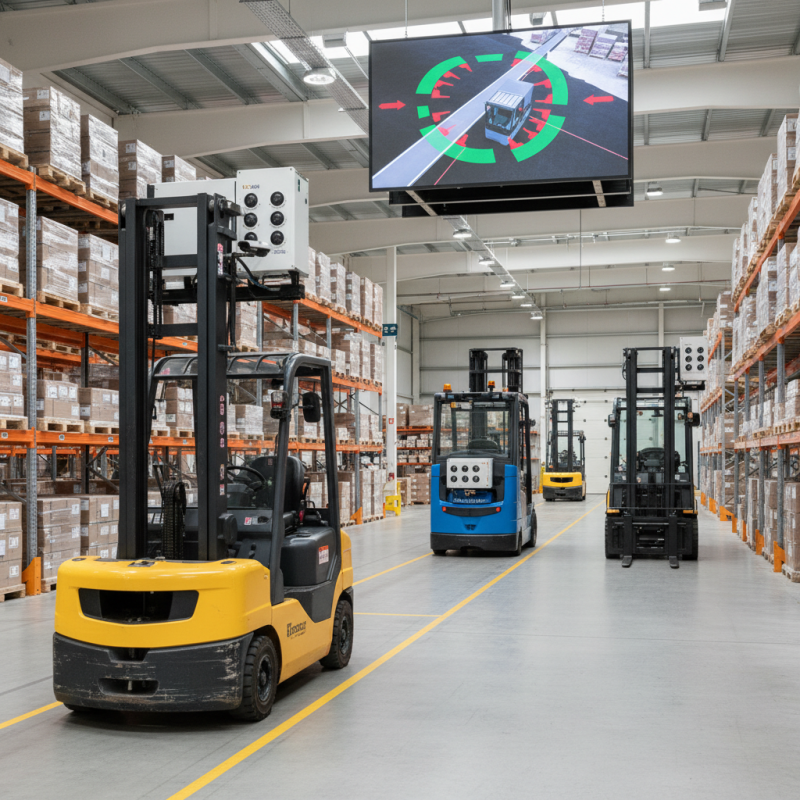
Understanding Forklift Collision Risks in Industrial Environments
Forklift operations in industrial environments come with significant collision risks. Multiple factors contribute to these hazards. The high volume of pedestrian traffic, narrow aisles, and fast-paced workflows create an environment ripe for accidents. Workers need to be aware of their surroundings. Employees must receive training on safe practices. A solid understanding of collision risks will reduce incidents.
Collisions can lead to injuries and equipment damage. In busy warehouses, forklifts often interact with other vehicles and personnel. This interaction demands constant attention. Operators should be trained to anticipate dangers. Even with training, human error can occur. Systems that enhance awareness can help mitigate risks.
Employing effective collision detection systems is vital. These systems can alert operators to nearby obstacles. They can prevent accidents before they occur. However, not all systems are the same. Deciding on the best option requires careful evaluation. Consider the layout and specific needs of your workspace. Always seek expert guidance to ensure reliability. Balance the benefits and limitations of each system. Thoughtful planning results in a safer workplace.
Key Features of Effective Collision Detection Systems
When selecting a forklift collision detection system, focusing on key features is crucial. An effective system should prioritize real-time monitoring. This allows for prompt alerts during potential collisions. Real-time feedback enhances safety for both operators and pedestrians. Look for systems that integrate with existing hardware. Compatibility can streamline implementation and reduce costs.
Another significant feature is the ability to customize alerts. Systems that allow operators to set specific parameters cater to unique site needs. This personalization ensures that warnings are relevant to the environment. Additionally, consider systems that offer historical data analysis. This can identify patterns and improve safety protocols over time.
Sensors should be sensitive yet reliable. They must minimize false alarms while ensuring timely warnings. The technology should adapt to various lighting and weather conditions. This adaptability strengthens the system’s reliability. Lastly, ease of maintenance is often overlooked. Regular checks and updates are necessary to keep the system functioning optimally. An effective collision detection system is not just about technology; it also involves regular assessment and improvement.
Evaluating Industry Standards for Forklift Safety Technologies
When selecting a forklift collision detection system, it's crucial to consider industry standards. Safety technologies should comply with regulations set by recognized organizations. These guidelines ensure that the systems are effective and reliable. Compliance with these standards can significantly reduce accidents in warehouses and loading docks.
Evaluating safety technologies involves looking at their features. Some systems use sensors that detect nearby obstacles. Others provide audible warnings to operators. It's important to analyze how these systems integrate into existing workflows. A well-designed system should not disrupt operations but enhance safety. Additionally, user feedback plays a vital role in understanding a system's effectiveness. Real-world experiences can highlight potential shortcomings.
It's worth noting that not all systems are foolproof. Even the best technologies may experience false positives or misses. Continuous training for operators is essential. They must understand equipment limitations and technology capabilities. Reflecting on past incidents can inform better choices in the future. Regular updates and improvements can help maintain safety standards.
How to Choose the Best Forklift Collision Detection System? - Evaluating Industry Standards for Forklift Safety Technologies
| Feature | Importance Level | Industry Standard | Average Cost |
| Proximity Sensors | High | ISO 3691 | $1,200 - $2,500 |
| Cameras | Medium | ANSI/ASME B56 | $800 - $2,000 |
| LiDAR Technology | High | ISO 13855 | $5,000 - $10,000 |
| Alerts and Alarms | Medium | OSHA Requirements | $500 - $1,500 |
| Automated Stop Features | High | ISO 19014 | $3,000 - $8,000 |
Cost-Benefit Analysis of Implementing Collision Detection Systems
When considering a forklift collision detection system, a cost-benefit analysis is crucial. Implementing such systems requires upfront investment. However, it can lead to substantial long-term savings. Prevention of accidents is a key factor. Each incident can result in costly repairs, medical expenses, and downtime.
Assessing the system's effectiveness involves looking at accident rates before and after installation. Companies often report a drop in incidents. This not only protects employees but also reduces operation costs. However, the initial costs may seem daunting. Some businesses hesitate, fearing it won’t pay off.
Reliability is another area to explore. Not all systems are created equal. Some may require frequent updates or maintenance. Evaluating these aspects helps in making an informed decision. Every facility is different, and what works for one might not work for another. Balancing cost and benefit in a tailored approach is essential for optimal results.
Case Studies: Success Stories of Collision Prevention in Warehouses
In recent years, warehouse safety has become a pressing concern. Forklift collisions remain a leading cause of workplace injuries, making the need for effective collision detection systems critical. A report from the National Institute for Occupational Safety and Health highlights that nearly 70% of lift truck accidents involve pedestrians. This alarming statistic underscores the importance of implementing robust detection systems.
Several warehouses have successfully integrated advanced collision detection technologies. One notable case involved a large distribution center that adopted proximity sensors and cameras. After just six months, the facility reported a 40% decrease in collision-related incidents. This substantial drop not only improved employee safety, but also reduced downtime and associated costs. However, the initial integration faced challenges, particularly in training staff to adapt to new protocols.
Another facility implemented RFID tags for both forklifts and personnel. The system provided real-time location tracking. Reports indicated a significant reduction in near-misses. However, reliance on technology raised questions about how to balance automation with personal responsibility. Not all employees were comfortable with the tech, leading to inconsistent application. This highlights that technology alone cannot eliminate risks; employee training and awareness play crucial roles in collision prevention.
Collision Detection System Effectiveness in Warehouse Operations