2026 How to Choose the Best Warehouse Floor Cleaner for Your Needs?
Choosing the right warehouse floor cleaner is essential for maintaining a safe and efficient workspace. The cleanliness of your flooring impacts overall productivity and safety in the warehouse. A suitable warehouse floor cleaner not only ensures hygiene but also extends the life of your flooring.
Consider the materials your warehouse floor is made from. Different surfaces require different cleaning approaches. Factors such as the type of grime, frequency of use, and safety standards also play a role. While picking a cleaner, it’s important to weigh all these concerns.
Not all products are effective for every situation, and some may even cause damage if misused. Reflect on past cleaning challenges. Did a particular warehouse floor cleaner fail to deliver the results you expected? Taking note of these experiences can guide you toward a better choice. Being critical about the cleaners you select can lead to more informed decisions, ensuring a cleaner and safer working environment.
Understanding the Different Types of Warehouse Floor Cleaners Available
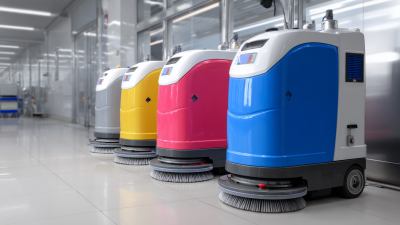
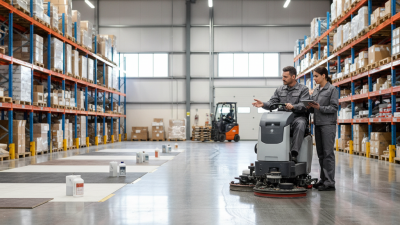
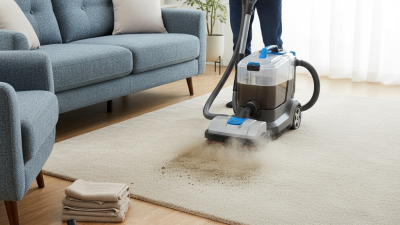
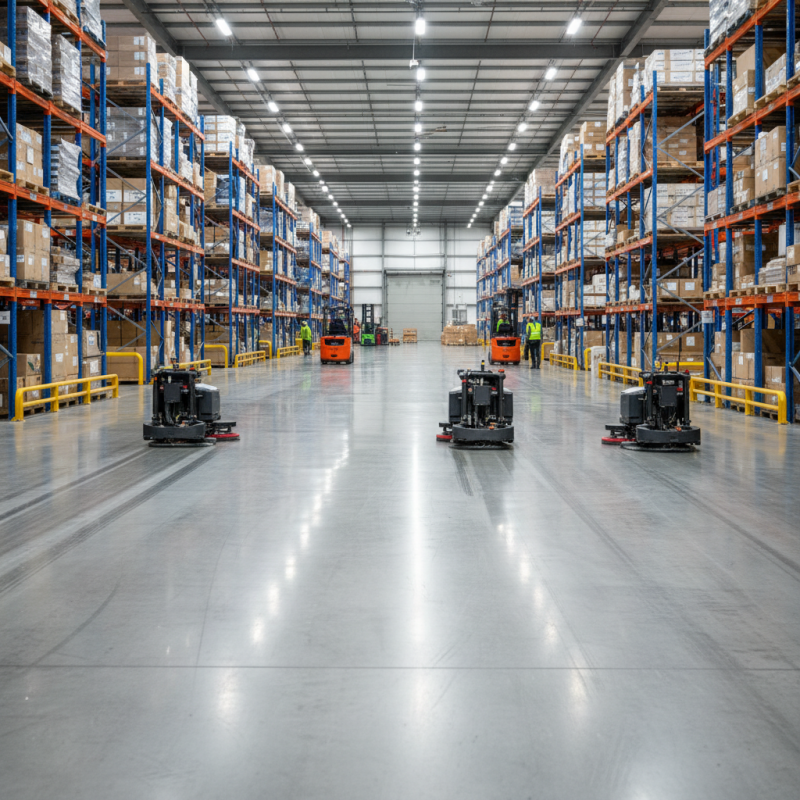
When selecting a warehouse floor cleaner, understanding the options is crucial. Various types of cleaners serve different needs. For example, automatic scrubbers are efficient for large areas. They can reduce cleaning time by up to 30%, making them ideal for high-traffic zones. On the other hand, for smaller spaces, portable carpet extractors often do the job well.
Additionally, considering the type of flooring is important. Concrete floors typically require heavy-duty cleaners, while tile surfaces can benefit from milder solutions. A recent industry report noted that improper cleaner choice could lead to damage, increasing maintenance costs by nearly 15%. Observing cleaning routines can reveal inefficiencies. Some cleaners may not address specific stains effectively.
It's also essential to think about safety and environmental impact. Many warehouses are now opting for eco-friendly cleaners. Reports suggest that these products have gained popularity with over 40% of businesses aiming for sustainability. However, they can sometimes take longer to show results. Balancing efficiency and environmental responsibility can be challenging but necessary.
2026 How to Choose the Best Warehouse Floor Cleaner for Your Needs?
| Type of Cleaner |
Best For |
Advantages |
Considerations |
| Scrubber Dryers |
Large Areas with Heavy Soil |
Efficiency, Deep Cleaning |
Higher Initial Investment |
| Sweepers |
Dust and Loose Debris |
Quick Cleaning, Easy to Use |
Not Ideal for Stained Floors |
| Pressure Washers |
Outdoor Surfaces and Stains |
Powerful Cleaning, Versatile |
Requires Water Source, Cleanup Time |
| Chemical Cleaners |
Specific Stains or Greases |
Effective Targeting of Grime |
Potential Harmful Residues |
| Mops & Buckets |
Small to Medium Areas |
Low Cost, Simple to Use |
Labor-Intensive, Less Efficient |
Assessing Your Warehouse's Specific Cleaning Needs and Requirements
When assessing your warehouse's specific cleaning needs, consider factors like floor type and daily activities. Different surfaces require different cleaning approaches. Concrete, tile, and resin surfaces may have unique challenges. Think about how much traffic your warehouse sees daily. A busy area needs a more robust cleaning solution to prevent grime buildup.
Another important factor is the type of contaminants present. Spills, dust, and debris vary, and each requires a different response. For instance, a spill from heavy machinery needs immediate attention. Dust accumulation in low-traffic zones might only need occasional sweeping. Use this knowledge to refine your choice of cleaning equipment, such as vacuums or floor scrubbers.
Finally, consider the environmental impact and safety of cleaning agents. Many options may not pose immediate harm, but their long-term effects can be concerning. Regularly reflect on whether your choices align with your warehouse’s sustainability goals. A lack of such considerations could lead to future regrets. Aim for a balance between effective cleaning and responsible practices.
Comparing Costs and Budget Considerations for Floor Cleaning Equipment
When choosing a warehouse floor cleaner, budget plays a pivotal role. The initial cost of equipment is just one factor. Ongoing maintenance and operation expenses can add up quickly. Assessing total ownership cost helps in making a wise investment. Sometimes, cheaper machines can lead to higher long-term costs due to repairs or replacement.
Another important consideration is the type of flooring in your warehouse. Different surfaces require different cleaning methods. A machine suited for concrete may not work well on tiles. Make sure you understand your specific needs before making a purchase. It’s easy to overlook these details. Investing in the wrong type can lead to unsatisfactory results.
Additionally, factor in labor costs as you evaluate equipment. Some machines are easier to operate, which can reduce training time. If staff struggle with a complicated machine, it may not be worth the savings. Focus on efficiency and user-friendliness. A seemingly great deal might end up causing frustration.
Evaluating the Environmental Impact of Cleaning Products and Methods
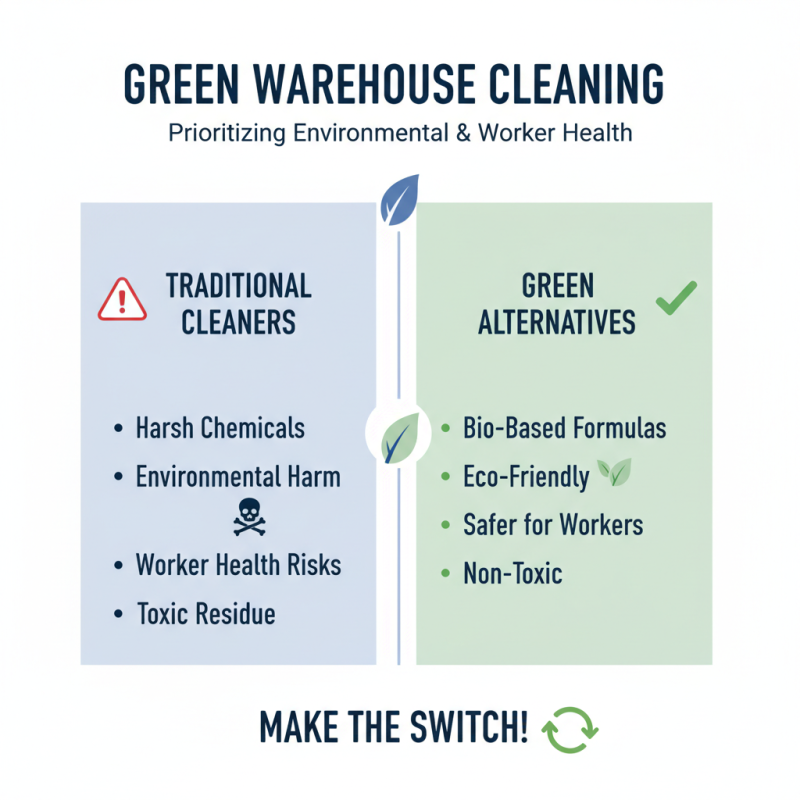
When choosing a warehouse floor cleaner, it's vital to consider environmental impact. Many traditional cleaning products contain harsh chemicals. These can harm not only the environment but also the health of workers. The residue left on floors can release toxins. Opting for greener alternatives, like bio-based cleaners, can mitigate these issues.
Cleaning methods also play a role in sustainability. High-pressure rinsing can waste water. Instead, using mops with eco-friendly solutions may be more effective. Consider equipment that uses less water and energy. It’s essential to evaluate their life cycle impacts. While some products claim to be eco-friendly, their manufacturing process may still harm ecosystems.
Additionally, how we dispose of cleaning supplies matters. Improper disposal can lead to contamination. Many users overlook this crucial step. Recycling and using refills can reduce waste. Striving for sustainability requires ongoing reflection. Regular assessments of cleaning practices can reveal new areas for improvement. It’s an ongoing journey, not a final destination.
Choosing Between Manual and Automated Floor Cleaning Solutions
Choosing the right floor cleaning solution for your warehouse can be challenging. Manual methods often require significant labor, which can lead to fatigue and inefficiency. According to industry reports, around 60% of logistics companies see higher labor costs linked to manual cleaning processes. This might impact overall productivity, especially in larger warehouses.
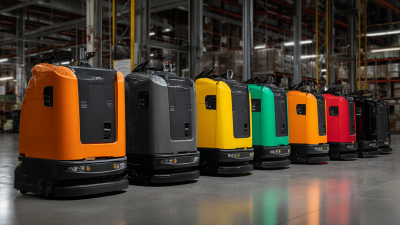
Automated floor cleaning machines offer a solution to this issue. These machines can operate with minimal supervision, reducing the need for additional labor. They typically clean larger areas in less time. A study from the Cleaning Industry Research Institute shows that automated systems can improve cleaning efficiency by up to 30%. This automation also leads to more consistent cleaning outcomes.
However, transitioning to automated solutions is not without challenges. Initial costs can be high, and training staff to use new machines may take time. There are concerns about maintenance and potential downtime as well. Each warehouse has unique needs and should carefully weigh these factors before deciding. Adapting to new cleaning technologies could ultimately lead to better long-term results.