How to Choose the Best Race Bike in 2026?
Choosing the best Race Bike in 2026 is less about buying the lightest frame and more about matching the bike to your roads, riding style, and budget. Greg LeMond, a three-time Tour de France winner, famously said, “It never gets easier, you just go faster.” That line captures racing’s appeal, but it should not become an excuse to chase speed at any cost.
Start with fit. A frame that looks fast in a showroom can feel cramped after an hour on rough pavement. Compare geometry, reach, and stack, then test the bike in a position you can sustain. Check tire clearance, too. Wider tires may add comfort and control, while deep-section wheels can feel lively in crosswinds. Small details matter.
Next, weigh the components against your actual use. Electronic shifting is convenient, but a well-set-up mechanical group can serve many riders just as reliably. Consider braking, gearing for local climbs, wheel durability, and the cost of replacement parts. Ask a qualified bike fitter or experienced shop mechanic to explain trade-offs, not just list specifications. Product designs change, and model-year claims deserve verification against current manufacturer data.
There is no perfect choice. A costly race bike may be wasted on short, casual rides, while an aggressive setup can punish a rider who values long days. I can still be tempted by sleek paint and a low weight figure. That is not always wise. Test before buying, take notes, and choose the Race Bike that feels composed when the road turns rough.
Understanding Race Bike Categories and Intended Riding Use
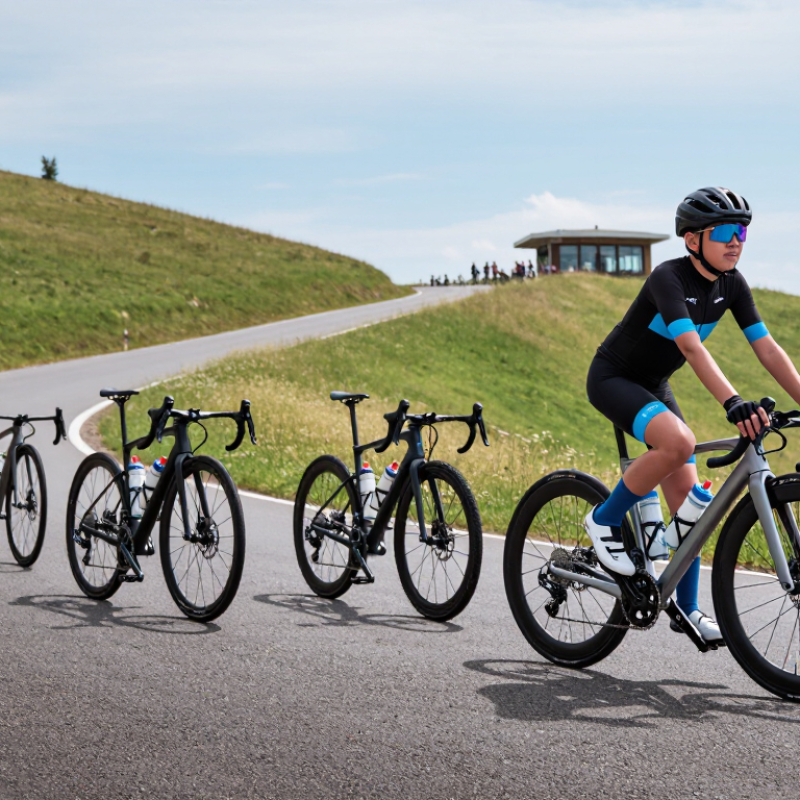
Race bikes are built around different priorities, so start with the rides you actually do. A lightweight climbing bike feels lively on steep roads and responds quickly when you accelerate. An aerodynamic model can hold speed on exposed, rolling routes, though its deeper wheels may feel less settled in strong crosswinds. Small details matter.
Endurance race bikes usually offer a more relaxed position and extra room for wider tires. That can make rough pavement less tiring over several hours. They may feel less sharp in a sprint, but comfort is not a minor feature if it helps you stay steady late in a ride. Some designs blend these categories, so labels alone can mislead.
Think about your local roads, typical ride length, and preferred pace. A short, flat circuit may reward aerodynamic efficiency; long climbs may favor lower weight and easy handling. Check that you can maintain the riding position without numb hands or strained shoulders. A professional bike fit and a test ride on familiar terrain can reveal more than a component list. I would not choose by weight alone; it is an easy number to compare, but it says little about how a bike will feel after two hours.
Determining the Right Frame Size and Riding Position
Choosing the right frame size starts with your body, not a number on a chart. Measure your inseam and compare it with the frame maker’s sizing guidance. Treat that result as a starting point. Torso length, arm reach, and flexibility can change how a frame feels.
Small differences matter. When standing over the bike, leave comfortable clearance without forcing an awkward stance. On a test ride, check whether you can reach the handlebars with relaxed shoulders and slightly bent elbows. If you feel stretched or cramped, the frame or cockpit may need adjustment.
Riding position balances comfort with control. A lower handlebar position can feel aerodynamic, but it should not cause persistent neck, hand, or lower-back discomfort. Saddle height matters too: at the bottom of the pedal stroke, your knee should remain slightly bent. Don’t chase a perfect angle from a photo. Real bodies vary, and measurements are not exact.
Take a few rides before making small changes, adjusting one thing at a time. Note where pressure builds, such as numb hands or a sore neck. A qualified bike fitter can assess your position, especially if discomfort continues. I’d once assumed a longer reach meant a faster setup; that was a poor shortcut. The best fit is one you can hold steadily while riding hard.
How to Choose the Best Race Bike in 2026? Determining the Right Frame Size and Riding Position
Starting-point saddle height: This chart applies the commonly used estimate of inseam length × 0.883. Measure inseam and saddle height in centimeters; saddle height is measured from the center of the bottom bracket to the top of the saddle. This is a general fitting estimate, not a frame-size recommendation. Confirm your position with a qualified bike fitter, since proportions, flexibility, and riding style affect fit.
Comparing Frame Materials, Geometry, and Drivetrain Options
Choosing a race bike means balancing frame material, fit, and the way you actually ride. Carbon can be shaped for low weight and targeted stiffness, but construction and repair options vary. Aluminum often offers a direct feel and lower cost, though rough roads may seem harsher. Steel and titanium can bring durability and a distinctive ride, usually with different weight and price trade-offs. Fit comes first.
Geometry shapes more than appearance. Stack and reach help compare position, while head angle, wheelbase, and trail influence steering feel. A low front end may suit a flexible rider, but it can strain someone who cannot hold that position comfortably. Numbers are useful, not a substitute for a test ride. Even careful comparisons can miss how a bike feels after two hours.
Drivetrain choice should match terrain and maintenance habits. Electronic shifting can make gear changes consistent, while mechanical systems are often simpler to inspect and service. Check the gear range: steep local climbs may call for easier gears than a flat race course. I would not choose by gear count alone; that is an easy spec-sheet trap. Small details matter. A short test ride may still hide discomfort, so treat fit adjustments as part of the decision.
How to Choose the Best Race Bike in 2026? - Comparing Frame Materials, Geometry, and Drivetrain Options
| Decision Factor | Option | Typical Characteristics | Best Suited To | Trade-Offs to Consider |
|---|---|---|---|---|
| Frame material | Carbon fiber | Can be shaped and tuned for a balance of low mass, stiffness, and vibration control. Performance depends on the layup and frame design. | Riders prioritizing low weight, responsive handling, and a broad choice of race-focused designs. | Repair can be specialized, and impact damage may be difficult to assess visually. Usually costs more than basic alloy options. |
| Frame material | Aluminum alloy | Often offers a favorable strength-to-weight ratio and can be made with relatively thin-walled, shaped tubes. | Riders seeking a practical, responsive bike or a lower-cost route into road racing. | Ride comfort depends strongly on frame design, tires, and fit. Damaged frames require careful inspection rather than an assumption that they are safe. |
| Frame material | Steel | Known for durability and straightforward joining and repair methods. Frame weight varies considerably with tubing and construction. | Riders who value durability, a traditional ride feel, or easier access to frame repair. | Many steel race frames weigh more than comparable high-end carbon frames; corrosion protection and care matter. |
| Frame material | Titanium | Corrosion-resistant and durable, with frame characteristics shaped by tubing, geometry, and construction. | Riders looking for a long-lasting frame and willing to prioritize durability and material preference. | Frames are often expensive, and weight varies by design; the material alone does not guarantee a particular ride quality. |
| Geometry | Race-oriented | Typically has a lower front end and a position designed for aerodynamic efficiency and quick handling. Exact stack and reach vary by size and design. | Flexible riders who are comfortable holding a low position for sustained efforts and competition. | May feel demanding on the neck, back, or hands if the fit is too aggressive or the rider lacks the required mobility. |
| Geometry | Endurance-oriented | Often provides a more upright fit and may use geometry intended for predictable handling over long rides and rougher roads. | Riders prioritizing comfort over long distances, or those who prefer a less aggressive position. | May not provide the same low front-end position or quick steering feel as a dedicated race design. |
| Drivetrain | 2x, compact gearing (50/34 chainrings) | Two front chainrings provide closely spaced ratios. With an 11–30 cassette, the lowest ratio is about 1.13:1 and the highest is about 4.55:1. | Road racing and varied terrain where small cadence steps and a useful range are valued. | More front-shifting and drivetrain components than a 1x setup; the actual range depends on the cassette selected. |
| Drivetrain | 2x, mid-compact gearing (52/36 chainrings) | Offers taller top gearing than 50/34 with a moderately low inner ring. With an 11–34 cassette, the lowest ratio is about 1.06:1 and the highest is about 4.73:1. | Fast group riding and rolling or hilly courses for riders who can use the higher gears. | May be less suitable for steep climbs if the rider needs easier gearing; check cassette compatibility and derailleur specifications. |
| Drivetrain | 1x (single front chainring) | Removes the front derailleur and simplifies front shifting. For example, a 40-tooth ring with a 10–36 cassette spans ratios from about 1.11:1 to 4.00:1. | Riders who prefer simpler shifting and a clean setup, especially on courses where the chosen gear range is sufficient. | Gear steps are often wider, and the total range may be narrower than a comparable 2x setup. Chain retention and chainring choice matter. |
| Drivetrain | Electronic or mechanical shifting | Both can shift effectively when correctly set up. Electronic systems use powered shifting; mechanical systems use cables and housing. | Choose electronic for powered shifting and its operating features; choose mechanical for cable-based simplicity and easier access to basic servicing. | Electronic systems need charged batteries and may require system-specific service. Mechanical shifting needs cable and housing maintenance. |
| Fit and setup | Stack, reach, and contact points | Stack and reach describe frame dimensions; saddle position, stem length, handlebar shape, and crank length also affect the final fit. | Every rider: compare the manufacturer’s geometry chart with a comfortable, professionally assessed position. | A material or component choice cannot compensate for an unsuitable frame size or poorly adjusted fit. |
Note: Gear ratios are calculated by dividing chainring teeth by cassette-sprocket teeth. Frame feel, weight, comfort, and handling depend on the complete design and setup, not on material alone. Confirm fit, gearing compatibility, and intended use before choosing a bike.
Assessing Wheels, Brakes, and Other Key Components
Wheels can change how a race bike feels more than a small weight difference suggests. On a test ride, notice how quickly the bike responds when you accelerate out of a corner. Deeper rims may feel steady on open roads, but gusty crosswinds can make them harder to control. Choose a wheel depth you can handle comfortably, not just one that looks fast. Tire clearance matters, too. A slightly wider tire can improve comfort and grip, depending on the frame and road surface. Check the manufacturer’s clearance limits before changing tire size.
Brake choice deserves a close look. Disc brakes usually offer predictable control in wet conditions and on long descents, while rim brakes can be simpler to inspect and maintain. Either way, test the lever feel and make sure braking stays smooth without pulsing or rubbing. No surprises. Inspect pad wear, rotor or rim condition, and the cost of replacement parts. A quiet bike is not always a perfectly adjusted bike; listen, then check.
The drivetrain should shift cleanly under moderate pedaling pressure. Try several gears on a short climb and watch for hesitation or chain noise. These small flaws may come from adjustment, not poor components, but they still deserve attention before purchase. Finally, assess the saddle, handlebar reach, and stem position. A fast setup that strains your hands is not useful for a long race. I have found fit harder to judge in a brief shop ride, so leave room for changes after longer training rides.
Testing Ride Quality, Fit, and Value Before Choosing a 2026 Model
A fast race bike should feel controlled, not merely stiff. Test it on the same short loop, including a rough corner, a climb, and a fast descent. Keep tire pressure and clothing consistent. Small changes can distort your impression. Note hand pressure, front-end stability, and how easily you hold your intended riding position after an hour.
Fit matters as much as frame weight. A 2017 Sports Medicine review reports that aerodynamic drag can account for 70–90% of resistance above 30 km/h. That makes a sustainable position more useful than an extreme one you cannot maintain. Ask a qualified fitter to check reach, saddle height, and bar drop. Then ride long enough to notice discomfort. One quick lap is not enough.
Value is more than the sale price. PeopleForBikes’ 2024 U.S. Bicycle Market Data Report says 112 million Americans rode bicycles in 2023, but that broad figure cannot tell you which race bike suits your body or roads. Compare the total package: service needs, replacement parts, warranty, and included components. I would also record the test conditions; I have sometimes mistaken a smooth road for a better bike. A simple note can prevent that mistake.