How to Choose the Best Air Compressor Blower for Your Needs?
Choosing the right Air Compressor Blower can seem daunting. With various models available, it's crucial to understand your specific needs. This power tool serves multiple purposes, from inflating tires to powering air tools.
Selecting the wrong blower can lead to inefficiency. It may not provide adequate pressure or flow. Alternatively, an overly powerful unit can be unnecessarily loud and consume energy. Thus, knowing the intended use is vital.
Consider factors like tank size, portability, and horsepower. Each aspect can significantly impact your experience. The best choice balances performance and convenience. Remember, the right Air Compressor Blower enhances productivity, but the wrong one could lead to frustration. Reflect on what you truly need before making a decision.
Understanding Air Compressor Blowers: Types and Applications
Air compressor blowers are essential tools in various industries. They come in different types, catering to specific applications. Understanding these types helps users choose the right blower. Positive displacement blowers are popular for their efficiency in moving air. They compress air by trapping it in a chamber and then releasing it. This method is effective for tasks that require a consistent air flow.
Another type is the centrifugal blower. These blowers use a rotating disk to increase air velocity. They are ideal for high-volume applications, like ventilation. Their design can sometimes lead to backflow, which might cause inefficiency. It's important to consider the specific demands of your application when selecting a blower type.
Users should also reflect on potential limitations in each blower type. For instance, while positive displacement blowers are robust, they may not provide sufficient volume for large-scale operations. Comparatively, centrifugal blowers might be overkill for simpler tasks. Assessing the environment and desired output before purchasing can prevent costly mistakes. It's not just about power; efficiency and suitability matter too.
Assessing Power Requirements: Horsepower and CFM Calculations
Choosing the right air compressor blower is crucial. Horsepower (HP) and cubic feet per minute (CFM) are essential factors. Horsepower determines the overall power of the compressor. A higher HP often leads to greater efficiency. However, it’s important to balance this with CFM output for effective airflow.
Industry data highlights that an air compressor's CFM rating directly impacts its performance. For instance, many tools require 4-5 CFM at 90 PSI. If your blower cannot meet this requirement, you may face diminished performance. Ensuring that your compressor meets the CFM needs of your tools can prevent operational issues.
Installation and maintenance also influence performance. Poor maintenance can decrease CFM over time. Without proper care, the HP may not be utilized effectively. Many users overlook routine checks, which can lead to inefficiencies and extra costs. Consider these factors carefully to select the most suitable air compressor blower.
Evaluating Noise Levels and Portability for Your Setup
When selecting an air compressor blower, evaluating noise levels is crucial. Many models operate quietly, but some can be quite loud. Consider your workspace and how noise might impact your productivity. A noisy compressor can disrupt both your focus and those around you. For home use or in shared environments, a quieter model is often preferred.
Portability is another essential factor. A lightweight and compact design enhances mobility, allowing for easy transport between jobs. Look for ergonomic features, like handles or wheels, that enhance usability. However, portability may come with trade-offs, such as reduced power or tank size. Reflect on your specific needs before making a choice.
Choosing the right air compressor blower requires careful thought. Assess the noise levels against your work environment. Also, weigh the importance of portability versus performance. These choices will reflect your priorities and ultimately impact your efficiency. Be mindful of how different features align with your tasks and settings.
Identifying Key Features: Tanks, Pumps, and Accessories
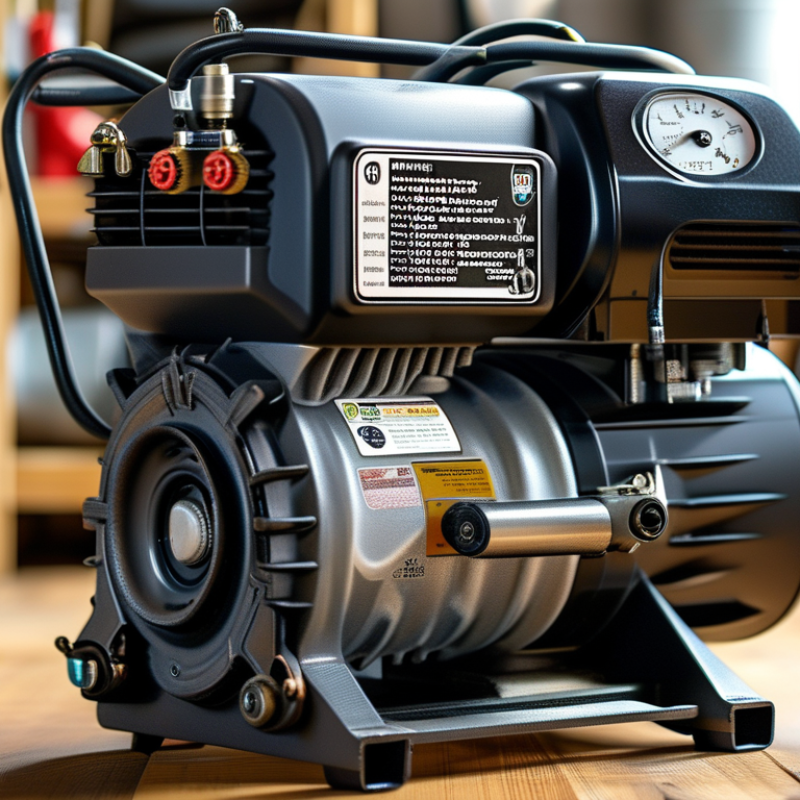
When selecting an air compressor blower, understanding the key features is essential. Tanks, pumps, and accessories play a vital role in ensuring the efficiency and effectiveness of your chosen model. Tanks store compressed air, and their size impacts how long you can operate before needing to refill. A larger tank means longer running times but may be bulkier. Consider your workspace when making this choice.
Pumps power the compressor and determine how quickly air is delivered. There are different types, such as piston or rotary screw pumps. Each has its strengths and weaknesses. For example, piston pumps are typically lighter and more portable, but they may require more maintenance. Reflect on the specific tasks you need to perform with the blower to ensure you select the right type.
Accessories can enhance your experience. Look for filters, hoses, and other tools that improve functionality. However, not all accessories are necessary for every user. It's worthwhile to assess what you genuinely need versus what is available on the market. Think critically about your requirements to avoid overspending on unnecessary features.
How to Choose the Best Air Compressor Blower for Your Needs?
Budget Considerations: Cost vs. Performance in Air Compressors
When choosing an air compressor blower, budget considerations are crucial. You want to balance cost with performance. Inexpensive models may seem appealing, but they often lack power. A low-priced unit might struggle with heavy tasks, leading to frustration. It’s vital to evaluate the intended use and required specifications.
Higher-end compressors offer better durability and efficiency. However, they come at a price. Invest in quality if you plan on regular use. Look for features like noise levels and ease of maintenance. Cheaper models can result in higher costs down the road due to repairs or replacements.
Don’t forget to consider energy consumption. Some compressors are inefficient, driving up utility bills. Assess the long-term value of a quality model versus a budget option. It’s important to weigh your options carefully. Can you really afford the cheapest choice? Reflect on your needs and usage patterns to make an informed decision.