China Top Welded Ball Valve Manufacturers for Global Buyers?
China has become an important sourcing base for industrial valve equipment. Among its exports, the Welded Ball Valve serves pipelines, chemical plants, water systems, and energy facilities. Global buyers often value its compact structure, strong sealing performance, and reduced leakage risk.
This guide introduces leading Chinese welded ball valve manufacturers for international procurement teams. It examines production experience, material control, welding methods, pressure testing, and quality documentation. A reliable manufacturer should explain body materials, seat design, bore options, temperature limits, and end connections clearly. Factory audits also matter. They can reveal machining conditions, calibration records, and actual inspection practices.
Look beyond attractive prices.
Experienced suppliers usually provide test certificates, drawings, inspection reports, and traceable batch information. They may support carbon steel, stainless steel, or alloy applications. However, product suitability depends on media, pressure, temperature, and installation conditions. No supplier is perfect. Even established factories may show uneven communication or inconsistent documentation. That weakness deserves attention before ordering.
The following overview compares manufacturers through practical buyer criteria rather than promotional claims. It considers export experience, engineering support, customization capability, production capacity, and after-sales responsiveness. Independent verification remains wise, especially for critical pipelines. A sample valve, factory video inspection, or third-party test can expose problems early. Buyers should also confirm applicable standards and project requirements with qualified engineers. Careful selection protects both operational safety and long-term maintenance budgets.
What Is a Welded Ball Valve and Where Is It Used?
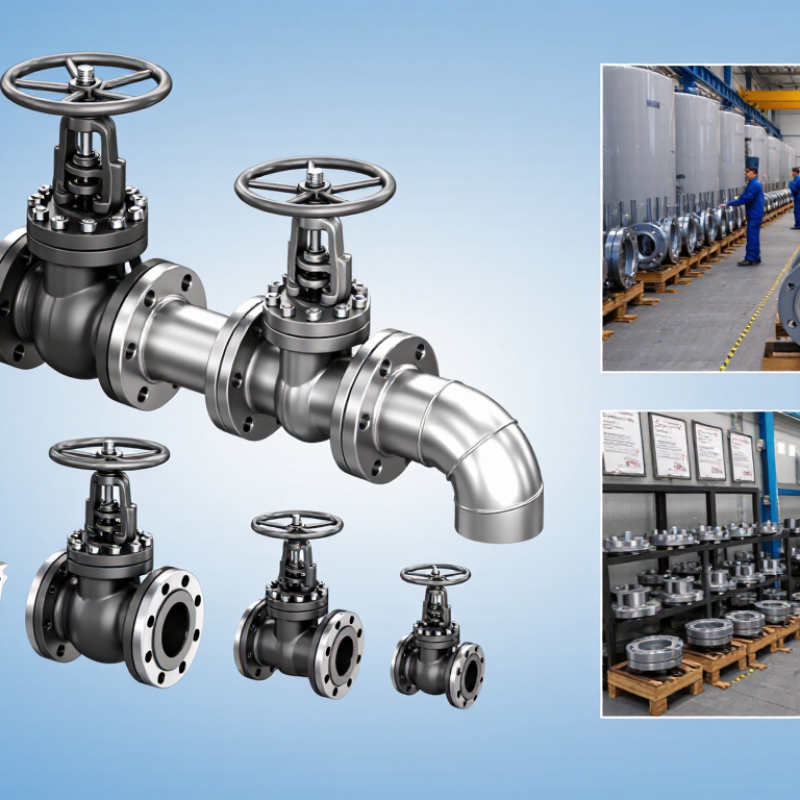
A welded ball valve is a pipeline valve with a spherical closure element and a permanently welded body. Turning the ball 90 degrees opens or blocks flow. Its full-bore design allows fluids to pass with limited pressure loss. Fewer bolted joints also reduce potential leakage points.
These features suit buried pipelines, natural gas transmission, LNG facilities, district heating, and large water systems. GIIGNL’s 2024 Annual Report recorded about 404 million tonnes of global LNG trade in 2023. This expanding flow requires valves that tolerate pressure, temperature changes, and long service intervals. The IEA’s Gas 2024 report also noted strong gas demand growth in 2023, increasing pressure on transmission infrastructure.
The weak point is installation.
A welded body is not automatically safer. Engineers must match the valve’s materials, pressure class, temperature range, and sealing system with the actual medium. Site teams should verify welding procedures, non-destructive examination, pressure testing, and coating protection before burial. ISO 14313 and API 6D provide widely used requirements for pipeline valve design and testing. In practice, poor alignment or incomplete inspection can damage an excellent valve. That detail is easy to overlook. Forged bodies may improve strength, while corrosion-resistant alloys can support harsher service. However, every specification still needs independent technical review.
What Is a Welded Ball Valve and Where Is It Used?
A welded ball valve is a quarter-turn valve permanently connected to the pipeline by welding. Its full-bore design provides low flow resistance and reliable isolation, making it suitable for buried and above-ground transmission systems where long-term leak prevention is important.
The chart shows the nominal pressure ratings associated with ASME B16.34 pressure classes at approximately 38°C for carbon-steel valve materials. Actual allowable pressure depends on material grade, temperature, design, and applicable standards.
How to Evaluate Chinese Welded Ball Valve Manufacturers
Selecting a Chinese welded ball valve manufacturer requires more than comparing prices. Start by checking the factory’s production scope, welding capability, and quality-control process. Ask for current certificates, material records, pressure-test reports, and valve drawings. These documents should match the supplied model, not a generic sample. A reliable manufacturer can explain body materials, seat design, welding procedures, and testing standards in clear technical language.
Visit the factory when the project is critical. Observe raw-material identification, welding stations, machining accuracy, and final inspection. Look for traceability marks on bodies and components. Ask how nonconforming valves are isolated and corrected. Experienced buyers also review similar export projects, but references should be verified carefully. A polished catalog is not enough. I have learned that delivery consistency can matter as much as technical performance.
Tips: Request a sample valve and inspect its dimensions, weld appearance, operating torque, and test records. Confirm the pressure and temperature range for your actual service. Check whether spare parts, drawings, and inspection support are available after delivery. Do not accept vague promises. Written procedures are stronger evidence. Still, one factory visit cannot reveal everything; repeat inspections may expose weaknesses that a first review misses.
Key Manufacturing Standards and Quality Certifications
China Top Welded Ball Valve Manufacturers for Global Buyers?
For global buyers, manufacturing standards reveal more than a polished product brochure. A reliable welded ball valve should have documented material traceability, qualified welding procedures, and controlled dimensional inspections. Look for ISO 9001 certification supported by current audit records, not only a printed certificate. API 6D may be relevant for pipeline applications, while ASME B16.34 supports pressure design and testing requirements. The correct standard depends on service conditions.
Quality control should follow the valve’s actual operating risks. Manufacturers commonly perform shell and seat hydrostatic tests, torque checks, and visual inspections. Gas testing may be necessary for low-pressure leakage evaluation. ISO 15848 can support fugitive-emission control, especially where emissions require strict management. For sour service, NACE MR0175/ISO 15156 may guide material selection and hardness limits. Welding records should identify heat numbers, welders, procedures, and inspection results.
Details matter here. Ask whether non-destructive testing covers critical weld areas, and request test reports linked to the valve serial number. Certificates should come from recognized, verifiable bodies. CE or PED documentation may apply when European pressure-equipment rules govern the installation. Certification alone is not enough. A weakness remains: some suppliers present outdated approvals or incomplete traceability. Buyers should challenge unclear documents, inspect sample records, and confirm that testing matches the purchased design. That extra review can prevent expensive field failures.
Leading Chinese Manufacturers and Their Product Strengths
China Top Welded Ball Valve Manufacturers for Global Buyers?
Leading Chinese manufacturers have developed strong capabilities in welded ball valve production for pipelines, water systems, energy projects, and industrial plants. Their product strengths often begin with material control. Common options include carbon steel, stainless steel, and corrosion-resistant alloys. Experienced factories use automated welding, precision machining, and controlled heat treatment. These processes help protect the valve body from leakage and deformation.
Testing is a major difference between suppliers. Reliable manufacturers usually perform shell testing, seat testing, torque checks, and visual weld inspection. Some also provide radiographic or ultrasonic examination for critical orders. Buyers should request material certificates, pressure-test records, dimensional drawings, and traceability documents. Clear records matter more than impressive catalog language. They show how a valve was actually made.
Customization is another practical advantage. Manufacturers may adjust bore size, connection dimensions, coating systems, actuator interfaces, and operating temperatures. Export teams familiar with international specifications can reduce communication errors. However, no factory is perfect. Minor delays, unclear drawings, or inconsistent packaging can still occur. A careful buyer should approve samples, confirm inspection points, and review packaging photos before shipment. Field experience suggests that small details, such as protected stem areas and dry internal cavities, often affect installation results. Strong suppliers welcome these checks instead of avoiding them.
China Top Welded Ball Valve Manufacturers for Global Buyers
| Manufacturer Profile | Common Manufacturing Region | Typical Valve Design | Nominal Size Range | Pressure Classes | Common Body Materials | Typical Seat Materials | Applicable Standards | Actuation Options | Typical Product Strength | Common Application Areas |
|---|---|---|---|---|---|---|---|---|---|---|
| Profile A | Zhejiang, China | Fully welded, side-entry, reduced-bore and full-bore ball valves | DN50–DN1200 2–48 in | Class 150–1500 PN16–PN250 | Carbon steel, low-temperature carbon steel, stainless steel | PTFE, RPTFE, reinforced PTFE, PEEK | API 6D, ASME B16.34, ASME B16.10, ISO 5211 | Manual gearbox, pneumatic, electric, hydraulic | Broad size coverage and customizable end-to-end dimensions | Oil and gas pipelines, city gas, water transmission, general process systems |
| Profile B | Jiangsu, China | Fully welded trunnion-mounted ball valves with double-block-and-bleed options | DN50–DN1000 2–40 in | Class 150–2500 PN16–PN420 | Forged carbon steel, alloy steel, stainless steel | Soft seat, metal seat, fire-safe seat combinations | API 6D, API 608, ASME B16.34, API 607 | Manual, pneumatic, electric, gas-over-oil hydraulic | High-pressure designs for critical pipeline isolation | Long-distance gas pipelines, LNG facilities, power plants, petrochemical units |
| Profile C | Wenzhou, China | Compact fully welded ball valves for above-ground and buried installation | DN25–DN600 1–24 in | Class 150–600 PN16–PN100 | Carbon steel, stainless steel, duplex stainless steel | PTFE, RPTFE, nylon, PEEK | API 6D, EN 12266, ISO 15848, ISO 5211 | Lever, gearbox, pneumatic, electric | Compact construction and suitability for restricted installation spaces | Gas distribution, district heating, water treatment, industrial utilities |
| Profile D | Sichuan, China | Fully welded valves designed for sour-service and natural-gas systems | DN50–DN900 2–36 in | Class 150–1500 PN16–PN250 | Low-temperature carbon steel, stainless steel, nickel-alloy trim | RPTFE, PEEK, metal seat, elastomer-supported seat | API 6D, NACE MR0175/ISO 15156, API 607 | Pneumatic, electric, hydraulic, emergency-shutdown configurations | Material and trim options for corrosive and sour-gas service | Sour-gas gathering, gas processing, refineries, underground pipeline systems |
| Profile E | Shanghai, China | Fully welded cryogenic and low-temperature ball valve configurations | DN50–DN600 2–24 in | Class 150–600 PN16–PN100 | Low-temperature carbon steel, austenitic stainless steel | PTFE, expanded graphite, PEEK, low-temperature elastomers | API 6D, BS 6364, ASME B16.34, API 607 | Manual gearbox, pneumatic, electric | Extended bonnet and low-temperature material selection | LNG terminals, cryogenic storage, air separation, low-temperature process lines |
| Profile F | Hebei, China | Fully welded pipeline ball valves with buried-service configurations | DN80–DN1400 3–56 in | Class 150–900 PN16–PN160 | Carbon steel, low-temperature carbon steel | PTFE, RPTFE, nylon, metal seat | API 6D, ASME B16.34, ASME B16.25, ISO 5211 | Gearbox, pneumatic, electric, hydraulic | Large-diameter production and pipeline welding compatibility | Transmission pipelines, water infrastructure, municipal gas, district heating |
| Profile G | Fujian, China | Top-entry and fully welded ball valves for maintainability-focused systems | DN50–DN800 2–32 in | Class 150–900 PN16–PN160 | Forged carbon steel, stainless steel, duplex stainless steel | PTFE, PEEK, metal seat | API 6D, API 608, ASME B16.34, ISO 15848 | Manual, pneumatic, electric | Top-entry access and reduced pipeline dismantling requirements | Offshore modules, chemical plants, terminals, process piping |
| Profile H | Shandong, China | Cost-optimized fully welded ball valves for standard industrial service | DN25–DN800 1–32 in | Class 150–600 PN16–PN100 | Carbon steel, stainless steel | PTFE, RPTFE, reinforced nylon | API 6D, ASME B16.34, EN 12266 | Lever, gearbox, pneumatic, electric | Competitive production for standard specifications and OEM projects | Industrial utilities, water systems, general gas service, equipment packages |
How Global Buyers Can Select and Purchase the Right Supplier
China Top Welded Ball Valve Manufacturers for Global Buyers
Global buyers should select a welded ball valve supplier through evidence, not attractive quotations alone. Fortune Business Insights estimated the global industrial valves market at about USD 78 billion in 2023. This growth increases supplier choices, but also increases quality risks. Buyers should define pressure class, pipe size, media, temperature, end connections, and operating cycles before requesting prices. A technically suitable valve begins with a precise service specification.
Ask suppliers for material certificates, pressure-test records, coating details, and traceability documents. Relevant references may include API 6D, ASME B16.34, ISO 5208, and EN 10204 3.1. The exact standard depends on the project and destination country. Independent inspection can verify shell testing, seat leakage, dimensions, welding quality, and marking. A factory audit should examine machining areas, welding procedures, calibration systems, and final assembly controls. Look closely at records, not polished showrooms.
The World Bank’s 2023 Logistics Performance Index evaluated 139 economies and highlighted reliability as a key logistics factor. Buyers should therefore review production lead times, export packaging, port options, spare parts, warranty terms, and communication response. A low price may conceal weak documentation or expensive delays. No supplier scorecard is perfect. I would still recheck critical data through a sample order and witnessed testing. Payment stages should follow measurable milestones, with acceptance criteria written clearly before production begins.