
China Top 10 Plumber Tools Suppliers for Global Buyers

Choosing reliable Plumber Tools suppliers in China requires more than comparing prices. Global buyers need stable quality, clear specifications, responsive communication, and dependable export experience. A wrench may look simple, yet its steel grade, jaw accuracy, handle grip, and surface treatment affect daily performance. One weak tool can damage fittings, slow installation, or increase replacement costs.

This guide introduces China’s top 10 Plumber Tools suppliers for global buyers. The selection focuses on manufacturing capability, product range, quality control, customization support, certifications, and international service. It also considers practical details, such as packaging strength, sample policies, minimum order quantities, and delivery coordination. These factors matter when tools travel thousands of kilometers before reaching a workshop.

Some suppliers may excel in pipe wrenches, while others offer basin wrenches, tube cutters, pliers, drain tools, or complete plumbing kits. Buyers should not assume that a famous factory fits every project. A large catalog does not always mean consistent quality. That point deserves careful reflection.

We have considered supplier experience, technical knowledge, production evidence, and buyer reliability. However, factory conditions and product policies can change over time. Buyers should verify current certifications, inspect samples, and confirm test standards before placing large orders. Factory audits and third-party inspections may also reduce avoidable risks.

Whether you serve contractors, hardware retailers, or professional maintenance teams, this overview offers a practical starting point. The right supplier should provide useful tools, honest communication, and repeatable performance. Price matters, but trust usually costs less than repeated failure.
China Top 10 Plumber Tools Suppliers for Global Buyers

What Defines a Reliable Plumber Tools Supplier in China

China Top 10 Plumber Tools Suppliers for Global Buyers

What Defines a Reliable Plumber Tools Supplier in China

A reliable plumber tools supplier proves quality through repeatable actions, not attractive catalogs. In practical sourcing, buyers should request product samples before placing larger orders. Examine jaw alignment, handle grip, surface finish, and thread accuracy. Small defects become expensive during daily installation work. Ask for material specifications and inspection records for each production batch.

A dependable supplier explains its factory process clearly. It should identify incoming material checks, machining controls, assembly inspections, and final testing. For adjustable wrenches, measured jaw movement matters. For pipe cutters, blade hardness and cutting consistency matter more than appearance. Request photos or videos from real production lines. Factory visits can provide stronger evidence, although they are not always possible. Independent inspections add useful protection.

Communication also reveals supplier reliability. Clear replies, realistic lead times, and accurate export documents reduce avoidable delays. Packaging should protect tools from moisture, scratches, and damaged edges during ocean transport. A supplier should discuss replacement procedures when samples fail inspection. No supplier is perfect. Even experienced buyers may overlook packaging details or unclear tolerances. That is worth admitting. Ask difficult questions early, record every specification, and compare delivered goods against approved samples. A long relationship should grow from evidence, not promises.


How the Top 10 Chinese Suppliers Compare by Product Range

China’s top ten plumber tool suppliers differ sharply in product range, not just factory size. Some focus on core hand tools, including pipe wrenches, basin wrenches, cutters, and adjustable spanners. Others add press tools, drain equipment, inspection cameras, and tool storage. This matters to global buyers managing several job types. Grand View Research estimates the global hand tools market reached about USD 23.5 billion in 2023, with steady growth expected through 2030. Demand is moving toward complete, durable kits rather than isolated tools.

A practical comparison should examine depth within each category. One supplier may offer many wrench sizes but limited drainage tools. Another may provide a wider system, yet have weaker customization control. Product range can also hide quality differences. Check steel grades, jaw hardness, torque testing, packaging, spare parts, and batch inspection records. ISO 9001 certification supports process control, but it does not guarantee field performance. The International Trade Centre’s trade data also shows strong global movement in hand tools, although trade codes combine different product types. That makes direct supplier rankings imperfect. Buyers should test samples before placing large orders.

Tips: Request a category-by-category catalogue, not a general brochure. Compare five common tools across size, weight, coating, warranty, and replacement parts. Ask for recent test reports and clear production photos. A factory with fewer products may still be the better choice for consistent quality.

Key Plumber Tool Categories Offered to Global Buyers

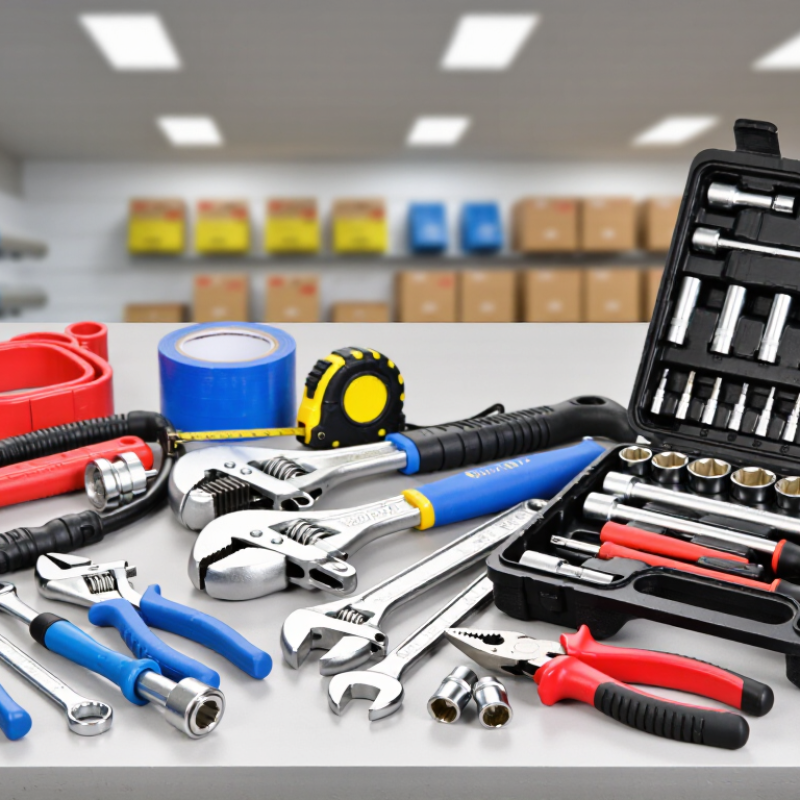
Global buyers usually source plumber tools across several practical categories. These categories support installation, repair, inspection, and routine maintenance. Hand tools remain essential on almost every jobsite. Adjustable wrenches, pipe wrenches, basin wrenches, and tube cutters handle common fitting tasks. Threading tools help prepare metal pipes for secure connections. A clean cutting edge reduces deformation and leakage risks. Small details matter.

For repair and maintenance, suppliers often provide drain-cleaning tools, pipe inspection equipment, and sealing accessories. Drain rods and manual augers suit basic blockages, while inspection cameras help locate hidden damage. Pressing tools and pipe expanders support modern connection systems. These products need accurate sizing and stable operation. In my experience, a tool may look strong but still perform poorly when its grip slips. Fit matters.

Global buyers should examine material quality, dimensional accuracy, surface treatment, and replacement-part availability. Test reports and clear product specifications improve purchasing confidence. Packaging deserves attention because heavy tools can damage lighter items during transport. A damaged measuring scale can create costly installation errors. Suppliers with clear inspection procedures are easier to evaluate. However, catalog descriptions cannot replace sample testing. Ask for samples. Buyers should compare actual cutting performance, handle comfort, and corrosion resistance before placing larger orders. Some specifications remain unclear until field use reveals them. That uncertainty deserves honest review.

Quality, Certifications, and Manufacturing Standards to Assess

When comparing China’s top 10 plumber tools suppliers, quality begins with the product, not the brochure. Check pipe wrench jaw alignment, cutter wheel hardness, handle grip, and plating consistency. Small defects become expensive when tools slip on wet, oily pipes. Look beyond certificates. Ask whether an ISO 9001 certificate covers the actual factory and relevant production scope. Records matter.

A reliable supplier should explain incoming steel inspection, heat treatment, machining accuracy, assembly controls, and final testing. For torque tools, request calibration records with dates, equipment numbers, and acceptable tolerances. For cutting tools, review blade-life tests and sample results from different production batches. Certifications for materials, environmental management, or occupational safety can strengthen confidence, but they do not replace product testing. Their scope and validity must be verified independently.

Factory evidence should be specific. Ask to see nonconforming-product records, corrective actions, and batch traceability from raw material to carton. A clean showroom proves little. During audits, I also check storage humidity, gauge calibration labels, packaging strength, and random samples from finished stock. One weak area can expose the supplier’s real process. Some manufacturers provide excellent samples but inconsistent mass production. That deserves careful reflection. Compare inspection data over several orders, not just one successful shipment. Clear technical drawings, controlled revisions, and responsive engineers often reveal more reliability than polished marketing language.

Pricing, Customization, and Export Services for International Buyers

China Top 10 Plumber Tools Suppliers for Global Buyers

For global buyers comparing China’s top ten plumber tool suppliers, pricing should be checked beyond the unit quote. A low price may exclude packaging, tooling, inspection, or export handling. Request a clear quotation with minimum order quantity, material grade, sample fees, production time, and delivery terms. Prices often change with steel costs and order volume. Confirm every detail in writing.

Customization is common for professional plumbing tools. Suppliers may adjust handle materials, jaw sizes, surface finishes, laser markings, packaging, and instruction sheets. Ask for a physical sample before approving mass production. A sample can reveal loose joints, rough edges, or uncomfortable grips. These small defects matter on a busy job site. Digital drawings help, but they do not replace testing.

Export service also deserves careful review. Reliable suppliers should support commercial invoices, packing lists, carton measurements, and shipment coordination. They should explain available sea, air, or courier options without hiding extra charges. Check factory experience with your destination and request recent inspection records when possible. Lead times vary. Ask for proof.

In my experience, supplier comparisons sometimes focus too heavily on price. I have seen buyers overlook spare parts, replacement policies, and carton strength. That mistake can create delays after arrival. A stronger evaluation checks product consistency, communication speed, sample accuracy, and documented quality controls. No supplier is perfect, and realistic schedules should include room for correction.

Article Source:

Go to Top