What Is a Cable Lug and How Is It Used?
A Cable Lug is a small but essential connector used to terminate electrical cables safely. It creates a firm connection between a conductor and equipment, such as a switchboard, battery terminal, motor, or grounding bar. In a typical installation, the lug is crimped onto a stripped cable end and secured with a bolt. The result should feel solid, not loose or improvised.
Choosing the correct Cable Lug requires more than matching its hole size. Electricians and engineers normally check the cable material, conductor cross-section, stud diameter, current rating, and installation environment. Copper lugs suit copper conductors, while aluminum applications may require compatible materials and special preparation. Outdoor systems also demand suitable protection against moisture, corrosion, and vibration. Small details matter here. A poorly crimped lug can create resistance, heat, and eventual equipment failure.
Installation quality depends on the right tools and careful inspection. A calibrated crimping tool usually produces more reliable results than pliers or a hammer. The conductor should reach the lug barrel fully, with no exposed strands beyond the connection area. After crimping, technicians often inspect the joint, apply approved protection, and perform a pull or continuity check. Even experienced installers can overlook oxidation or incorrect torque. That is worth remembering. This guide explains what a Cable Lug is, how it works, where it is used, and which practical mistakes deserve closer attention. Always verify product instructions and applicable electrical standards before energizing a system.
What Is a Cable Lug and What Does It Do?
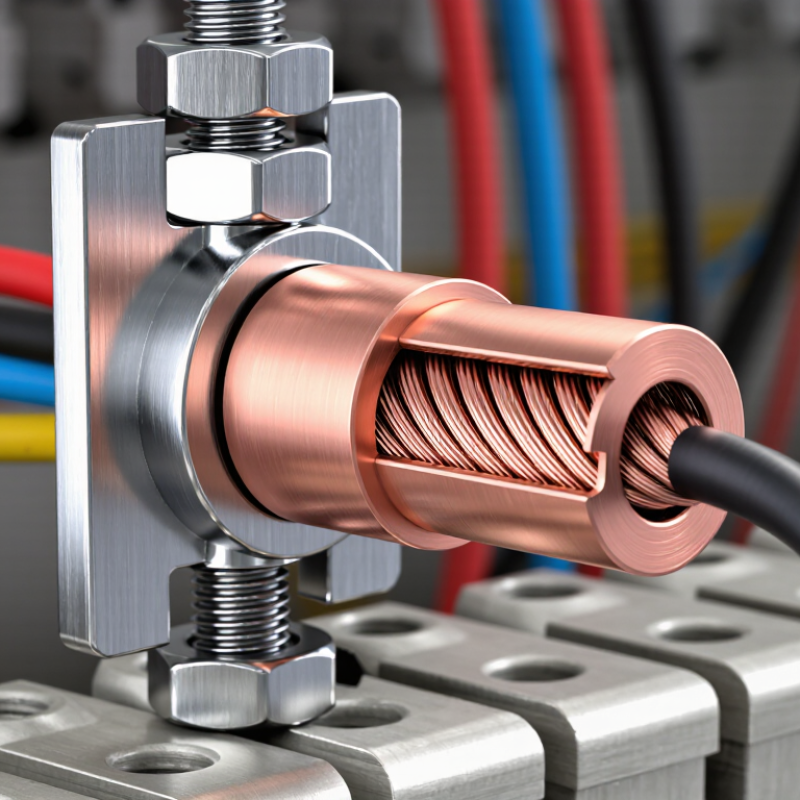
A cable lug is a metal connector fitted to the end of an electrical cable. It creates a stable interface between the conductor and equipment such as a busbar, circuit breaker, or terminal block. The lug does more than hold the cable in place. It transfers current, supports mechanical loading, and helps maintain low contact resistance. Common types include crimp, compression, and mechanical lugs. Selection depends on conductor size, material, voltage, installation environment, and required connection method.
A properly installed lug keeps copper or aluminum strands tightly contained. The installer strips the insulation, inserts the conductor fully, and applies the specified crimping tool or torque. A loose connection can develop heat at the contact point. That heat may increase resistance further. The cycle is easy to miss.
The International Energy Agency’s Electricity 2024 report projects global electricity demand to grow by about 4% annually through 2026. More electrical infrastructure makes dependable terminations increasingly important. IEC 61238-1 also evaluates compression and mechanical connectors for electrical and mechanical performance. Field inspections often find problems caused by incorrect dies, under-torqued bolts, damaged strands, or moisture entering the joint. A lug may look secure but still fail electrically. Temperature checks, visual inspection, and documented torque values provide stronger evidence than appearance alone. Some installations still rely too heavily on habit, which deserves reconsideration.
What Is a Cable Lug and How Is It Used? - What Is a Cable Lug and What Does It Do?
| Data Dimension | Description | Common Options or Examples | Primary Purpose |
|---|---|---|---|
| Component | A cable lug is a metal connector fitted to the end of an electrical cable or wire. | Ring, fork, pin, butt, and flag configurations | Creates a secure electrical and mechanical connection between a cable and a terminal. |
| Main Conductive Materials | The conductive body is usually manufactured from a metal with good electrical conductivity and suitable mechanical strength. | Copper, tinned copper, aluminum, or copper-aluminum bi-metal | Transfers current while supporting the cable termination. |
| Cable Compatibility | A lug must match the conductor material, cable construction, and conductor cross-sectional area. | Solid, stranded, and finely stranded conductors; metric or AWG sizes | Ensures the conductor fits correctly inside the barrel and can be crimped or secured properly. |
| Terminal Connection Shape | The palm or terminal end determines how the lug attaches to a stud, bolt, screw, or terminal block. | Ring for bolted connections; fork for removable screw connections; pin for compact terminal blocks | Provides the required connection method for the electrical equipment. |
| Attachment Method | The cable is attached to the lug by applying controlled pressure or, for some designs, by using a set screw. | Hexagonal crimping, indent crimping, mechanical screw, or soldered connection | Secures the conductor and reduces the risk of loosening or increased contact resistance. |
| Insulation Protection | Some lugs include an insulating sleeve, while others are uninsulated and require separate insulation or enclosure protection. | PVC or nylon insulated sleeves; heat-shrinkable insulation; bare metal bodies | Helps prevent accidental contact, short circuits, and contamination at the termination. |
| Typical Applications | Cable lugs are used wherever conductors must be connected to electrical equipment or busbars. | Distribution panels, switchgear, control cabinets, batteries, motors, transformers, and grounding systems | Provides a reliable termination in power, control, automotive, industrial, and building wiring systems. |
| Selection Criteria | Selection depends on electrical, mechanical, environmental, and installation requirements. | Cable size, conductor material, stud diameter, current capacity, temperature, corrosion exposure, and available space | Ensures safe operation and compatibility with the cable and terminal equipment. |
| Basic Installation Sequence | The cable is prepared, inserted into the lug barrel, attached using the specified method, and inspected before connection. | Strip insulation, insert conductor, crimp or tighten, inspect, and secure to the terminal | Produces a low-resistance connection with adequate pull-out strength. |
| Important Safety Check | The completed termination should be checked for correct size, proper crimping, tight hardware, exposed strands, and signs of damage. | Visual inspection, pull test where required, torque verification, and continuity testing | Helps prevent overheating, arcing, loose connections, and electrical failure. |

How Cable Lugs Connect Wires to Electrical Equipment
A cable lug is a metal connector that joins a stripped wire to electrical equipment. It creates a firm termination at breakers, busbars, motors, and grounding points. The lug’s barrel holds the conductor, while its palm and hole attach to a terminal stud. At a switchboard, a correctly fitted lug keeps copper strands enclosed and aligned under the terminal washer.
The IEA’s Electricity 2024 report forecasts global electricity demand will grow by 3.4% annually from 2024 through 2026. More energized equipment means more terminations requiring dependable workmanship. Installers usually select a lug matching the conductor material, cross-sectional area, and terminal size. They then strip the insulation without nicking strands, insert the wire fully, and apply the specified crimp pattern. Mechanical lugs require even tightening and a verified torque value. Small errors matter.
A loose connection can create heat, discoloration, and eventual insulation damage. Thermal imaging may reveal an abnormal hot spot during inspection. IEC 61238-1-1 testing evaluates electrical and mechanical performance for certain compression connectors, but field installation still determines much of the result. The connection should be clean, correctly positioned, and protected from moisture where necessary. This step is easy to rush. That is where judgment can fail. A final pull test, visual check, and torque-mark inspection provide useful evidence, although none replaces proper design calculations.
What Types of Cable Lugs Are Available?
Cable lugs come in several shapes, and each shape suits a different connection point. Ring lugs have a closed hole, so they stay attached when a terminal screw loosens slightly. Fork lugs have an open slot, allowing faster installation without fully removing the screw. Pin lugs fit neatly into narrow terminal blocks and reduce stray wire strands. Blade lugs serve flat-tab connections, often inside compact control equipment.
Construction also matters. Compression lugs are crimped onto the conductor with a specified tool and die. A correctly made crimp creates a firm electrical and mechanical connection. Mechanical lugs use tightening hardware instead of permanent crimping, which can help during maintenance. Solderless designs are widely used because they avoid heat near insulation. Copper lugs suit copper conductors, while aluminum lugs require compatible materials and careful preparation. Bimetallic lugs connect aluminum conductors to copper terminals more safely.
Insulated lugs add a colored sleeve and help prevent accidental contact. Uninsulated lugs are useful where space is limited, but they need extra protection. Select the lug by conductor size, material, hole diameter, temperature rating, and installation environment. Do not judge by appearance alone. A lug that fits physically may still create overheating or corrosion problems. Field installations are rarely perfect; cable flexing, moisture, and incomplete crimping can change the result. Checking the crimp, pull resistance, and terminal torque is a small step, but it often prevents a serious failure.
How to Choose the Right Cable Lug
A cable lug is a metal fitting that connects a cable to equipment, a busbar, or another conductor. It usually has a barrel for the cable and a hole for a stud or bolt. The connection may use crimping, compression, or soldering. In practical installations, the lug must carry current without creating excessive heat. A loose connection can discolor insulation, damage terminals, and cause failure.
Choosing the correct cable lug starts with the conductor size and material. Check the cable’s cross-sectional area, not only its outside diameter. Copper and aluminum conductors require compatible lug materials and preparation methods. Select a lug with the correct stud-hole diameter and barrel length. The hole should fit the fastener without forcing or excessive movement. Check the rated current, operating temperature, and available space. A compact lug may fit better, but its shorter barrel may reduce crimp reliability.
The installation method matters just as much. Match the lug to the approved crimping tool and die. Strip the insulation carefully, leaving no damaged strands. Insert the conductor fully, then inspect the crimp for even compression. I have seen rushed work leave part of the conductor outside the barrel. It looked acceptable at first. It was not. Follow the applicable technical standard and manufacturer instructions, and verify bolt torque with a calibrated tool. In corrosive or vibrating environments, sealing, plating, and strain relief deserve extra attention.
What Is a Cable Lug and How Is It Used?
A cable lug is a crimped or soldered termination that connects a cable conductor to equipment, a busbar, or a terminal stud. Select a lug that matches the conductor material, cross-sectional area, connection type, and stud diameter.
Selection guide: The chart shows the approximate DC voltage drop for a 10 A load over a 100 m one-way copper cable at 20°C. The calculation uses a 200 m circuit loop and copper resistivity of approximately 0.0175 Ω·mm²/m. A correctly sized cable lug must fit the selected conductor securely; the lug itself does not compensate for an undersized cable.
How to Install a Cable Lug Safely
A cable lug is a metal connector that joins a cable to a terminal, busbar, or equipment stud. It creates a firm electrical path and reduces strain on the cable strands. Safe installation depends on preparation, not force. I have found that most mistakes begin with choosing the wrong lug size.
Before installation, isolate the power source and confirm zero voltage with a suitable tester. Wear eye protection and insulated gloves when the work environment requires them. Check the lug for cracks, corrosion, or a loose barrel.
Strip only the required insulation length. The conductor should enter fully, without exposed strands outside the barrel. Use the correct crimping tool and die. A hammer is not an acceptable substitute.
After crimping, inspect the connection for even compression and gently test its grip. Tighten the terminal fastener to the specified torque. Guessing here can cause overheating or damage. Cover exposed metal with suitable insulation or heat-shrink material, while keeping the contact surface clean.
Tips: Match the lug to the conductor material, size, and terminal shape. Mark completed connections during inspection. A torque wrench improves consistency. Do not reuse a deformed lug. I sometimes recheck connections after the first equipment cycle, because a visually perfect joint can still settle slightly. That extra check is easy to overlook.