Best Warehouse Floor Cleaner for Optimal Safety and Efficiency?
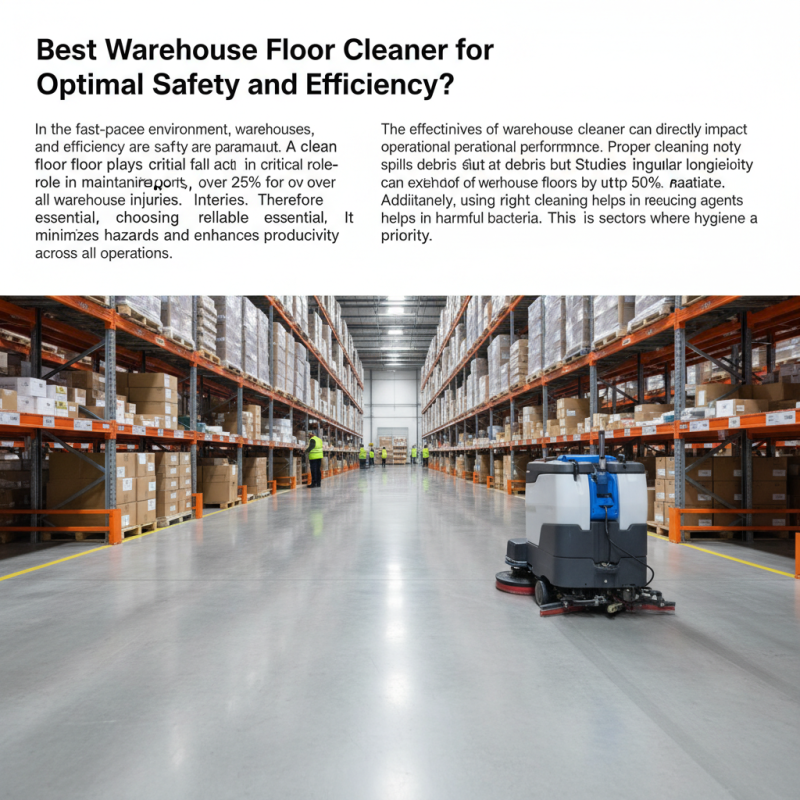
In the fast-paced environment of warehouses, safety and efficiency are paramount. A clean floor plays a critical role in maintaining both. According to industry reports, slips and falls account for over 25% of all warehouse injuries. Therefore, choosing a reliable warehouse floor cleaner is essential. It minimizes hazards and enhances productivity across all operations.
The effectiveness of a warehouse floor cleaner can directly impact operational performance. Proper cleaning not only eliminates spills and debris but also improves the longevity of flooring materials. Studies indicate that regular maintenance can extend the life of warehouse floors by up to 50%. Additionally, using the right cleaning agents helps in reducing harmful bacteria. This is crucial, especially in sectors where hygiene is a priority.
While many cleaners promise optimal results, not all deliver. Some products may leave residues that can be slippery when wet. Furthermore, a cleaner’s effectiveness can be influenced by the type of floor surface. Therefore, it's essential to evaluate options based on specific needs. Investing in quality warehouse floor cleaners is a step towards a safer and more efficient working environment.
Types of Warehouse Floors and Their Cleaning Needs
Warehouse floors come in various materials, each with distinct cleaning needs. Concrete is common and durable, yet it can be porous. Dirt and spills can seep in, causing stains and potential hazards. Regular sweeping and deep cleaning with appropriate chemicals are necessary for maintenance.
Epoxy-coated floors are popular for their resistance to spills. However, they can show wear over time. A gentle scrub helps maintain their shine without damaging the surface. For tiles, grout lines can trap grime. Keeping up with deep cleaning is key to ensure safety and aesthetics.
Wooden floors may be less common but are often found in specialized areas. They require careful cleaning methods to avoid water damage. It’s vital to regularly inspect for wear and react promptly to any damage. Identifying the specific needs of each floor type helps optimize safety and efficiency in warehouses. Understanding these details can enhance operational effectiveness, ensuring a safer workplace.
Best Warehouse Floor Cleaner for Optimal Safety and Efficiency
| Type of Warehouse Floor |
Cleaning Method |
Recommended Cleaner Type |
Frequency of Cleaning |
| Concrete |
Scrubbing with Automatic Scrubber |
pH-Neutral Cleaner |
Daily |
| Epoxy Coated |
Damp Mopping |
Mild Detergent |
Weekly |
| Vinyl Composite Tile (VCT) |
Wet Scrubbing |
Neutral Floor Cleaner |
Bi-weekly |
| Rubber Flooring |
Mopping and Spot Cleaning |
Rubber Floor Cleaner |
Monthly |
| Wooden Floor |
Dry Mopping and Damp Mopping |
Wood Floor Cleaner |
As needed |
Key Features to Look for in Warehouse Floor Cleaners
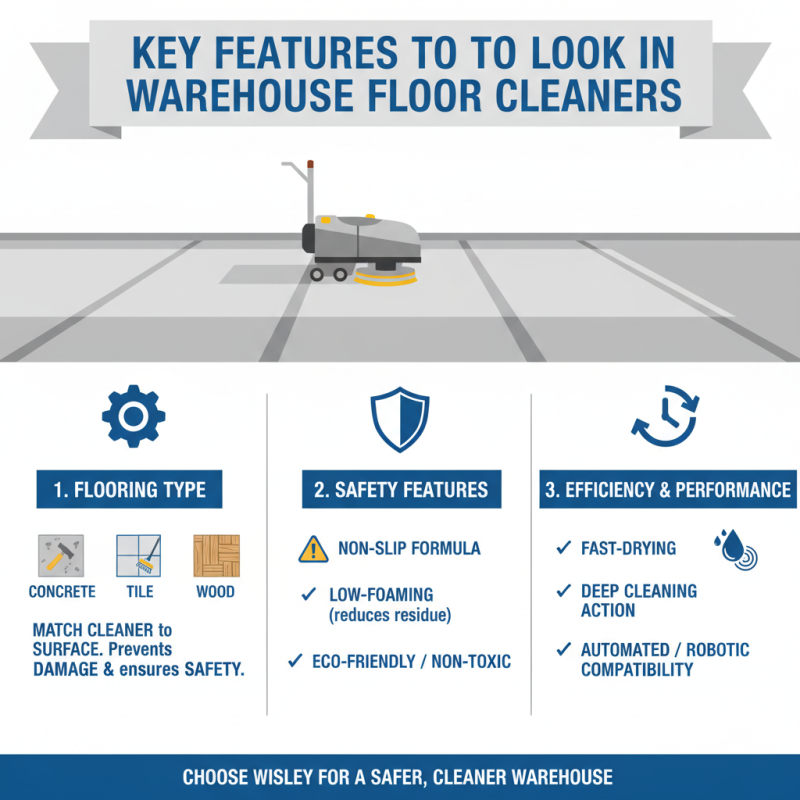
When choosing the best warehouse floor cleaner, several key features enhance safety and efficiency. Consider the type of flooring in your facility. Different cleaners are designed for various surfaces, such as concrete, tile, or wood. Selecting the wrong product can lead to damage or inadequate cleaning, impacting overall safety.
Look for cleaners that are eco-friendly. According to a 2022 report by the Environmental Protection Agency, using green cleaning products reduces hazardous waste and improves air quality in warehouses by nearly 30%. Ensure the cleaner is compliant with regulatory standards. This adherence not only protects employees but also minimizes legal risks for the business.
Tips: Always test a small area before widespread application. This practice helps assess compatibility with your flooring. Regularly inspect floors for wear and buildup, as these can lead to slips and falls. Implementing a proactive maintenance schedule can significantly enhance both safety and cleanliness in your warehouse.
Top Brands and Products for Optimal Warehouse Cleaning
When it comes to maintaining cleanliness in a warehouse, selecting the right floor cleaner is essential. A clean floor ensures safety and improves operational efficiency. Many products are designed specifically for industrial environments, addressing unique challenges like spills, grease, and heavy foot traffic. Understanding the specific needs of your facility can guide you to the most suitable cleaning solutions.
Top brands often offer a range of formulations. Some emphasize eco-friendliness, while others focus on industrial strength. Look for options that can tackle stubborn stains and prevent slips. Effective warehouse cleaners can enhance the appearance of your space and contribute to a safer working environment. Regular use can minimize accidents and encourage a culture of safety among employees.
Choosing a cleaner can be daunting. It’s important to consider the surface materials and the types of contaminants present. Some cleaners may not be compatible with all flooring types, leading to damage. Ultimately, testing a few products before selecting the right one can help you figure out what works best for your operations. Investing time in this process may save you from future setbacks.
Safety Considerations When Choosing Floor Cleaners
When selecting warehouse floor cleaners, safety should always be the top priority. According to recent industry reports, slips and falls account for 25% of reported workplace injuries. Choosing the right cleaner can significantly reduce these risks. Non-toxic, eco-friendly products are increasingly favored, benefiting both employee health and the environment.
Moreover, the application method impacts safety. For instance, some cleaners require dilution, which can create instability. Inadequate dilution may leave residue on floors, increasing slipperiness. It's vital to train staff on correct cleaning practices to mitigate these hazards. Regular safety audits can help identify potential risks linked to cleaning protocols, ensuring a safer work area.
There’s also a growing emphasis on antimicrobial cleaners, particularly in warehouses with a high foot traffic volume. Reports show that using these products can cut down on bacteria by over 90%. However, constant reevaluation of cleaning schedules is necessary. A cleaner may be effective today but can become a safety risk over time without proper oversight.
Efficient Cleaning Techniques for Warehouse Operations
Maintaining a clean warehouse floor is essential for both safety and efficiency. Efficient cleaning techniques can make a significant difference. Start by using the right tools for the job. Mops and brooms should be made of durable materials. This choice impacts how effectively debris is removed. Regular sweeping reduces slip hazards. A clutter-free floor improves visibility too.
Foggers and power scrubbers can speed up the process. These machines cover large areas quickly. However, they can be difficult to maneuver in tight spaces. Staff must be trained to use them correctly. This training ensures the equipment is used safely. Consider the types of materials on the floor. Some stains require specific cleaning solutions. Using the wrong product can lead to unwanted damage.
Evaluate the cleaning schedule regularly. A rigid plan may not account for changing conditions. Busy seasons can create more dirt and spills. This requires an adaptive approach. Continually assess and refine cleaning methods. Feedback from staff offers valuable insights. Addressing these observations can enhance safety and efficiency in warehouse operations.