Best Copper Cable Recycling Methods for Maximum Profit?
In recent years, the importance of Copper Cable Recycling has surged, driven by both environmental concerns and economic incentives. Industry expert Dr. Jane Matthews, a leading figure in sustainable recycling practices, emphasizes, "Efficient copper cable recycling not only conserves resources but also maximizes profits." This sentiment highlights the dual benefits of engaging in responsible recycling methods.
Copper has exceptional conductivity and is vital in various industries, making it a valuable resource. Yet, improper disposal often leads to environmental harm. The process of recycling copper cables can be intricate, involving separation, shredding, and purification. Each step requires expertise to minimize waste and enhance recovery rates.
However, there is room for improvement in many practices. Not all recyclers employ optimal techniques. Some businesses may prioritize speed over efficiency, leading to subpar results. The goal should not just be profit but also sustainable practices that respect our planet. By examining successful methods and refining current processes, companies can strike a balance between profitability and ecological responsibility.
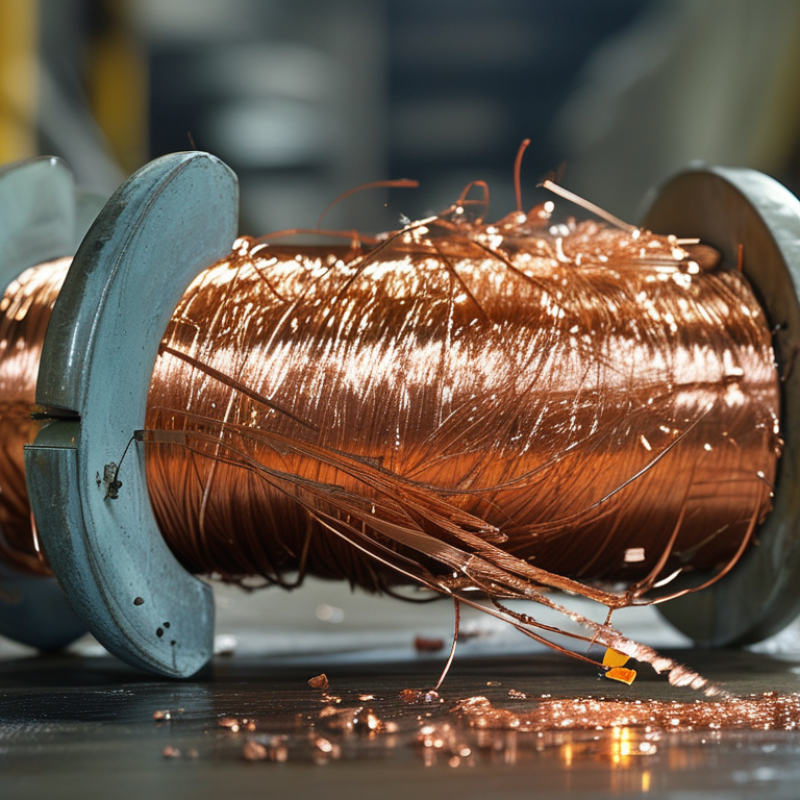
Understanding the Importance of Copper Cable Recycling for Profit Maximization
Copper cable recycling plays a critical role in maximizing profits for businesses and the environment. The global demand for copper is rising steadily, projected to reach 30 million metric tons by 2030, according to the International Copper Study Group. This demand pushes the price of copper, making recycling a lucrative venture. Nevertheless, many businesses overlook efficient recycling methods that could boost their profitability.
Understanding the nuances of copper extraction from cables can lead to significant gains. Reports indicate that the profit margin for recycled copper can be up to 90% of the market price, whereas new copper mining yields only 20% after costs. Efficient recycling methods, such as granulation and hydrometallurgical processes, can enhance yield and reduce processing time. However, companies often face challenges in recovering maximum copper content. Improper sorting or inadequate processing can result in material loss, which diminishes profits.
Additionally, safety and compliance issues can arise in the recycling process. Many recyclers may cut corners, impacting both their profit margins and community safety. Continuous investment in training and upgrading technologies is essential. By aligning operational practices with the best methods, businesses can ensure that they not only meet standards but also achieve optimal results in their copper recycling efforts. Being aware of these factors is crucial for any operation looking to maximize its profitability in the copper market.
Identifying Types of Copper Cables Suitable for Recycling
When considering copper cable recycling, it's essential to identify the various types that can be processed effectively. Electrical wires are often made from high-quality copper, which is quite valuable. Look for single-stranded and multi-stranded wires. Single-stranded wires usually contain a higher copper percentage, making them more profitable for recycling.
Household appliances can contribute to copper recycling as well. Cables from microwaves, refrigerators, and air conditioning units often have copper wiring within their structures. Disconnecting and separating these wires can bring added profit. However, you must be cautious. Removing copper from appliances can be tricky and requires some expertise.
Another source of recyclable copper is construction materials. If you’re renovating or demolishing, inspect any leftover electrical cabling. While sometimes overlooked, these sources can yield significant amounts of copper. However, beware of the effort involved in separating these materials. Proper training and knowledge are critical. It’s important to educate yourself about these factors before diving into copper cable recycling, as each type has its own intricacies.
Step-by-Step Guide to Efficiently Strip Copper Wires
When it comes to recycling copper cables, efficiency is key. Stripping copper wires can significantly boost profitability. Statistics show that recycling copper can yield up to $4,000 per ton. This value fluctuates based on market conditions, but it's indicative of the potential profit. Proper stripping methods can enhance the purity of the copper, which can also lead to better payment rates.
To effectively strip copper wires, start by gathering tools. Manual and automatic wire strippers are essential for quality results. A reliable wire stripper can process wires quickly, minimizing labor time. Minimize waste by sorting different wire types before stripping. This practice not only saves time but also ensures better quality.
**Tip:** Always wear protective gear while stripping wires. The insulation can release harmful substances.
After stripping, check the copper quality. Clean copper will attract better prices. Impurities can reduce profit margins. Finally, always stay updated on market prices. Understanding the demand and supply can inform when to sell your recycled copper.
**Tip:** Join local recycling forums to share tips and market insights. Networking can provide valuable information on maximizing profits.
Best Copper Cable Recycling Methods for Maximum Profit
| Method | Materials Needed | Profit Potential ($/kg) | Efficiency Rating (1-5) | Time Required (Hours) |
| Manual Stripping | Utility knife, gloves | 3.00 | 3 | 5 |
| Electric Wire Stripper | Electric stripper, gloves | 4.50 | 4 | 2 |
| Wire Chopping | Metal saw, gloves | 2.50 | 2 | 4 |
| Chemical Stripping | Chemical solution, gloves | 5.00 | 5 | 3 |
| Burning | Fire source, gloves | 1.00 | 1 | 1 |
Best Practices for Collecting and Storing Recyclable Copper Cables
When it comes to collecting and storing recyclable copper cables, proper practices can significantly enhance profit margins. Begin by organizing the cables early. Use designated bins for different cable types. This step helps in keeping the workspace tidy and promotes efficiency. Labeling containers is essential. Clear labels will save time when sorting later.
Storage conditions matter. Store cables in a dry area. Moisture can lead to corrosion, affecting copper quality. Regularly check for damage. Even small cuts can reduce value. Consider investing in pallets or shelves to keep cables off the floor. This reduces exposure to potential hazards like water.
Keep records of collected materials. Tracking quantities can help assess market trends. It’s vital for decision-making. Accumulating data over time reveals insights into which cables yield better profits. Reflect on your collection process regularly. What works today may not be effective tomorrow. Adapting to changes is crucial in this industry.
Exploring Market Trends and Pricing for Recycled Copper Products
The demand for recycled copper products continues to rise. Market trends indicate a significant increase in prices for high-quality copper scrap. This trend is driven by the growing need for sustainable materials in various industries. Recyclers are noticing better profit margins, especially when they ensure high purity levels in their copper. This suggests that investing in efficient recycling methods pays off.
However, not all recycling methods yield uniform results. Some processes can leave contaminants, reducing the value of the final product. This poses a challenge for recyclers aiming for maximum profitability. Understanding the market landscape is crucial for effectively navigating these complexities. Many recyclers must continually adapt to changing prices and customer requirements.
The experience of handling copper recycling is as important as the methods used. Engaging with market fluctuations brings valuable insights. Maintaining high ethical standards while maximizing profit is a fine balance. Recyclers must reflect on their practices and be open to change, ensuring they remain competitive and profitable in this evolving market.