2026 Best Electric Mountain Bikes for Adults?
An Electric Mountain Bike can make long climbs feel less punishing, while still demanding balance, braking skill, and trail judgment. That distinction matters when comparing 2026 models. Motor power is only one part of the ride. Battery range, suspension setup, tire grip, and local service access can turn an impressive specification sheet into a frustrating day. Small details matter.
PeopleForBikes reported 269% growth in U.S. e-bike sales between 2019 and 2022. That figure covers the wider e-bike category, not mountain bikes alone. Separately, the Outdoor Industry Association’s 2024 Outdoor Participation Trends Report counted 175.8 million U.S. outdoor participants in 2023. These figures describe a growing recreational backdrop, not proof that every rider needs electric assistance. They offer useful context, but they are not a 2026 forecast.
This guide compares adult trail and all-mountain models by motor delivery, battery capacity, suspension travel, geometry, weight, braking, and dealer support. It also considers practical details: whether the display is readable in bright sun, the battery is easy to remove, and the bike feels composed on a tight switchback. Real-world range varies. Rider weight, temperature, elevation, tire pressure, and assist mode all matter. Manufacturer claims are estimates, not guarantees. A powerful bike may climb brilliantly yet feel cumbersome on narrow trails. The best choice depends on terrain, fit, budget, and maintenance access—not one headline number.
What Defines an Electric Mountain Bike for Adults?
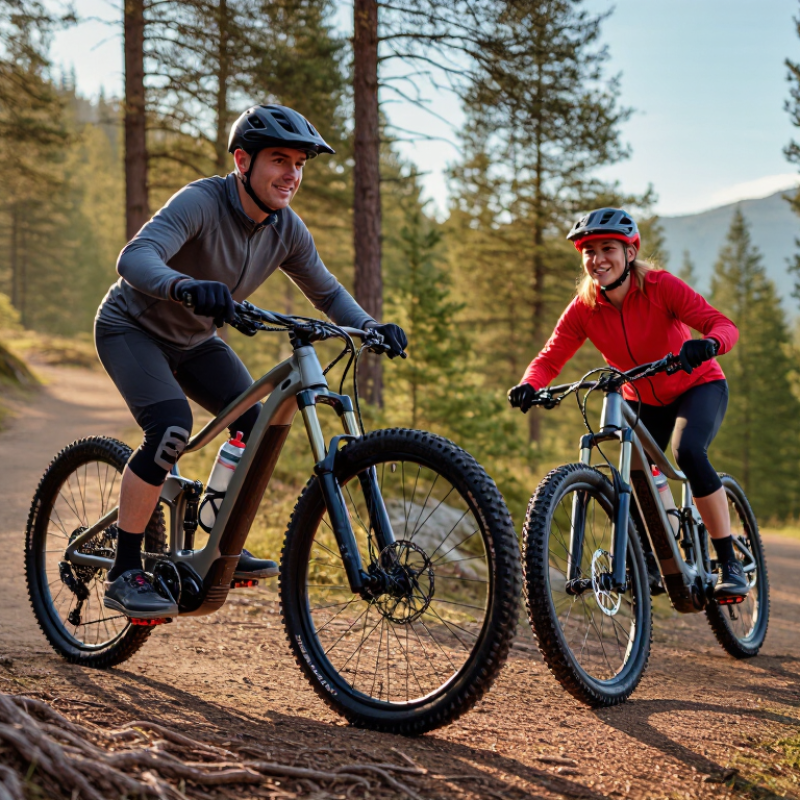
An adult electric mountain bike is designed around adult-sized fit, off-road control, and assisted climbing—not simply a motor attached to a trail bike. Look for reachable handlebars, suitable standover clearance, wide knobby tires, and suspension that keeps the wheels planted on loose ground. Strong disc brakes matter on steep descents. So does balanced battery placement; a heavy rear end can feel awkward through tight turns. “Adult” is not a useful fit measurement by itself. Check reach and frame size against your body.
The PeopleForBikes U.S. E-Bike Sales Report found sales rose 269% between 2019 and 2022, showing how quickly the category expanded. Growth also makes labels less consistent. In Europe, EN 15194 describes a common pedal-assist standard, including a 250-watt maximum continuous rated power and assistance cut-off at 25 km/h. Regional rules differ, so those figures do not define every adult eMTB worldwide. That matters. I would not judge trail readiness by motor output alone—a tempting shortcut. Battery weight, tire grip, brake feel, and frame geometry shape the ride just as much. A short test on a rocky path can reveal awkward handling that a specification sheet cannot.
2026 Best Electric Mountain Bikes for Adults: What Defines an E-MTB?
In the common U.S. three-class system, Classes 1 and 2 provide motor assistance up to 20 mph, while Class 3 provides pedal assistance up to 28 mph. Class 1 and Class 3 require pedaling; Class 2 can provide assistance through a throttle. Classification, equipment rules, and trail access vary by location, so check local regulations before riding.
How E-Mountain Bike Motors, Batteries, and Assist Systems Work
2026 Best Electric Mountain Bikes for Adults?
How E-Mountain Bike Motors, Batteries, and Assist Systems Work
An e-mountain bike motor adds power when you pedal; it does not replace pedaling. Most systems use sensors to read pedal movement and effort, then adjust assistance. On a steep, loose climb, that extra push can help maintain momentum. But it cannot create grip where the tires have none. That matters.
Battery capacity, usually measured in watt-hours, offers a rough guide to stored energy. Real range also depends on rider weight, terrain, temperature, tire pressure, and assist level. A long ride with repeated climbs can drain a battery faster than a steady route. Lower assistance often stretches the charge, though it may make the last hill feel longer. Numbers are useful, not promises.
Assist modes change how strongly the motor responds. Lower settings can feel more controlled on narrow trails, while stronger support may help on steep sections. Some systems respond quickly; others feel less abrupt. Try to notice how smoothly power starts and stops, especially when easing around rocks. I would not choose by peak power alone. It is tempting, but ride feel matters more.
A mid-ride battery display can help with planning, yet estimates may shift as the trail changes. Keep some charge in reserve. The motor, battery, and controls work as a system, so compare their behavior together rather than treating one specification as the whole story.
Which 2026 E-MTB Categories Suit Different Trails and Riders?
For 2026, choose an electric mountain bike by terrain, not by motor size alone. PeopleForBikes’ 2023 market analysis reported that U.S. e-bike sales grew 269% between 2019 and 2022. That growth makes fit and trail suitability important questions. A hardtail suits smoother dirt paths and steady climbs, while costing less and needing less suspension maintenance. Expect a firmer ride over roots.
A short-travel, full-suspension trail bike can balance climbing comfort with control on uneven singletrack. Many use roughly 130–150 mm of suspension travel. For steep, rocky descents, enduro models often offer more travel and a more planted feel, but they can be heavier on long climbs. Lightweight e-MTBs feel more natural to pedal, though their smaller batteries may limit long, assisted rides. There is a trade-off.
Tips: Check the trail’s steepest section, not just its average surface. Compare frame fit, battery capacity, and total bike weight. A bigger battery is not always better. Take a test ride if possible; even a few minutes can reveal awkward handling. I would treat published range estimates cautiously, since rider weight, temperature, and elevation change the result.
How to Compare Top Adult E-Mountain Bikes by Fit and Performance
2026 Best Electric Mountain Bikes for Adults?
A useful comparison starts with fit, not headline motor power. PeopleForBikes’ analysis of Circana retail data estimated 1.1 million U.S. e-bike sales in 2022, nearly three times the 2019 figure. More choice makes careful sizing even more important. Check reach, stack, and standover height against your body, then confirm the frame feels manageable on uneven ground. A bike can fit by height and still feel stretched at the handlebars.
Compare suspension travel, wheelbase, total weight, and battery capacity alongside motor output. More torque may help on steep climbs, but it can also make tight, slippery turns harder to control. Battery watt-hours offer a useful capacity comparison, though real range changes with rider weight, terrain, temperature, and assist level. Numbers do not tell the whole story. On a test ride, try a slow uphill start, a tight turn, and a firm stop. Notice whether the front wheel tracks steadily and whether you can dismount easily. Published specs rarely share identical test conditions, so range claims deserve a little skepticism. A fitting session can reveal problems that a chart misses.