10 Best Arm Cylinders for Excavators?
Choosing the right Arm Cylinder can determine how smoothly an excavator digs, lifts, and positions material. A weak cylinder may show slow movement, oil seepage, uneven force, or excessive play around the pins. This guide examines 10 strong arm cylinders for excavators, focusing on practical performance rather than marketing claims. Each option should be judged against the machine’s model, operating weight, hydraulic pressure, and working environment.
Small details matter. Bore diameter affects pushing force, while stroke length controls arm reach and digging geometry. Rod plating, seal quality, pin dimensions, and mounting width also influence service life. In muddy conditions, poor wiper seals can allow abrasive grit into the cylinder. That damage may remain hidden until the rod begins scoring. Field maintenance records and manufacturer specifications offer more dependable evidence than appearance alone. Still, no ranking is perfect. Compatibility errors happen, even with experienced buyers. A cylinder that performs well on compact soil may struggle in quarry work or continuous demolition duty. Check the excavator’s serial number, hydraulic flow, and original cylinder measurements before ordering. Do not rely only on photographs.
The following selections compare durability, load handling, seal protection, repair support, and overall value. They are intended to help contractors, fleet managers, and equipment technicians make a more informed decision. Some choices may suit demanding daily operations, while others fit occasional construction work. Real conditions decide. Inspect the rod after each shift, monitor leakage, and follow the supplier’s installation guidance. A reliable Arm Cylinder is not simply a replacement part; it is a critical link between hydraulic power and controlled machine movement.
What an Excavator Arm Cylinder Does and Why It Matters
10 Best Arm Cylinders for Excavators?
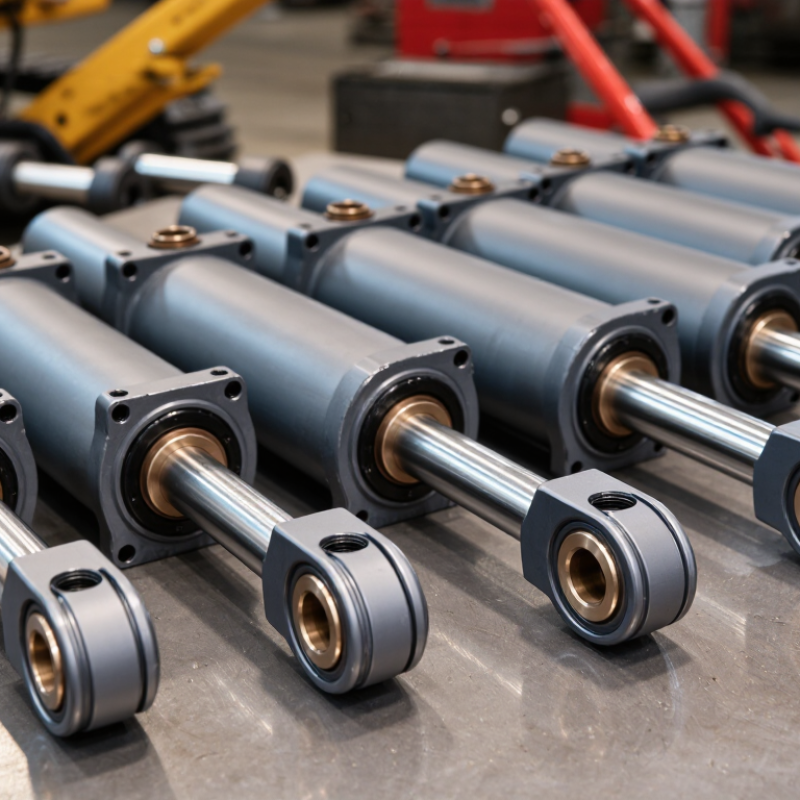
An excavator arm cylinder converts hydraulic pressure into controlled arm movement. It extends the arm, pulls it inward, and holds loads during digging. Inside, a piston travels through a honed steel barrel while seals prevent oil loss. A small leak can quickly become a serious performance problem.
The arm cylinder carries repeated shock loads near trenches, rocks, and uneven ground. According to the 2024 Global Hydraulic Cylinder Market Report by Grand View Research, the market was valued at more than 14 billion dollars in 2023. This growth reflects rising demand for reliable mobile machinery components.
When comparing ten arm-cylinder options, inspect bore diameter, rod diameter, stroke length, rated pressure, and mounting-pin size. Match every measurement to the excavator’s service manual. Guesswork is expensive.
Field experience also shows that seal quality matters more than polished appearance. Check for rod scoring, oil film, uneven pin wear, and slow arm drift after shutdown. The ISO 6020/2 standard provides useful dimensional guidance for hydraulic cylinders, but it does not replace machine-specific testing.
Some operators replace seals too late. Others replace the complete cylinder unnecessarily. I have seen both mistakes increase downtime. A practical choice balances load capacity, corrosion resistance, service access, and verified pressure performance. Age alone is not a failure diagnosis.
Key Specifications for Comparing Excavator Arm Cylinders
10 Best Arm Cylinders for Excavators?
Comparing excavator arm cylinders requires more than matching a model number. Measure the existing cylinder, including bore diameter, rod diameter, stroke, and retracted length. A few millimeters can affect bucket control and attachment clearance. Check both pin diameters and the distance between mounting ears. Those dimensions decide whether installation feels precise or frustrating.
Hydraulic pressure and flow ratings deserve careful attention. The cylinder should match the excavator’s working pressure without operating permanently at its limit. A larger bore can increase pushing force, but it may slow arm movement. Rod thickness also matters when the machine works against heavy soil or uneven loads.
Look for hardened rod surfaces, strong welds, and seals rated for heat, dust, and pressure changes. Seal quality often reveals itself after several muddy shifts.
Ten good choices may have different strengths. One may offer higher breakout force, while another fits better in a crowded boom area. Inspect the cylinder weight, grease passage access, hose port position, and replacement seal availability. Field measurements are more trustworthy than old paperwork. I have seen catalog dimensions differ slightly from worn equipment. It is easy to overlook side loading, too. A cylinder can fit perfectly and still fail early when the linkage is misaligned. Check alignment, pin wear, and hydraulic cleanliness before judging performance. Then compare warranty terms, test documentation, and repair support from a qualified supplier.
Ten Top Arm Cylinder Options for Different Excavator Needs
10 Best Arm Cylinders for Excavators? Ten Top Arm Cylinder Options for Different Excavator Needs
Choosing the best arm cylinder depends on digging force, cycle speed, and working conditions. Grand View Research valued the global excavator market at about $63.6 billion in 2023, with continued growth expected through 2030. That expansion increases demand for dependable hydraulic components. My practical shortlist includes ten options: standard-duty cylinders for general digging, high-pressure cylinders for rock, long-reach units for dredging, compact cylinders for urban machines, reinforced cylinders for demolition, corrosion-resistant cylinders for coastal work, fast-cycle cylinders for loading, heavy-bore cylinders for quarrying, custom-stroke cylinders for unusual attachments, and remanufactured cylinders for controlled budgets.
Cylinder diameter matters. A larger bore can deliver more force, but it may slow movement and increase hydraulic demand. Rod coating, seal quality, mounting-pin alignment, and tested pressure ratings deserve equal attention. The Construction Equipment Association’s 2024 market commentary highlights sustained replacement demand as fleets age. That suggests repairability should influence selection, not just purchase price. Still, field conditions vary. A “best” cylinder on paper can perform poorly when contamination, poor lubrication, or incorrect relief pressure is ignored.
Tips: Measure the old cylinder fully. Record bore, rod diameter, closed length, stroke, pin size, and operating pressure. Inspect oil for metallic particles before installation. Use a pressure test after fitting. One overlooked detail: side loading can bend a new rod quickly. I would also compare warranty terms, seal availability, and local rebuilding skills. The cheapest option is not always economical. Sometimes, it is simply cheaper twice.
10 Best Arm Cylinder Options for Excavators
These representative specifications reflect common arm-cylinder configurations used across excavator operating classes. Larger excavators generally require greater bore diameter, rod diameter, and stroke length to deliver higher breakout force and digging reach.
How to Match an Arm Cylinder to Your Excavator Model
10 Best Arm Cylinders for Excavators?
Matching an arm cylinder to your excavator model requires more than comparing photographs. Confirm the machine’s exact model, serial range, arm configuration, and operating pressure. Then measure the original cylinder’s bore, rod diameter, stroke, closed length, pin diameter, and mounting width. A small error can cause side loading, seal wear, or unsafe movement. Fortune Business Insights valued the global excavator market at about US$63 billion in 2023. That scale shows the demand for reliable hydraulic components, but market size does not prove compatibility.
Use the manufacturer’s parts manual and hydraulic schematic as primary references. Check port position, thread type, relief pressure, rod material, and seal temperature range. ISO 4413 provides hydraulic-system safety guidance, while ISO 6020/2 covers dimensions for several hydraulic cylinders. These standards help, but they do not replace machine-specific measurements. In field repairs, I have seen cylinders with matching pin sizes but incorrect closed lengths. The arm then loses its designed digging angle. That mistake is easy to miss. Record every dimension before ordering, and compare the cylinder’s calculated force with the excavator’s rated hydraulic pressure.
Tips: Photograph both mounting ends. Measure pins with calipers, not a ruler. Check whether the cylinder includes bushings, grease passages, or a load-holding valve. Ask for a dimensional drawing and pressure test record. A reliable supplier should explain deviations clearly. My own cautious preference is to verify twice, because catalog data can contain omissions or outdated revisions.
10 Best Arm Cylinders for Excavators? - How to Match an Arm Cylinder to Your Excavator Model
| Rank | Recommended Arm-Cylinder Configuration | Excavator Operating Class | Typical Machine Weight | Typical Bore Diameter | Typical Rod Diameter | Typical Stroke | Typical Working Pressure | Common Pin Diameter Range | Best-Fit Application | Key Matching Requirements |
| 1 | Compact utility arm cylinder | Micro excavator | 0.8–2.0 t | 50–65 mm | 30–40 mm | 350–500 mm | 210–250 bar | 25–35 mm | Landscaping, trenching and utility work | Confirm boom-to-cylinder clearance, pin spacing and hydraulic hose orientation. |
| 2 | Light-duty short-arm cylinder | Mini excavator | 2.0–3.5 t | 60–75 mm | 35–45 mm | 450–600 mm | 210–250 bar | 30–40 mm | Residential construction and drainage | Match the cylinder retracted length and stroke to prevent bucket-linkage overtravel. |
| 3 | General-purpose mini-excavator cylinder | Mini excavator | 3.5–6.0 t | 70–85 mm | 40–50 mm | 550–700 mm | 230–270 bar | 35–45 mm | General excavation and material handling | Use the original pin-center dimensions and verify rod-end articulation angle. |
| 4 | Medium-duty standard-arm cylinder | Small excavator | 6.0–10 t | 85–105 mm | 50–65 mm | 650–850 mm | 250–300 bar | 45–55 mm | Roadwork, foundations and pipe installation | Check mounting width, pin retention method and the machine's relief-valve setting. |
| 5 | Reinforced standard-arm cylinder | Medium excavator | 10–16 t | 100–125 mm | 60–80 mm | 800–1,000 mm | 280–320 bar | 55–70 mm | Rock excavation, lifting and heavy digging | Choose a rod and eye design rated for the excavator's breakout force and attachment weight. |
| 6 | Heavy-duty arm cylinder | Medium-to-large excavator | 16–22 t | 115–140 mm | 75–95 mm | 950–1,200 mm | 300–350 bar | 65–80 mm | Quarrying, mass excavation and demolition | Verify hydraulic flow, cushioning requirements and structural reinforcement around the cylinder eyes. |
| 7 | High-force long-arm cylinder | Large excavator | 22–30 t | 130–155 mm | 85–105 mm | 1,100–1,400 mm | 320–350 bar | 75–90 mm | Deep excavation and high-capacity bucket work | Match the exact arm geometry because a longer stroke can cause mechanical interference. |
| 8 | High-pressure reinforced cylinder | Large excavator | 30– forty t | 145–175 mm | 95–115 mm | 1,250–1,600 mm | 330–350 bar | 85–105 mm | Heavy rock, demolition and large-scale earthmoving | Confirm the rated pressure of the hydraulic circuit, hoses, seals and attachment. |
| 9 | Extra-heavy arm cylinder | Mining and heavy excavator | 40–60 t | 170–210 mm | 115–145 mm | 1,500–1,900 mm | 330–350 bar | 100–125 mm | Mining, large-scale quarrying and severe-duty loading | Require engineering confirmation of fatigue life, pin loads, cylinder buckling and frame strength. |
| 10 | Custom heavy-duty extended-reach cylinder | Long-reach excavator | 20–50 t | 125–180 mm | 85–125 mm | 1,600–3,000 mm | 280–350 bar | 75–115 mm | Dredging, slope work and deep-reach applications | Prioritize stroke control, rod buckling resistance, cushioning and the complete working envelope. |
Installation, Maintenance, and Service Life Considerations
10 Best Arm Cylinders for Excavators?
Choosing among the 10 best arm cylinders requires more than comparing bore size or price. The cylinder must match the excavator’s operating weight, hydraulic pressure, pin dimensions, and arm geometry. Measure the old cylinder carefully. A small mismatch can create side loading, uneven wear, or poor digging force. Service records are valuable here. Field experience often reveals problems that catalog measurements miss.
Installation begins with a clean work area and proper lifting support. Never rely on hydraulic pressure to hold the arm in place. Inspect pins, bushings, hoses, and mounting brackets before fitting the replacement cylinder. Grease the pins, align the mounts naturally, and avoid forcing them with a hammer. Bleed trapped air through controlled cycling. The arm may move unevenly at first. That is normal, but unusual noise or heat needs immediate inspection.
Maintenance determines service life. Check rod surfaces for scratches, rust, and dried mud after each shift. Inspect seals for leakage, especially around the gland and hose connections. Keep the breathing area clean, because contaminated oil can damage internal components quickly. Use the correct hydraulic fluid and follow the excavator’s filtration schedule. Do not ignore minor leaks. They often become expensive failures.
A practical inspection log helps track drift, cycle speed, and oil loss. Still, no checklist is perfect. Operators may miss gradual wear during busy workdays. For demanding sites, schedule professional pressure testing and alignment checks. Proper storage also matters. Retract the rod when possible and protect exposed surfaces from moisture. Regular care usually costs less than an unexpected cylinder removal.